NXPO, in collaboration with the Climate Technology Centre and Network (CTCN) and the Green Climate Fund (GCF), organized a study visit to Thai Eastern Group Holdings Public Company Limited (TEGH) in Chonburi Province. Led by Dr. Saravanee Singtong, Director of the Sustainability Policy Division at NXPO, the visit brought together executives and representatives from more than 20 countries, including officials from the UN CTCN, the UNFCCC Secretariat, the United Nations Environment Programme (UNEP), as well as National Designated Entities (NDEs) and National Designated Authorities (NDAs). The program provided an opportunity to exchange knowledge on how clean technologies, renewable energy, and sustainable resource management can be integrated into industrial operations to accelerate the low-carbon transition.
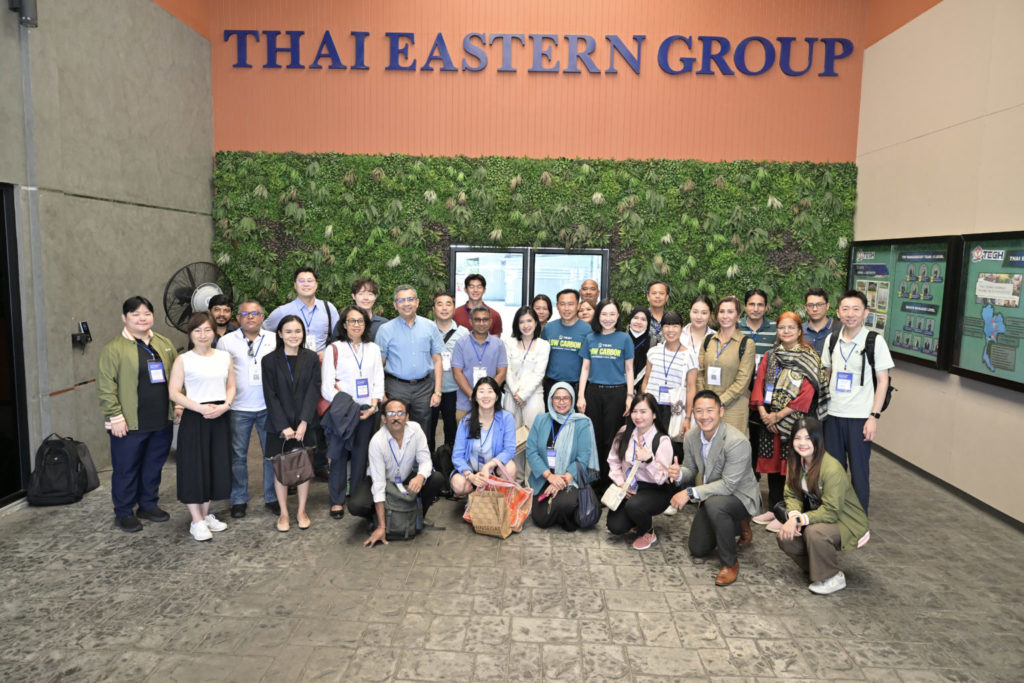
During the visit, TEGH showcased its integrated approach to environmental management, organic waste utilization, biogas production, and renewable energy deployment across its manufacturing facilities. The company also presented its sustainability strategy, which is founded on the Sufficiency Economy Philosophy, the Bio-Circular-Green Economy (BCG) Model, and Nature Positive principles. This business model demonstrates how technology and innovation can simultaneously enhance industrial competitiveness, environmental stewardship, and community well-being. Participants from the UN CTCN and across Asia expressed strong interest in TEGH’s internationally recognized sustainability practices and their potential for replication in other countries.
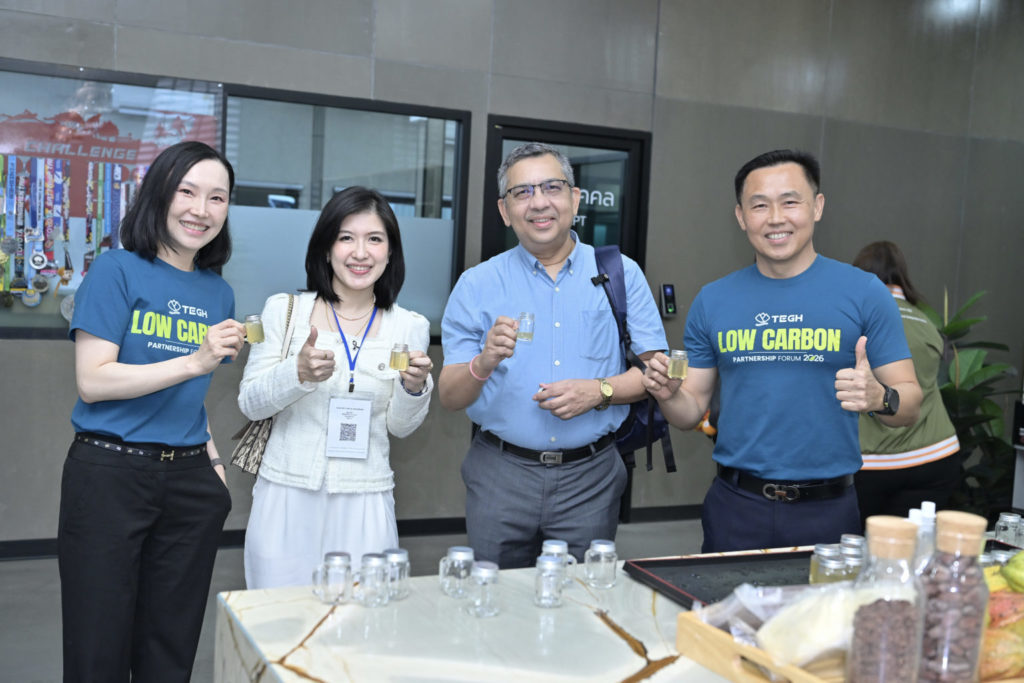
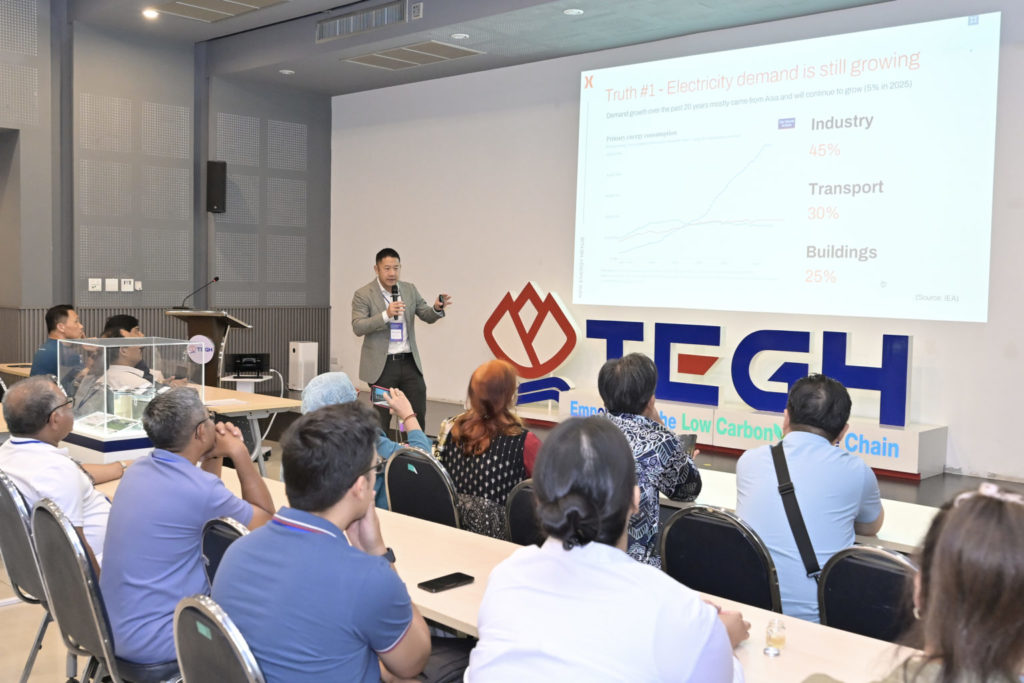
As part of the program, members of the NDE network attended a knowledge-sharing session entitled ” TEGH Presentation: Turning Environmental Challenges into Business Opportunities.” The session illustrated how TEGH has transformed environmental challenges into business opportunities through innovation and sustainable business strategies. It highlighted the important role of Thailand’s private sector in creating economic value while reducing greenhouse gas emissions, strengthening environmental management, and advancing sustainable energy systems. Participants also sampled agricultural products sourced from nearby communities, demonstrating how inclusive business models can generate shared value for both industry and local communities.
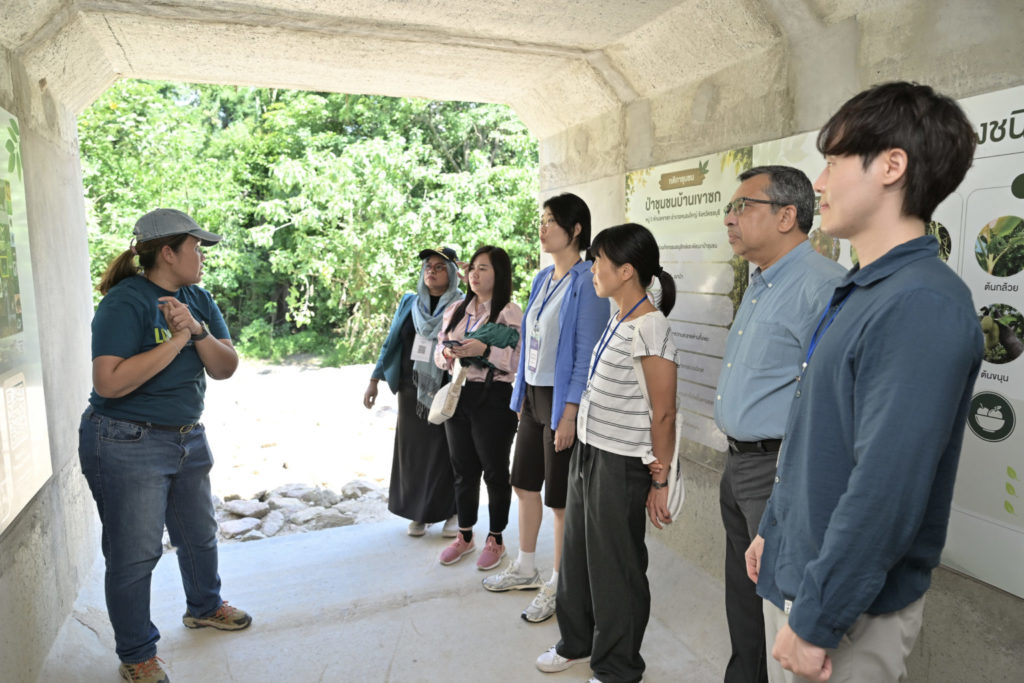
Participants then toured TEGH’s Khaosok Valley Model, recognized as the first Nature Positive Industrial Estate – Circularity Hub in Thailand’s Eastern Economic Corridor (EEC). The site visit featured the company’s low-carbon rubber manufacturing process, organic waste and biogas management systems, renewable energy applications, and integrated low-carbon value chain spanning the entire production process. The visit provided delegates with firsthand insights into the practical implementation of climate technologies at industrial scale and encouraged discussions on how similar solutions could be adapted to support national energy transition strategies in their respective countries.
The study visit underscored the critical role of the private sector in advancing the energy transition through innovative technologies, circular business models, and locally appropriate solutions. TEGH showcase offered valuable lessons on integrating clean energy, resource efficiency, and sustainable industrial development. The visit also strengthened international knowledge exchange and fostered regional collaboration on climate technology deployment, supporting participating countries in accelerating their own transitions toward low-carbon and climate-resilient economies.