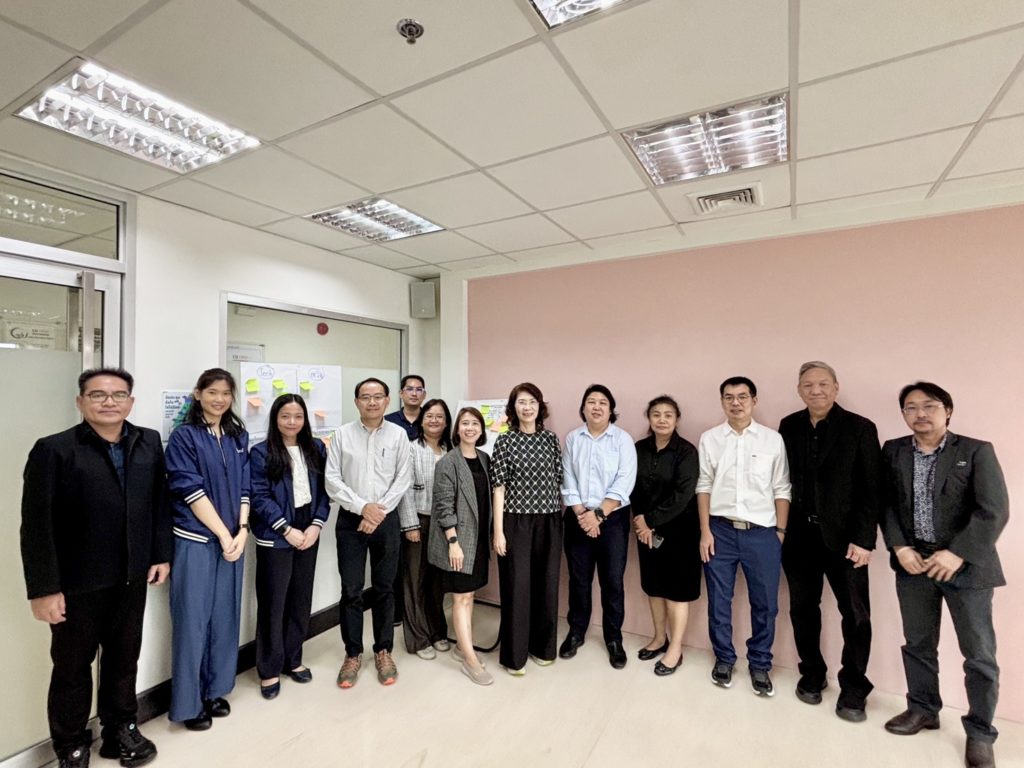
The APEC Center for Technology Foresight (APEC CTF) at NXPO was invited to deliver a special lecture and facilitate a foresight workshop at the “Expert Consultation and Foresight Workshop on Future Pathways for Sustainable Food and High-Moisture Waste Management in Thailand and Southeast Asia.” The workshop aimed to strengthen participants’ understanding and practical application of strategic foresight tools for addressing food waste and high-moisture waste management challenges. The event was organized by the Joint Graduate School of Energy and Environment (JGSEE), King Mongkut’s University of Technology Thonburi (KMUTT), in collaboration with Newcastle University under the research project, “Technology Assessment and Capacity Building for High-Moisture Waste Management in Thailand and Southeast Asia.” The project is supported by the British Council through the International Science Partnerships Fund (ISPF) Research Collaborations Programme. The workshop was held on 8 July 2026 at the Sustainable Environment Research Institute, Chulalongkorn University.
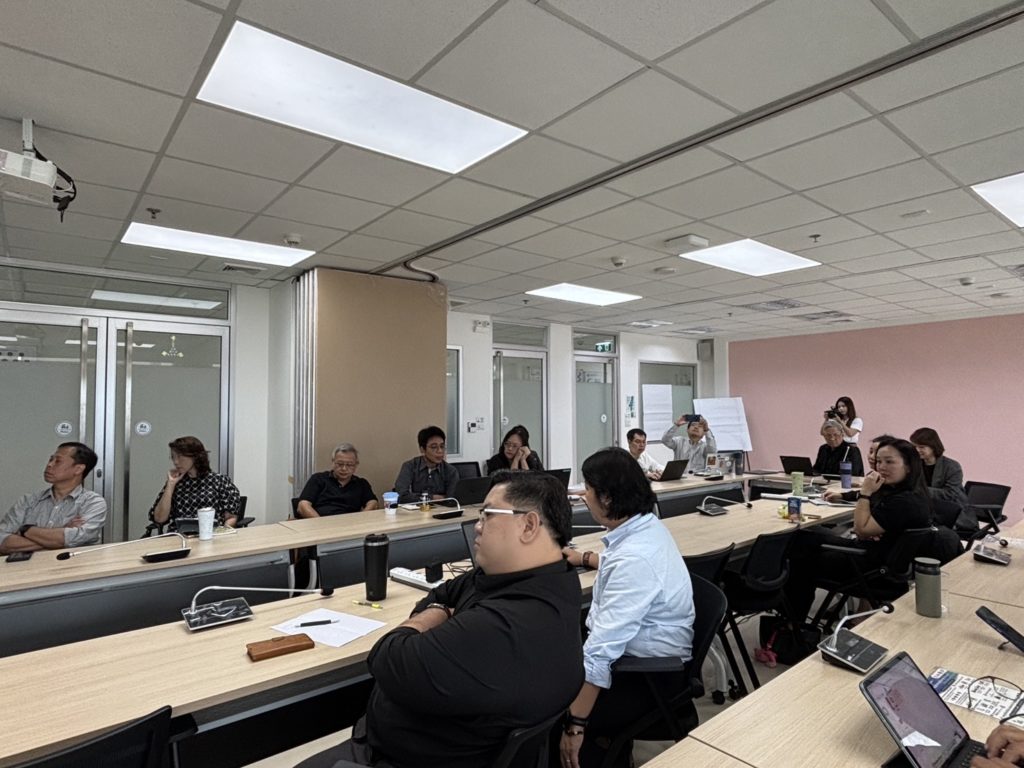
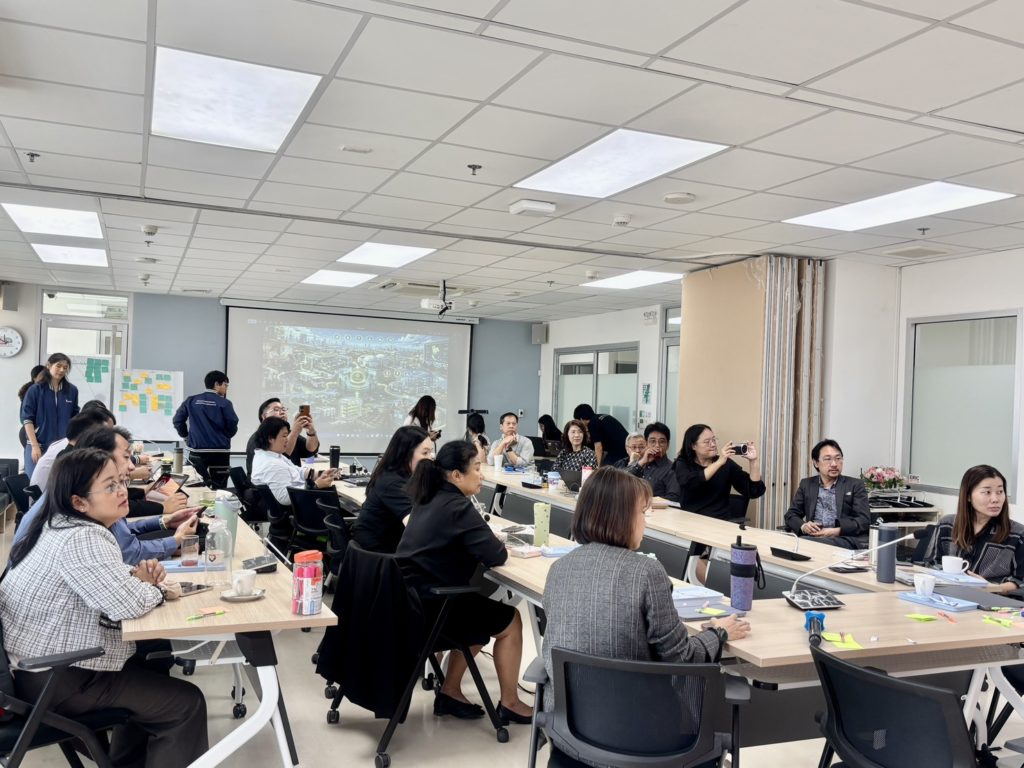
As part of the Thailand–United Kingdom collaborative research project, the workshop was jointly implemented by JGSEE, the Chulalongkorn University, and the Solid Waste Management Association of Thailand (SWAT), bringing together more than 20 experts from government agencies, academia, and industry.
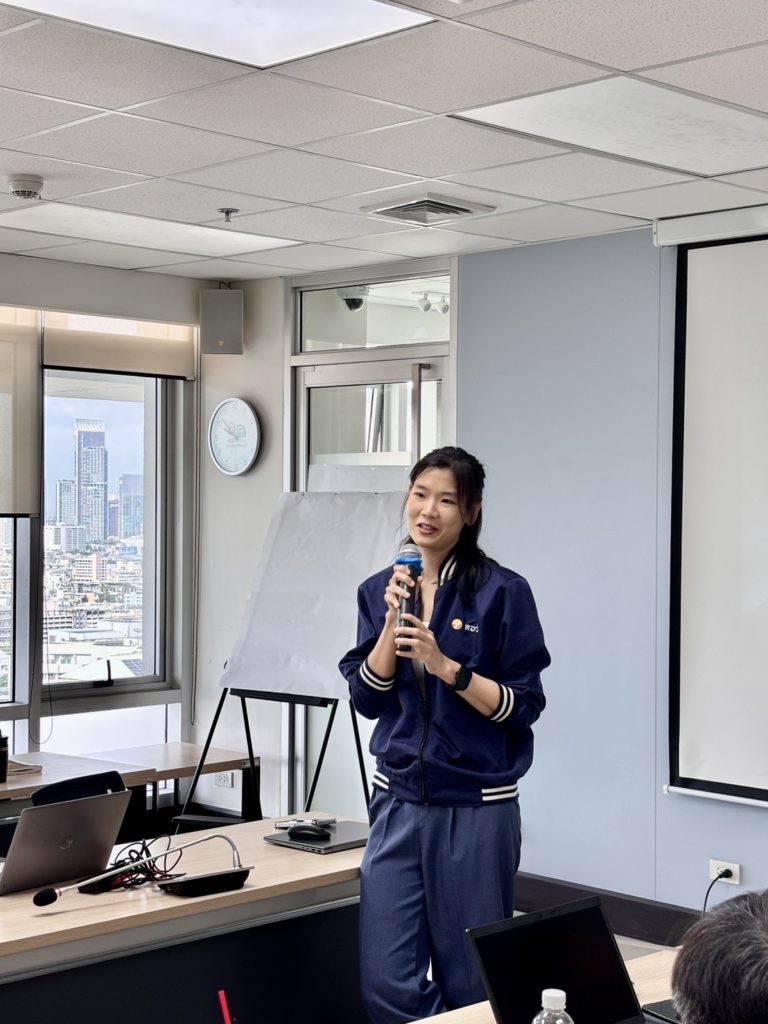
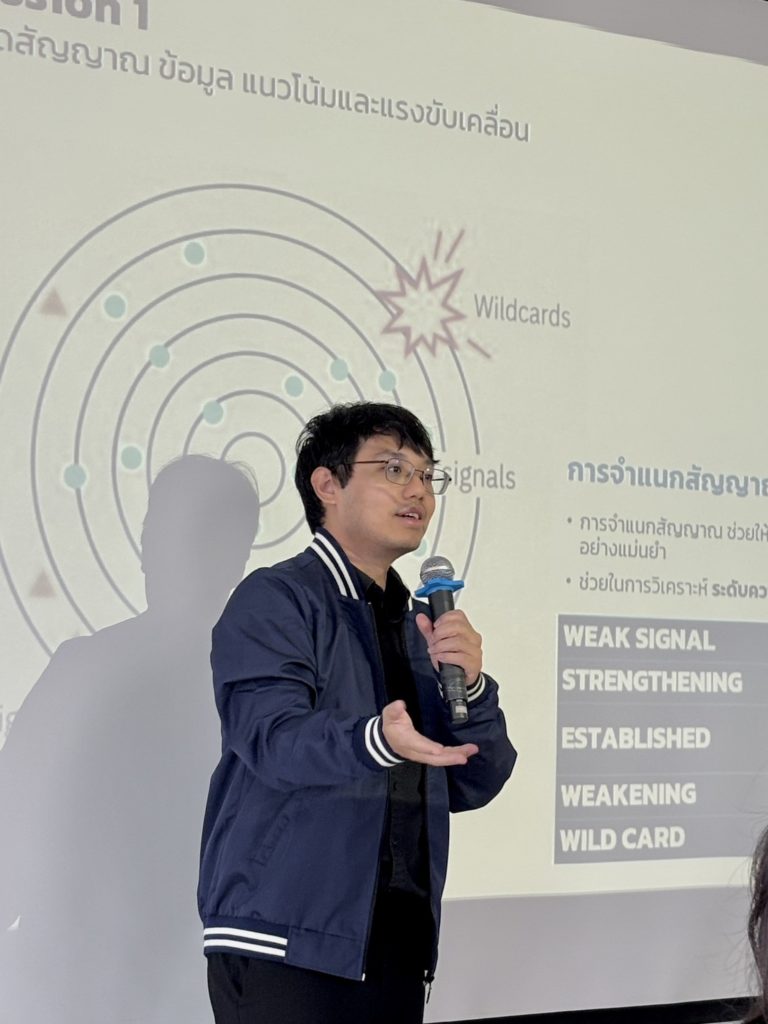
The APEC CTF team, led by Mr. Chatkaphat Bunnag, Policy Developer at NXPO, served as the lead speaker and foresight facilitator. During the workshop, participants applied the Future Triangle framework—which examines the Pull of the Future, Push of the Present, and Weight of History—to analyze Thailand’s food and high-moisture waste (F&HMW) management system. Participants also prioritized technology needs across four key dimensions: technology, research, workforce capabilities, and regulations and policy. The exercises enabled participants to develop a shared vision for a desirable F&HMW management system in Thailand by 2040.
The workshop outcomes will be compiled into a Workshop Summary Report, providing practical guidance for the selection and assessment of high-moisture waste management technologies in Thailand. The findings are also expected to inform future policy recommendations and strengthen regional cooperation on food and high-moisture waste management across Southeast Asia.