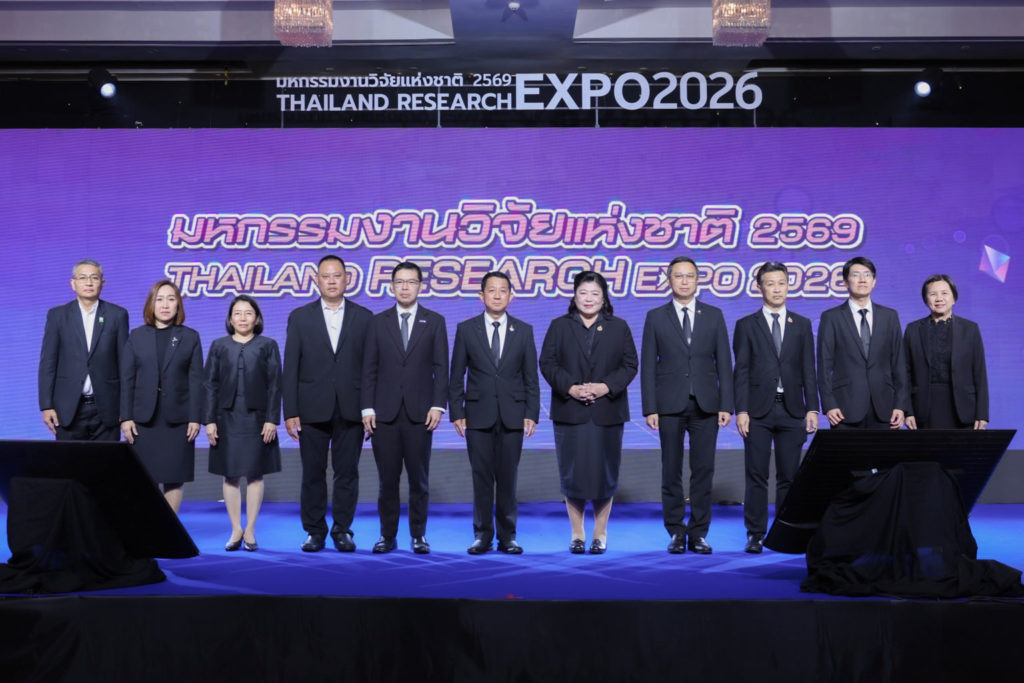
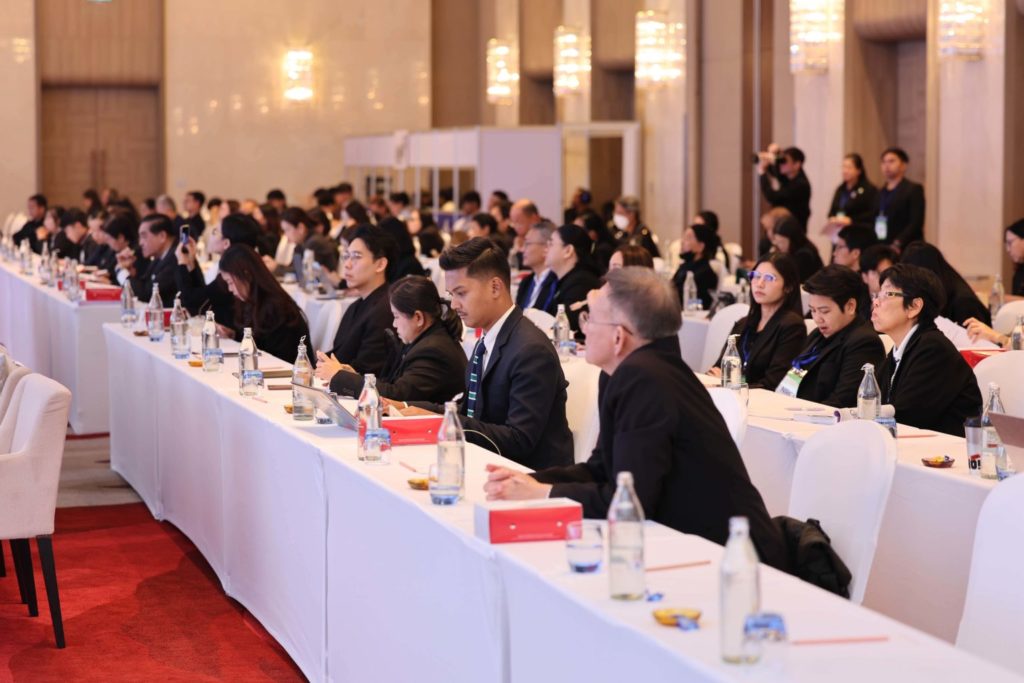
On 23 June 2026, Dr. Surachai Sathitkunarat, President of NXPO, joined the panel discussion “Manpower, New Energy: Empowering People to Drive the Energy Transition” at Thailand Research Expo 2026, organized by the National Research Council of Thailand (NRCT). During the session, he highlighted the importance of higher education, science, research and innovation policy in cultivating the skilled workforce needed to drive Thailand’s evolving energy transition.
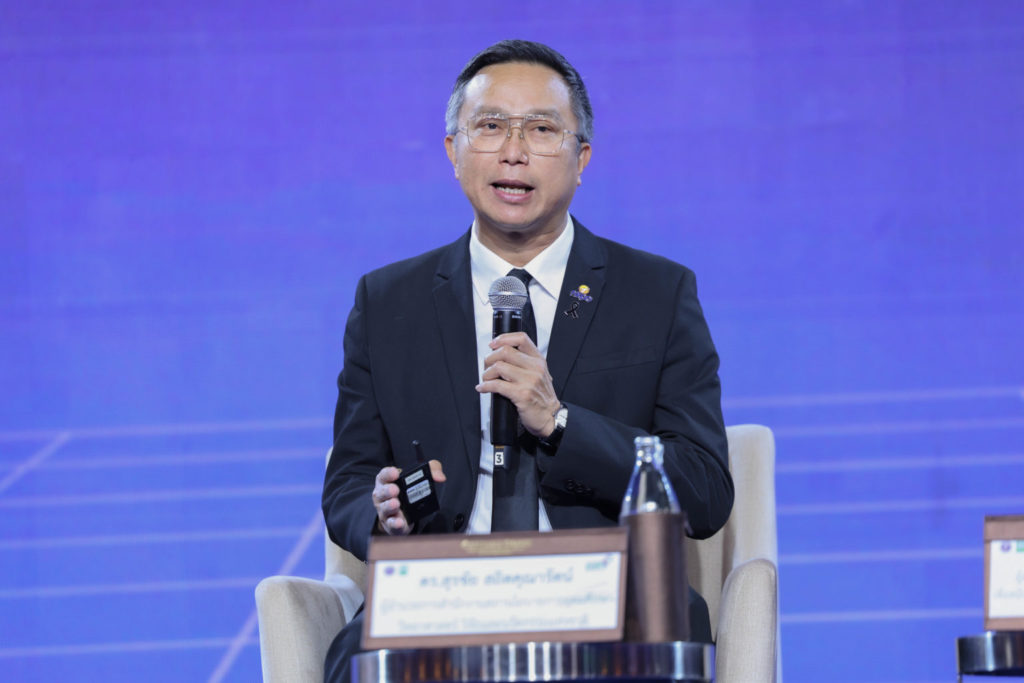
Dr. Surachai noted that energy issues have become increasingly urgent, with Thailand facing multiple pressures driving the need for accelerated energy transition. These include concerns over energy security amid volatile global energy prices, rising production costs, external trade pressures affecting Thai industries, and rapid technological disruption. At the same time, national commitments to carbon neutrality and net-zero greenhouse gas emissions are requiring all sectors to intensify decarbonization efforts. This transition also underscores the need to strengthen human capital in clean energy systems, digital energy technologies, and carbon management.
He explained that the energy transition represents a fundamental transformation of energy production and consumption systems. Globally, it is driven by three interconnected trends: decarbonization through renewable energy adoption, digitalization through the use of AI and IoT-enabled smart grids, and decentralization through distributed energy systems such as rooftop solar. In the ASEAN context, the transition must also be inclusive and just, ensuring that no one is left behind, while addressing the energy trilemma of security, equity, and sustainability. He further highlighted the importance of diversified transition pathways, including transitional fuels such as liquefied natural gas (LNG), alongside carbon capture, utilization and storage (CCUS) technologies and renewable energy deployment.
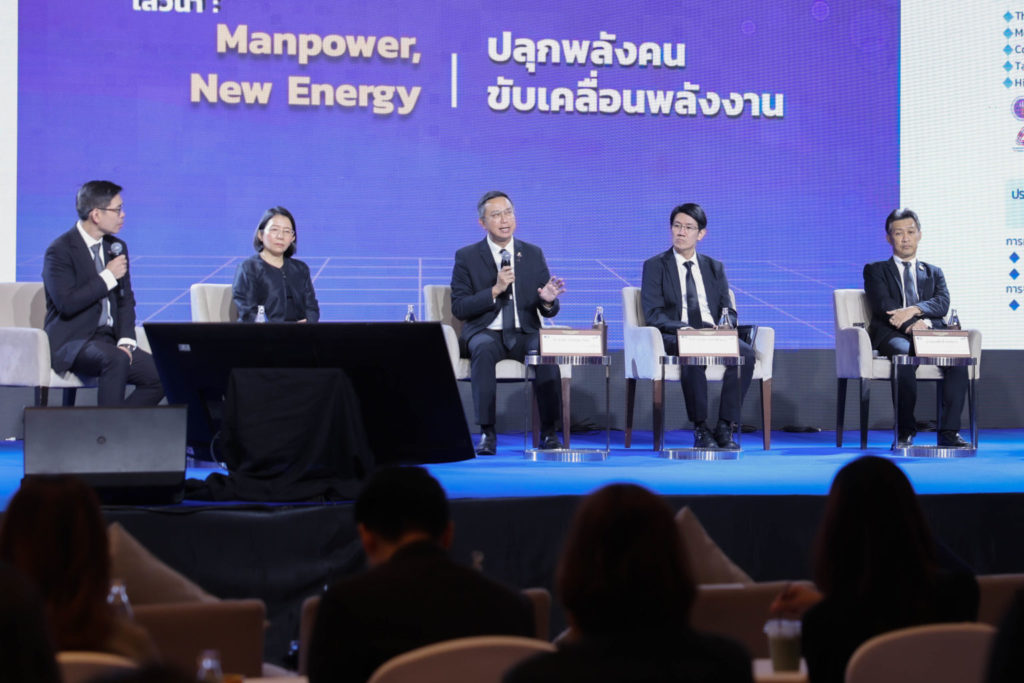
Dr. Surachai emphasized that the Ministry of Higher Education, Science, Research and Innovation (MHESI) plays a central role in integrating science, research and innovation (STI) into Thailand’s energy transition agenda. Key efforts include strengthening collaboration among universities, research institutes, the private sector, and SMEs; enhancing workforce skills; developing safety standards and certification systems; supporting technology testing, demonstration, and deployment; and advancing research in clean energy technologies, as well as energy, carbon, and digital capability development.
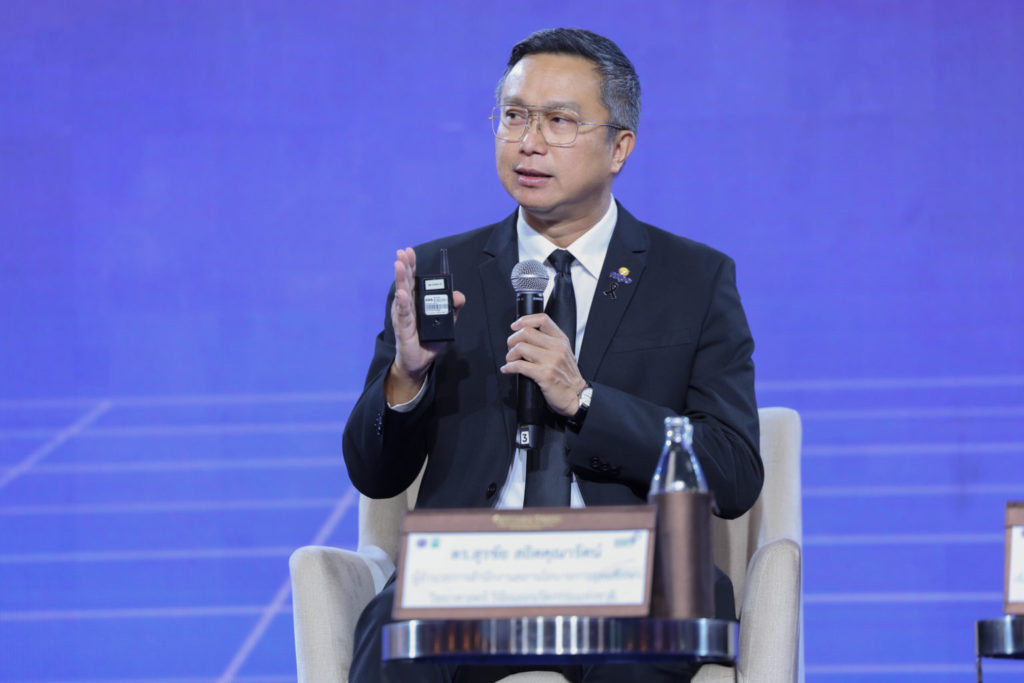
He further linked workforce development to NXPO’s strategic targets for 2023–2027, which aim to support a reduction of 10 million tonnes of carbon dioxide equivalent (CO₂e) emissions and increase the share of highly skilled workers to 25 percent. According to NXPO’s workforce demand analysis for 2025–2029, Thailand will require 1,087,548 workers across key sectors, with significant demand for talent to support environmental and energy-related activities. In addition, projections indicate a need for approximately 235,000–275,000 climate-related professionals by 2030. These roles span areas such as measurement, reporting and verification (MRV) systems and carbon markets, electric vehicle and component manufacturing, renewable energy value chains (biomass and biogas), low-carbon agriculture and food systems, and sustainable tourism.
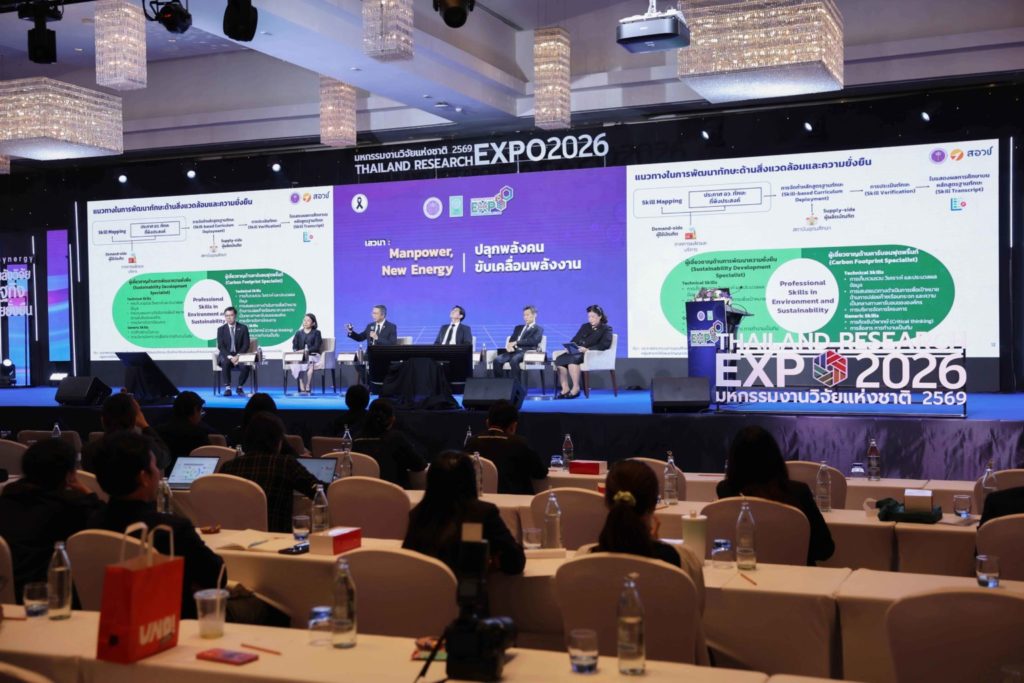
Dr. Surachai also highlighted NXPO’s ongoing efforts to strengthen green skills through multi-sector collaboration. These include joint initiatives with the Thailand Professional Qualification Institute (TPQI) to develop green skills for carbon neutrality and air pollution mitigation, as well as cooperation with the National Science and Technology Development Agency (NSTDA) to help enterprises transition toward Industry 4.0. In addition, MHESI has issued ministerial notifications defining workforce competencies in future food, environmental sustainability, digital technologies, and artificial intelligence. Within the environmental and sustainability domain, two key occupational standards have been developed: Sustainability Development Specialists and Carbon Footprint Specialists. These frameworks guide higher education institutions in aligning curricula with evolving labor market needs and technological trends.
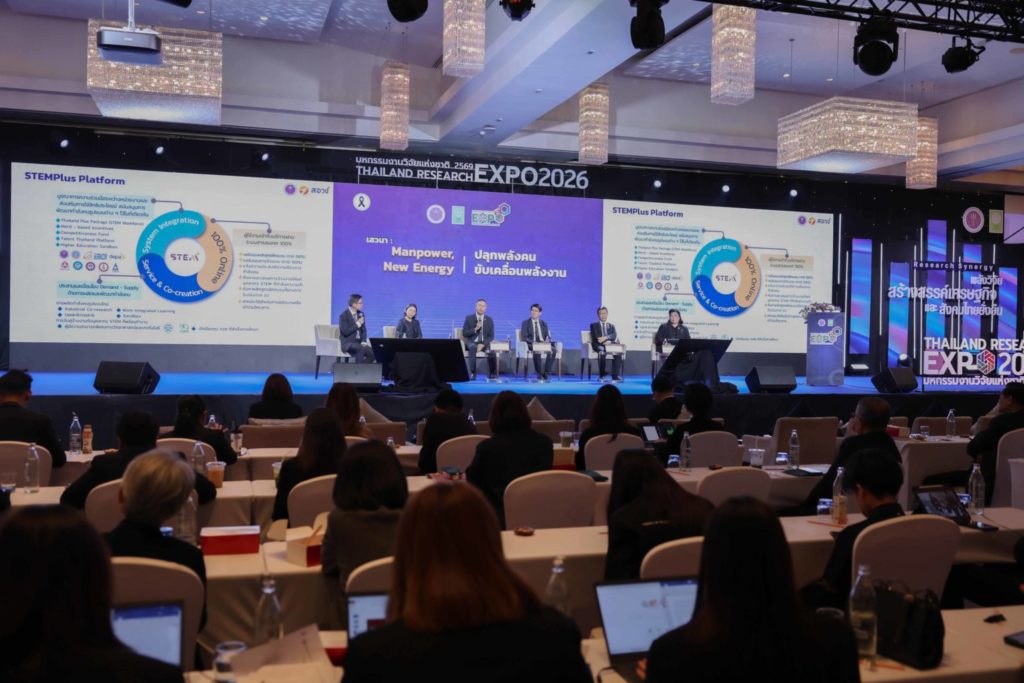
Another key mechanism is the STEMPlus Platform, developed by NXPO to strengthen Thailand’s high-skilled workforce ecosystem. The platform integrates inter-agency collaboration and consolidates workforce development incentives into a single digital system. It supports demand–supply matching for skilled labor, new talent development models, and job matching services through an accessible online interface.
“An important bottleneck remains the inability of universities to produce graduates at the pace required by rapidly evolving labor market demands. Universities must therefore strengthen their responsiveness to real-world needs, while the private sector must take a more active role in co-designing education and workforce development programs to ensure alignment with industry requirements,” Dr. Surachai concluded.