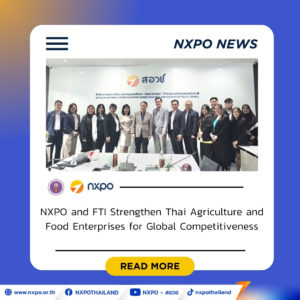
NXPO is advancing Thailand’s transformation into a regional hub for future food and alternative proteins through the project “Accelerating Thailand’s Protein Transition: Advancing Plant-Rich Diets for a Sustainable Future.” The initiative adopts a systems approach that integrates production, marketing, consumption, and enabling ecosystems to drive a transition toward a plant-rich food system in Thailand.
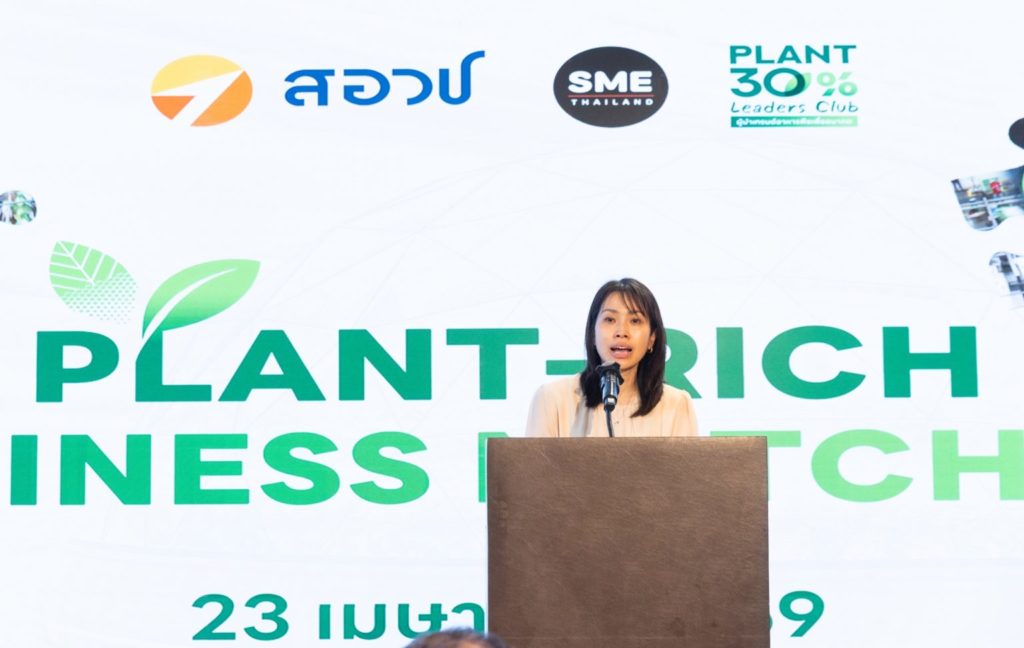
Ms. Sirinya Lim, Senior Director of the Bioeconomy Policy Division at NXPO, stated that the initiative aligns with the Higher Education, Science, Research and Innovation Framework for Biotechnology Industry Development 2026–2035, which aims to transform Thailand into an innovation-based economy and generate more than THB 1 trillion in economic value. Under the framework, future food has been identified as one of the country’s key strategic industries, with targets to increase the value of the future food sector to THB 500 billion and reduce greenhouse gas emissions by 1 million tons of CO₂ equivalent by 2027.
“Thailand possesses strong potential to become a global hub for sustainable protein, supported by its rich biodiversity, abundant agricultural resources, well-established food industry, capable entrepreneurs, and renowned status as the ‘Kitchen of the World.’ Over the years, NXPO has continuously promoted policies related to future food and alternative proteins. However, we have found that focusing solely on supply-side measures or research and development is insufficient to successfully bring innovations to market and secure consumer acceptance. It is therefore essential to complement supply-side efforts with demand-side development,” Ms. Sirinya said.
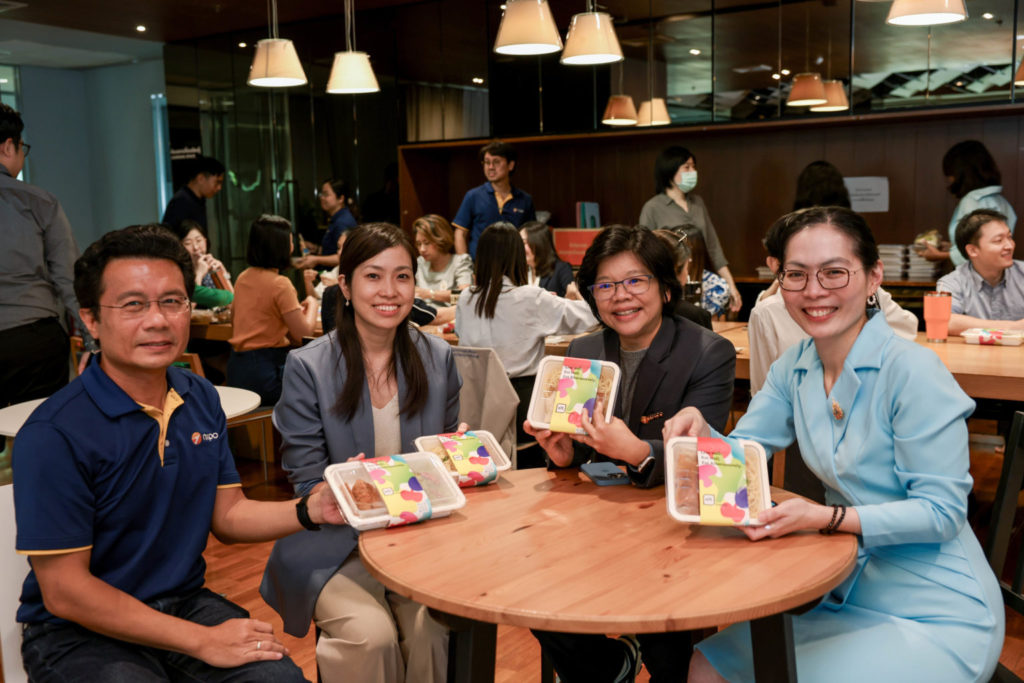
NXPO has begun piloting this transition internally by increasing the proportion of plant-based food served at organizational meetings to at least 30 percent. The initiative has revealed both opportunities and challenges, including issues related to taste, nutritional value, and concerns about ultra-processed foods (UPFs). These findings highlight the importance of building consumer confidence and creating positive experiences alongside efforts to promote new food systems.
Ms. Sirinya further noted that, on the supply side, NXPO has incorporated the concept of protein diversification into Thailand’s future food and sustainable agriculture agenda under the biotechnology industry development framework approved by the National Policy Council on 1 December 2025. The objective is to position the issue as a priority under the Science, Research and Innovation Fund and stimulate research and development investments across the entire alternative protein value chain, from raw material production and protein extraction to product development.
NXPO has also collaborated with the Good Food Institute (GFI) to develop strategic directions for research and workforce development in the alternative protein industry, building on Thailand’s existing strengths. Key proposals include establishing national research databases and infrastructure, such as a Plant Protein Library, a Local Microbial Library, and an Indigenous Cell Line Library. The initiative further promotes the establishment of research consortia that connect universities, research institutes, government agencies, and industry partners to accelerate the commercialization of research outcomes.
Regarding workforce development, Thailand still faces shortages in specialized skills essential for scaling the industry. These include bioprocess engineering, bioreactor operation, precision fermentation, extrusion technology, rheology, flavor development, sensory science, as well as expertise in food regulations and safety. To address these gaps, Thailand needs to accelerate targeted reskilling and upskilling programs, attract international experts, and develop industry-led curricula through mechanisms such as sandbox and joint-degree programs. These efforts will help build a highly skilled workforce capable of supporting the long-term growth of the alternative protein industry.
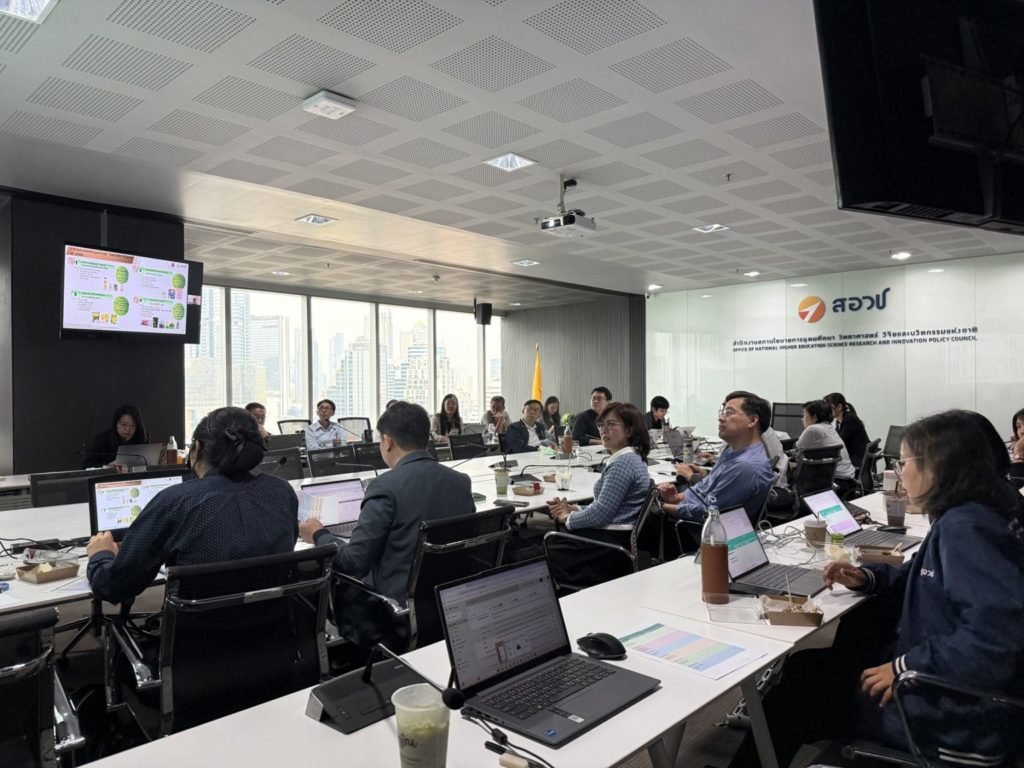
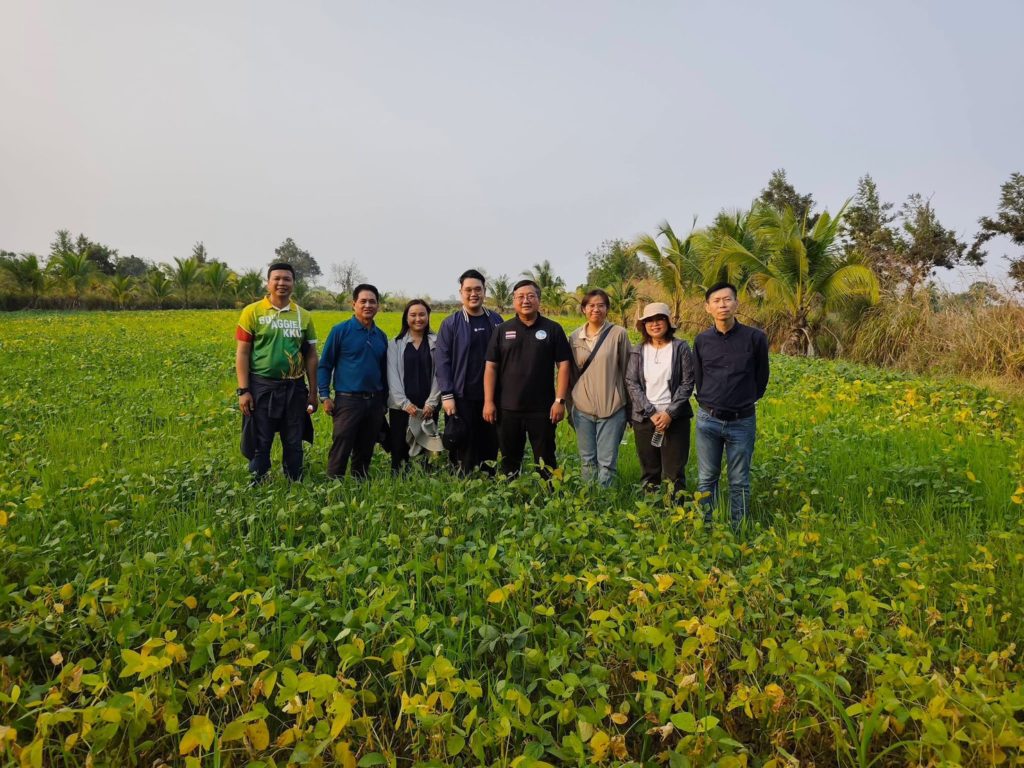
In addition to advancing research policy, NXPO has been working upstream in collaboration with the Thai Chamber of Commerce and its partner organizations to drive the “Soybean Declaration” initiative. The initiative aims to increase domestic soybean production to 100,000 tons annually through the expansion of cultivation areas, improved yields, and the development of high-quality seed varieties. Pilot activities have been launched in Chiang Mai, Khon Kaen, and Kamphaeng Phet. Soybeans are recognized as a high-quality protein crop and are expected to become a key raw material for Thailand’s plant-based protein industry, which currently relies heavily on imports. This collaboration therefore represents an important step toward strengthening the country’s security and self-sufficiency in alternative protein resources.
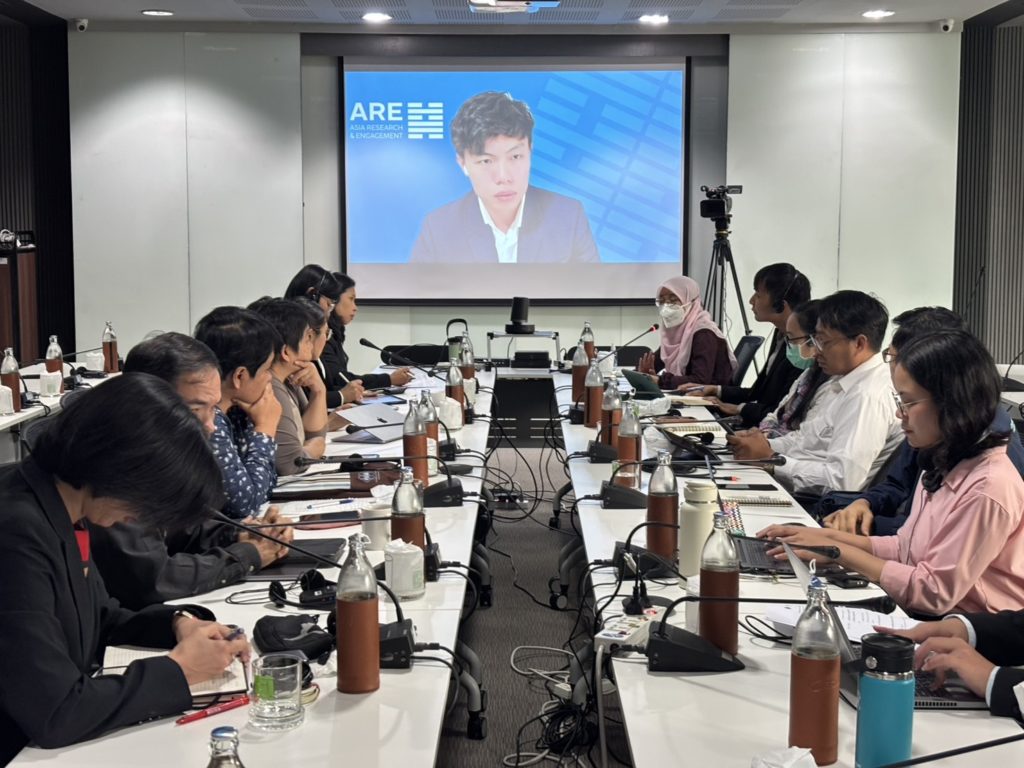
To support producers, NXPO has partnered with Tailored Food and Food Innopolis to assess the challenges, barriers, and needs of plant-based protein enterprises. The findings will serve as a foundation for establishing the Thailand Plant-Based Coalition, envisioned as a one-stop platform providing both technological and market support services while strengthening the competitiveness of Thailand’s plant-based protein industry.
“NXPO recognizes that technology and innovation alone cannot transform the food system if there is no market demand and consumers do not have access to products. Demand creation extends beyond end consumers to include distributors, retailers, hotels, restaurants, food service businesses, universities, and organizations with significant food procurement capacity. These stakeholders play a critical role in determining the extent to which consumers can access plant-rich food options,” Ms. Sirinya explained.
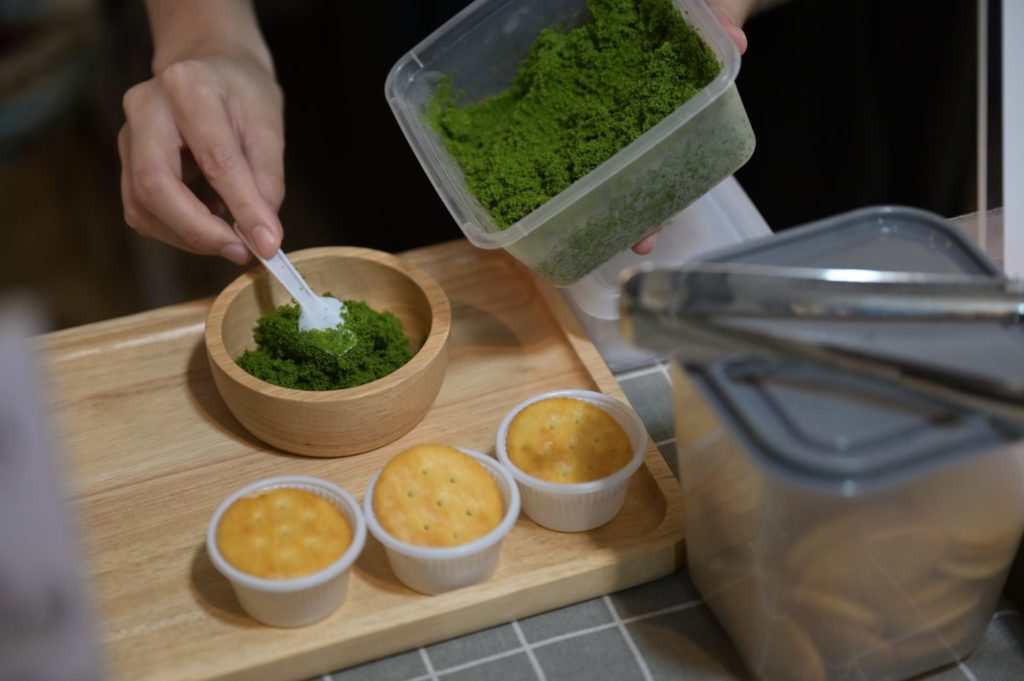
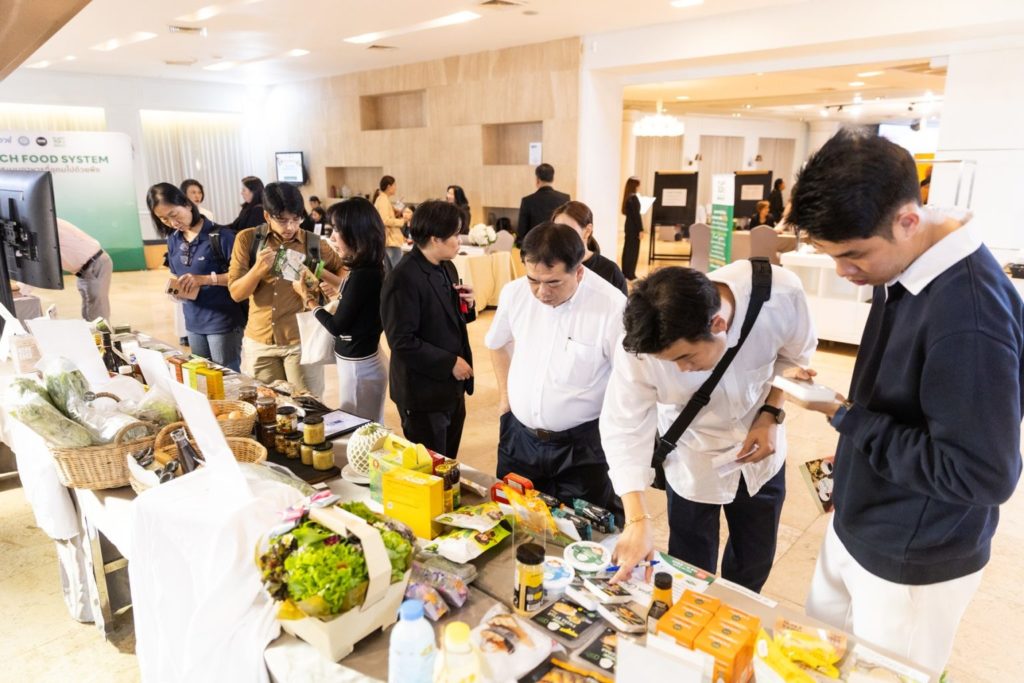
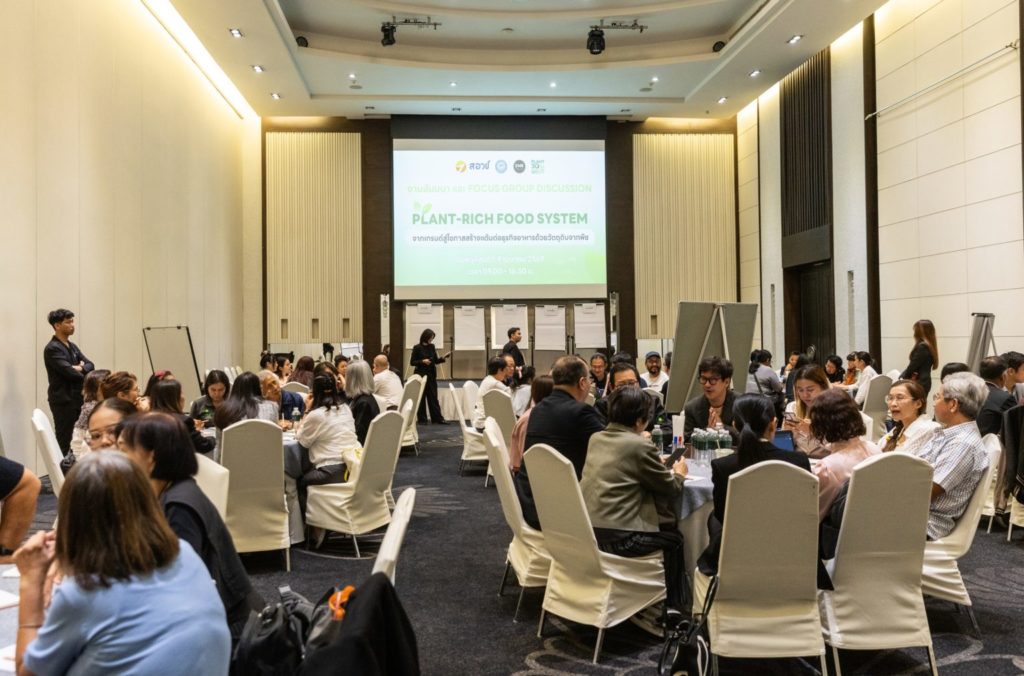
To address this challenge, NXPO has initiated a range of activities, including market demand assessments, stakeholder dialogue platforms, buyer–seller database development, and business matching events. These initiatives are designed to strengthen linkages among actors across the food value chain and create opportunities for producers of plant-based ingredients and products to connect directly with food businesses, distributors, and food service providers. Such connections are expected to generate new business opportunities and support market expansion.
Ms. Sirinya also highlighted the establishment of the “Plant 30% Leaders Club,” which encourages government agencies, private companies, and educational institutions to increase the proportion of plant-based food offerings to at least 30 percent through menus, catering services, food provision systems, and retail outlets. The objective is to make plant-rich food choices more accessible in everyday life. At the same time, NXPO has been fostering an enabling ecosystem that supports a practical and sustainable transition through knowledge generation, workforce development, public communication, and policy advocacy.
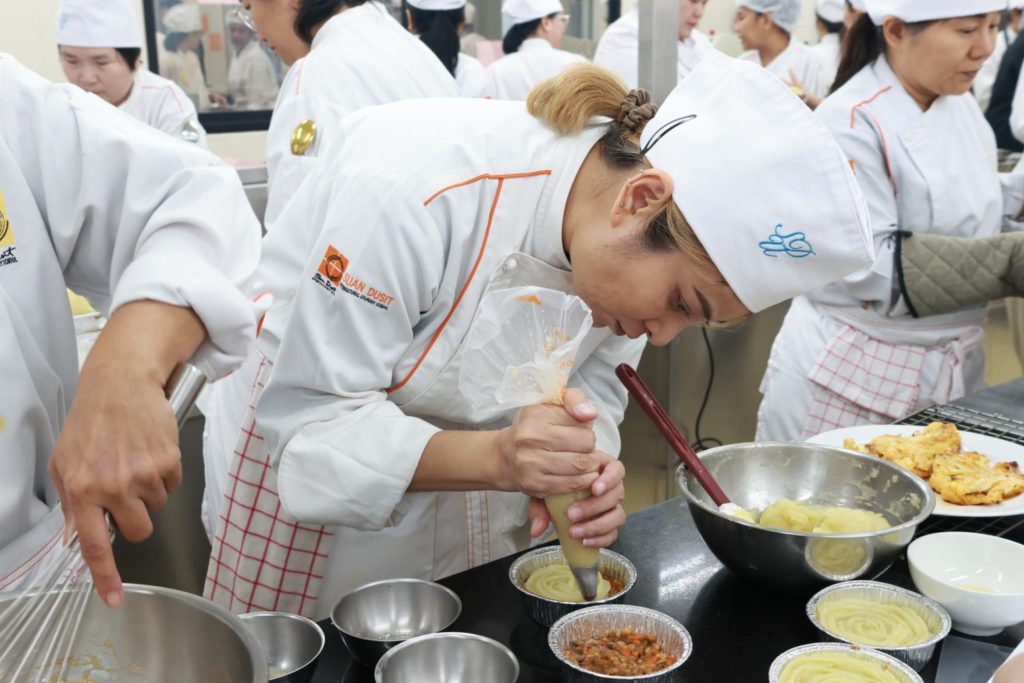
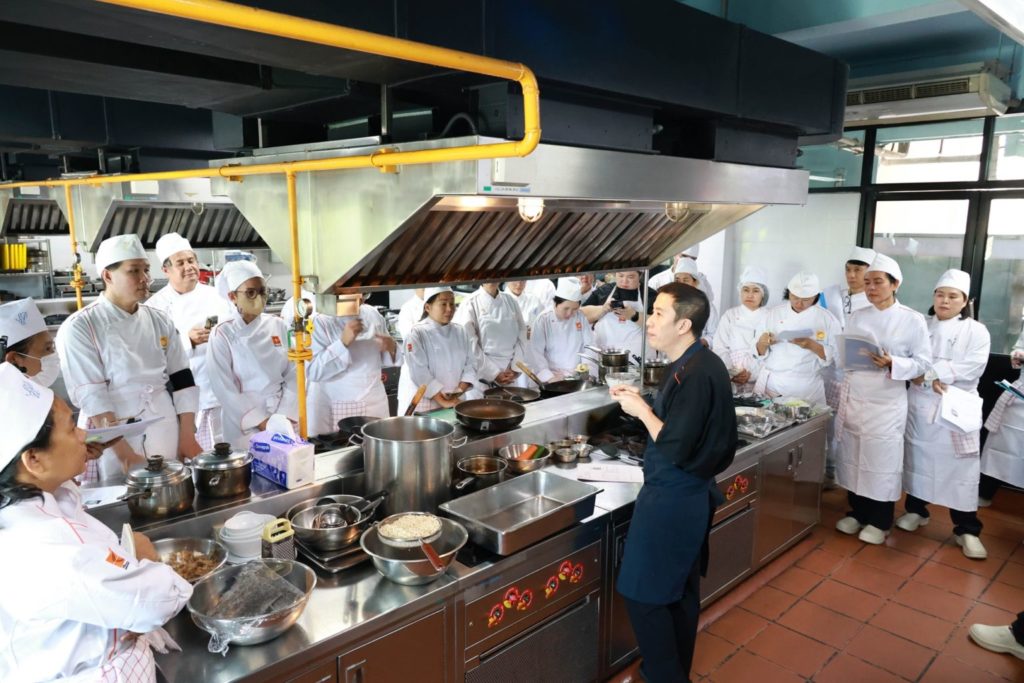
“One successful initiative is the development of a Train-the-Trainer Program on Plant-Rich Diets in collaboration with Suan Dusit University. The program aims to cultivate a new generation of chefs, nutritionists, entrepreneurs, and food communicators who can design plant-based menus that are nutritious, delicious, and aligned with sustainability goals. In addition, plant-rich diet concepts have been integrated into higher education curricula, including the Green Solutions for Future Living Program at Mahidol University and the Plant-Based Product Development Using Local Ingredients Program at Chiang Mai University,” Ms. Sirinya said.
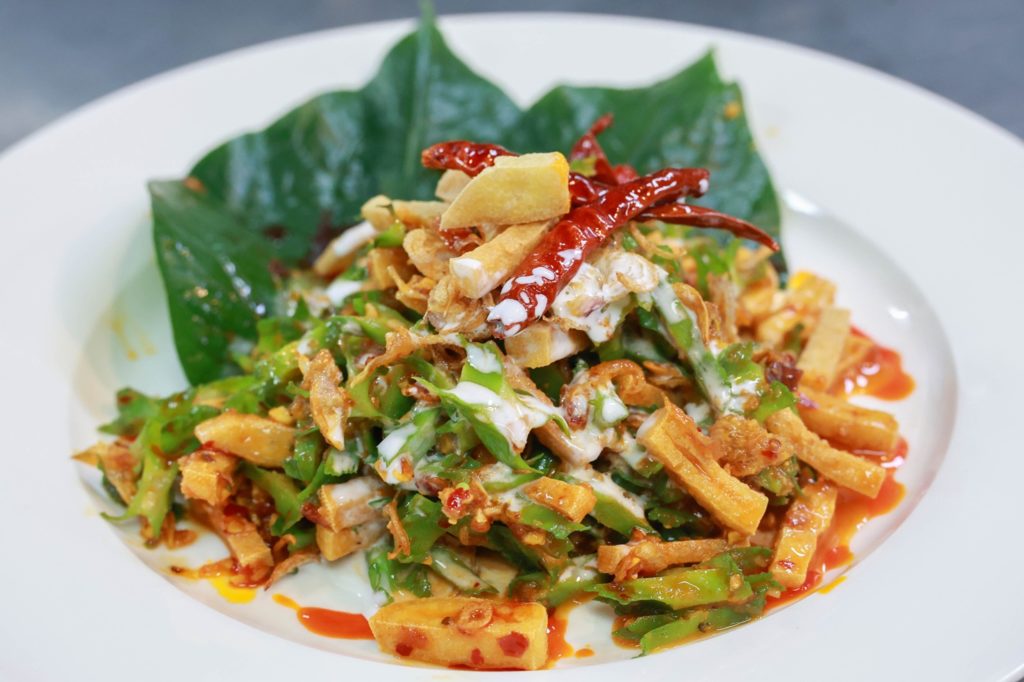

On the policy front, Ms. Sirinya emphasized that NXPO has been working closely with relevant government agencies to promote plant-rich diets as part of Thailand’s national agenda, linking the issue to public health, food security, innovation-driven economic development, sustainable tourism, and the country’s net-zero commitments.
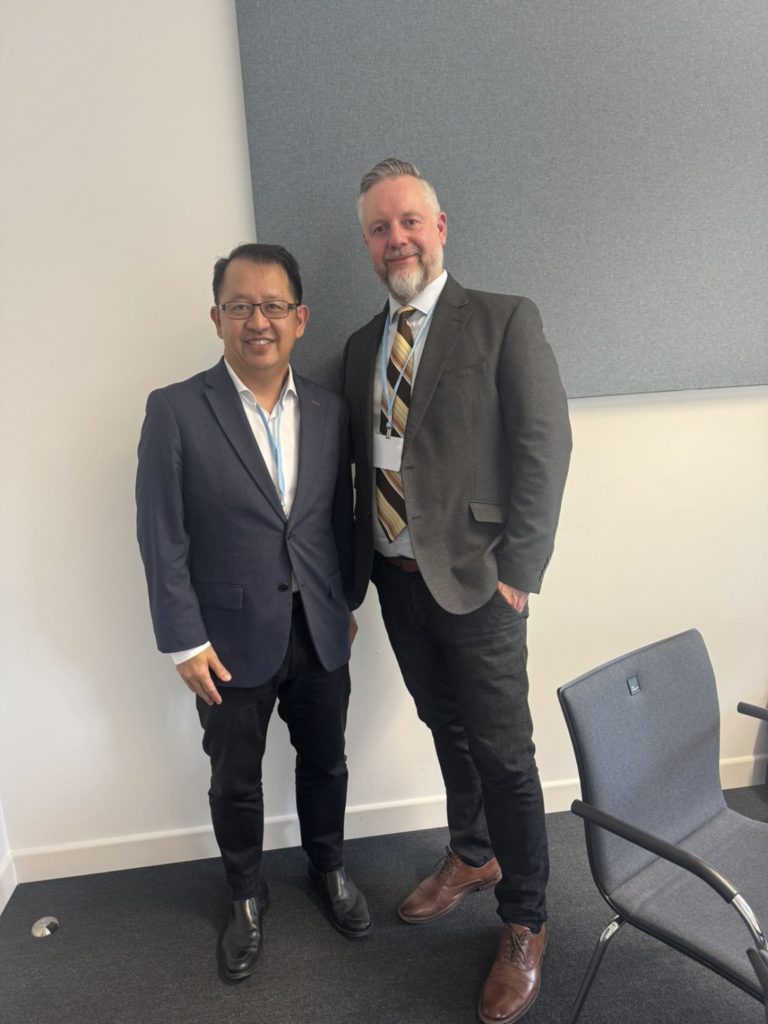
At the international level, Assoc. Prof. Wongkot Wongsapai, Vice President of NXPO, participated in the Country Roundtable on Protein Diversification: Coalition Building Strategy Session during the 64th Session of the Subsidiary Bodies of the United Nations Framework Convention on Climate Change (UNFCCC), held in Bonn, Germany, on 9 June 2026. The meeting focused on developing strategies and building international alliances to promote protein diversification and elevate the issue within global climate negotiations. One key objective is to encourage the inclusion of alternative protein consumption as a recognized pathway for national greenhouse gas reduction efforts.
The promotion of plant-rich diets, therefore, is not merely about encouraging plant-based food consumption; it represents a broader transformation of the entire food system, requiring collaboration among government agencies, policymakers, academia, businesses, entrepreneurs, and consumers.
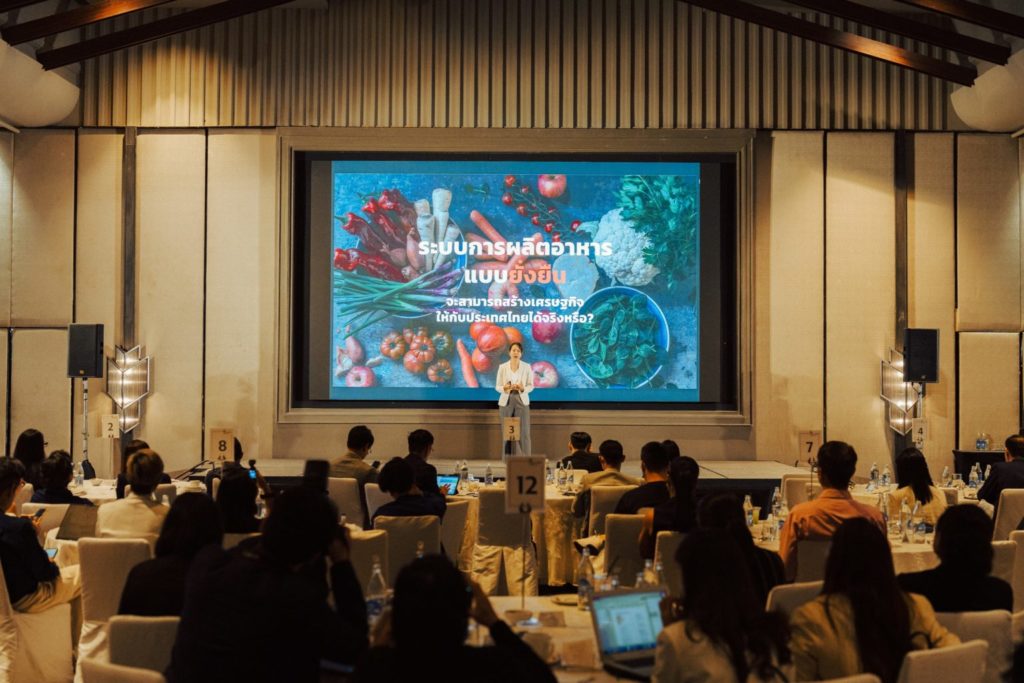
“The transition of the food system cannot be achieved without a comprehensive and systemic approach. NXPO therefore places great importance on its role as a system integrator for Thailand’s plant-rich diet ecosystem. Our work connects and strengthens the supply side—from raw materials, research, and food innovation—to the demand side, including markets, buyers, distributors, and consumers. At the same time, we support the enabling ecosystem through policy development, curriculum design, workforce development, knowledge generation, and public communication. Through these integrated efforts, we aim to help Thailand transition toward a food system that promotes health, supports environmental sustainability, creates new economic value, and enhances the country’s long-term competitiveness on the global stage,” Ms. Sirinya concluded.