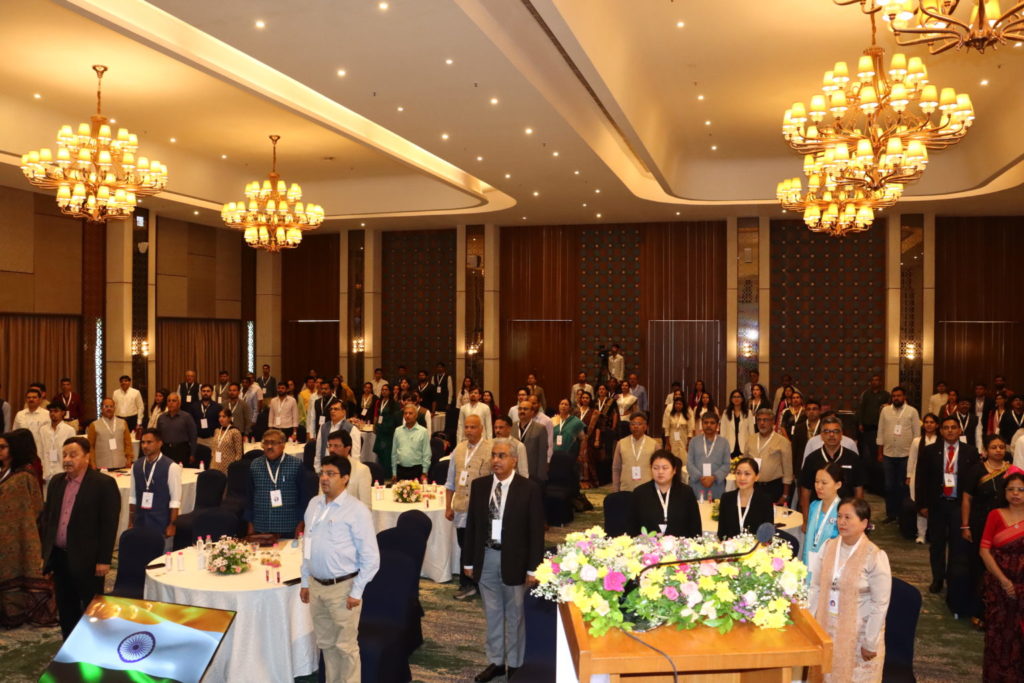
NXPO, as part of the Thai delegation, participated in the International Conference on Strengthening BIMSTEC’s Role in Connectivity, Culture and Cooperation held on 6–7 June 2026 in Ahmedabad, Gujarat, India. Organized by Dr. Babasaheb Ambedkar Open University (BAOU) in collaboration with the Ministry of External Affairs, Government of India, and the BIMSTEC Secretariat, the conference served as a platform for exchanging knowledge, experiences, best practices, and policy recommendations on connectivity, economic and trade cooperation, education, human resource development, tourism, and culture.
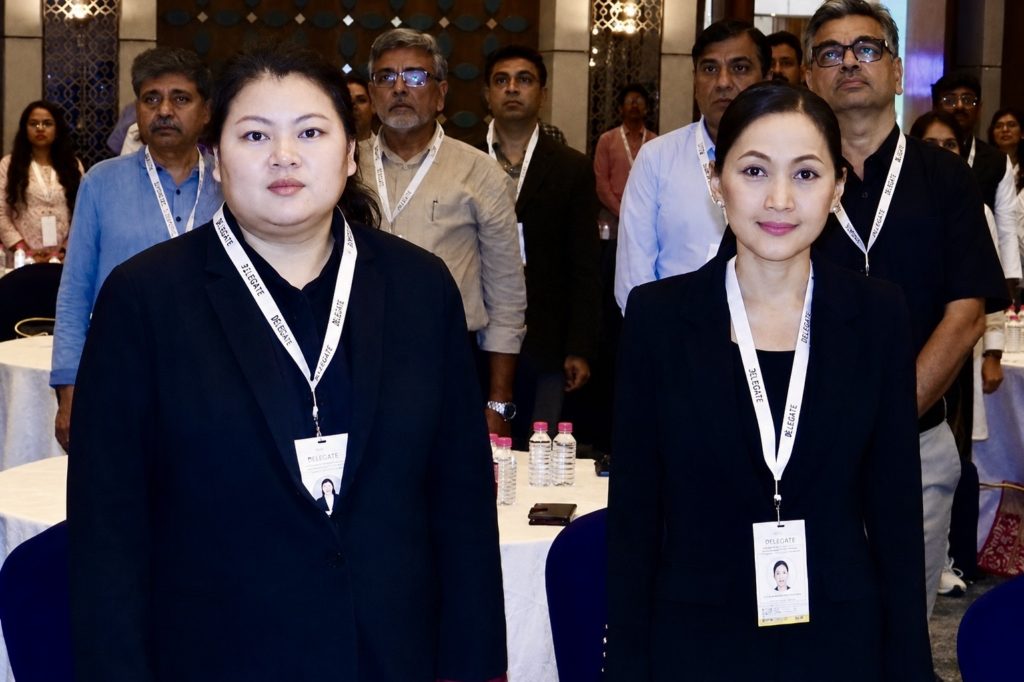
At the conference, Dr. Soontharee Namliwal, Senior Policy Specialist at NXPO, represented Thailand in the plenary session on “Skill Development and Employability in BIMSTEC Region” under the theme “Education, Human Development and Future Workforce,” whereas Ms. Kamolthip Yoojaroensuk, Plan and Policy Analyst, Senior Professional level at the Office of Transport and Traffic Policy and Planning (OTP), Ministry of Transport joined the plenary session on “Enhancing Multimodal Transport Connectivity across BIMSTEC Nations” under the theme “Connectivity for Regional Integration.”
During the session, Dr. Soontharee shared Thailand’s vision, policies, and best practices for workforce development in response to the rapidly evolving future of work. She outlined Thailand’s higher education, science, research and innovation system and highlighted the role of NXPO and related agencies in shaping policy directions and fostering collaboration among stakeholders to strengthen advanced workforce development and enhance national competitiveness.
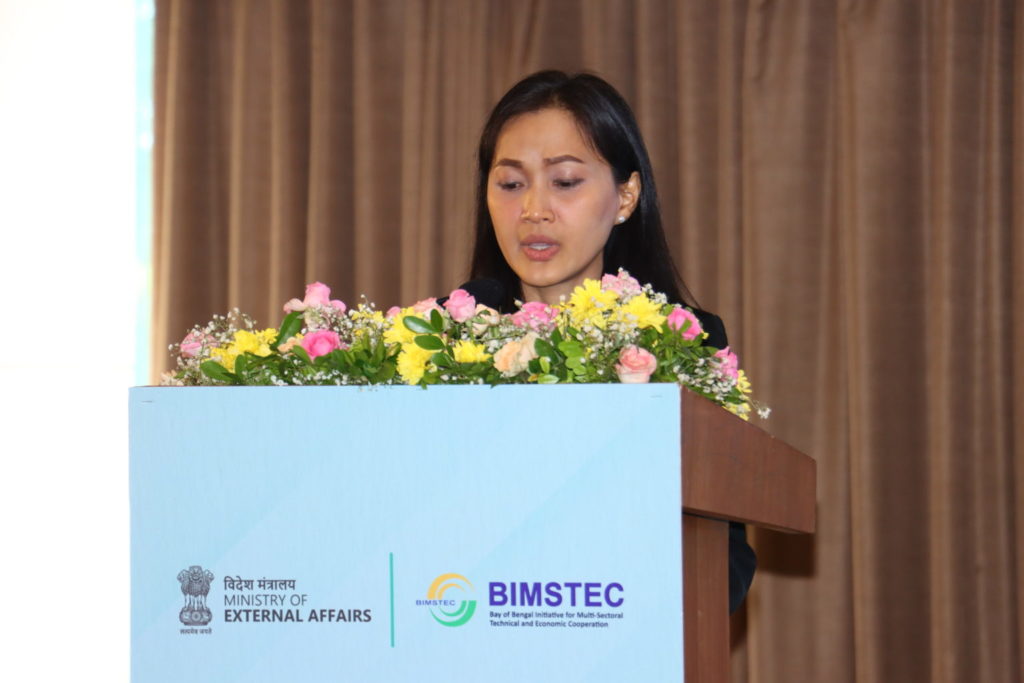
Dr. Soontharee emphasized that skill development and employability are not solely educational issues but systemic challenges that require coordinated efforts among educational institutions, research organizations, industries, government agencies, and the private sector. Such collaboration is essential to ensure that workforce development remains aligned with the changing needs of the economy and society. Against the backdrop of rapid advances in digital technologies, artificial intelligence (AI), data analytics, automation, advanced computing, the green transition, climate adaptation, and demographic change, she identified three key priorities for strengthening future workforce competitiveness including 1) developing future-oriented skills; 2) strengthening linkages between education and industry needs; and 3) promoting lifelong learning.
She also highlighted several key policies and mechanisms that Thailand has implemented to strengthen advanced workforce capabilities, including Work-Integrated Learning (WIL), the Higher Education Sandbox initiative, and the National Credit Bank system. In addition, she showcased STEMPlus, a national platform that serves as a central hub connecting government agencies, educational institutions, industries, and learners to support high-skilled workforce development, training opportunities, job matching, and systematic stakeholder engagement.
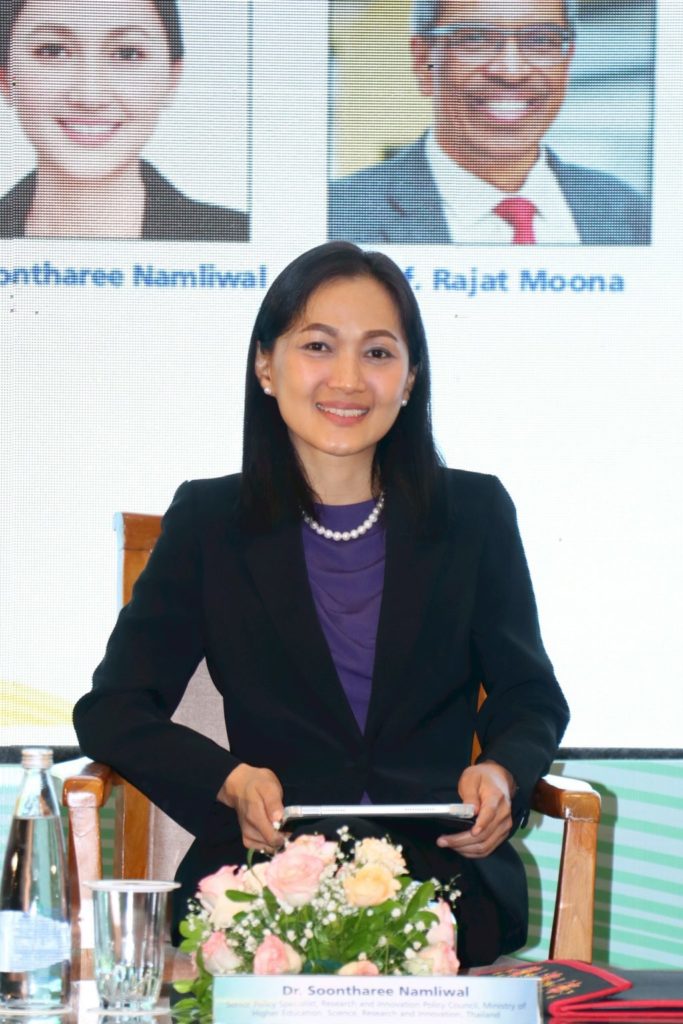
In the concluding discussion, Dr. Soontharee noted that skills gaps, shortages of highly skilled professionals, and labor market transformation are common challenges across BIMSTEC Member States. She underscored the importance of strengthening regional cooperation through knowledge exchange and collaborative human capital development initiatives to prepare the workforce of the future. She further emphasized that lifelong learning should be promoted not only in traditional industries that continue to hold economic, social, and cultural significance, but also in emerging high-value industries that can enhance national and regional competitiveness while contributing to sustainable development.
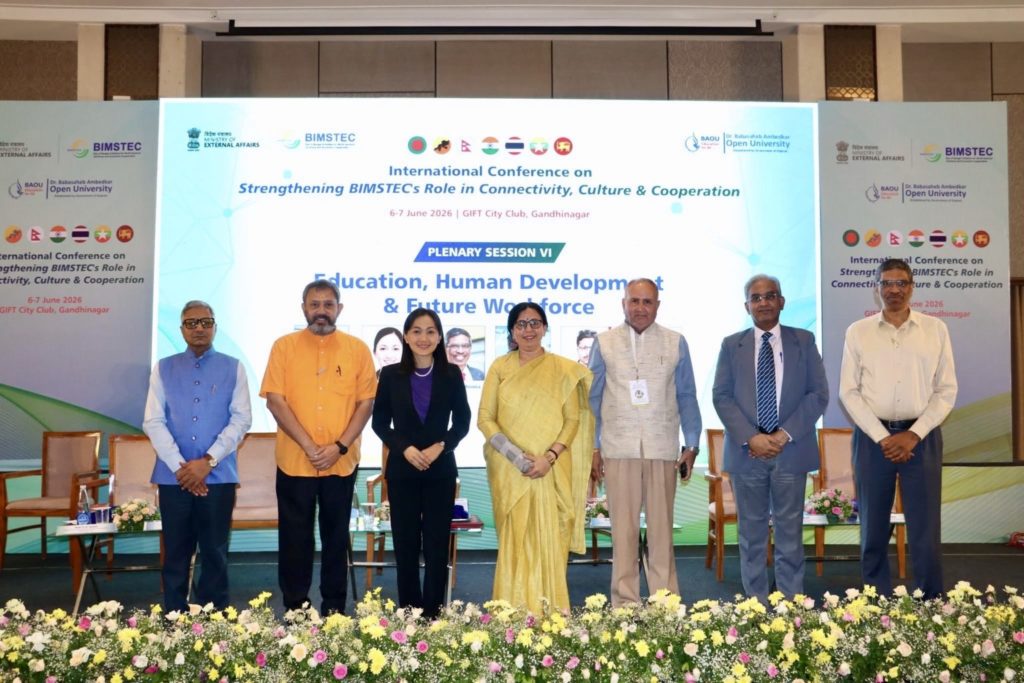
Thailand’s participation in the conference reaffirmed its constructive role in advancing regional agendas on human resource development, higher education, science, research, and innovation. It also demonstrates the country’s commitment to strengthening cooperation under the BIMSTEC framework to enhance human capital and regional competitiveness. The conference was held as part of BIMSTEC Day 2026, BIMSTEC Year 2026-2027 and BIMSTEC 30th Anniversary celebrations marking the period from 6 June 2026 to 6 June 2027 and featuring a series of special events and activities throughout the year. Established through the Bangkok Declaration on 6 June 1997, the Bay of Bengal Initiative for Multi-Sectoral Technical and Economic Cooperation (BIMSTEC) comprises seven Member States, namely Bangladesh, Bhutan, India, Myanmar, Nepal, Sri Lanka and Thailand. The BIMSTEC cooperation is focused on seven sectors, namely 1) Trade, Investment, and Development; 2) Environment and Climate Change; 3) Security; 4) Agriculture and Food Security; 5) People-to-People Contact; 6) Science, Technology, and Innovation; and 7) Connectivity.