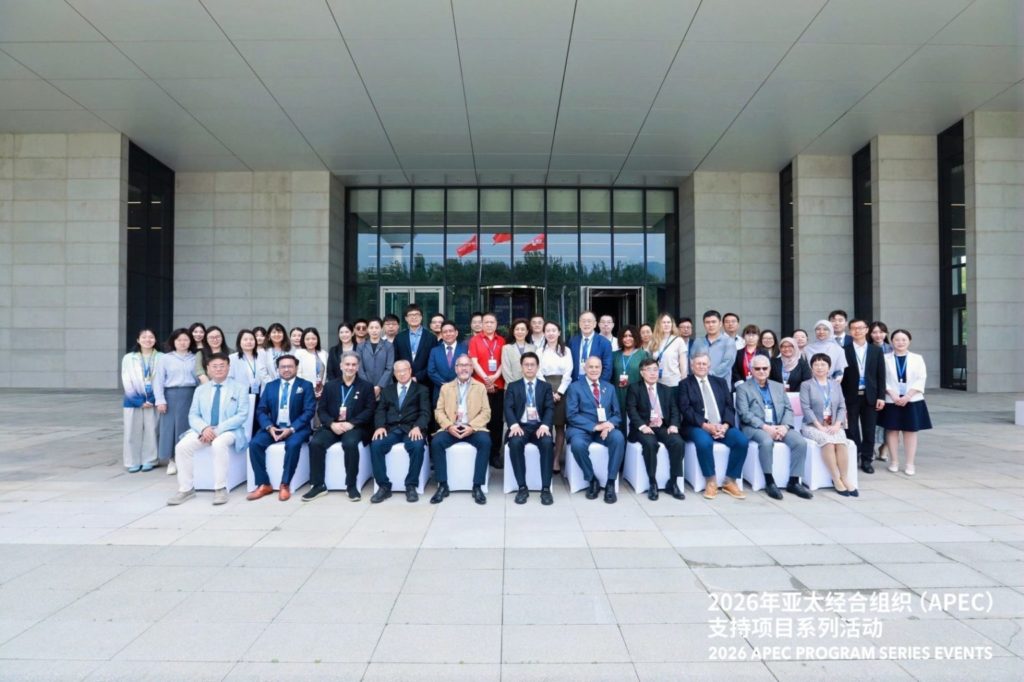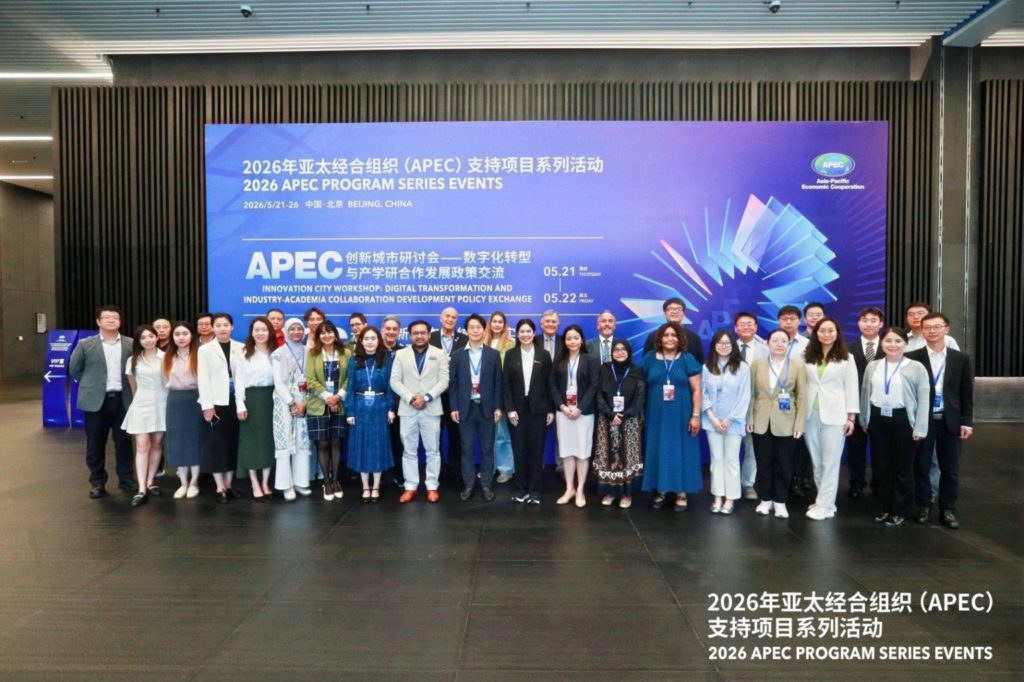
The APEC Center for Technology Foresight (APEC CTF), hosted by NXPO, participated in the 2026 APEC Program Series Events held in Beijing, China, from 21–26 May 2026. The events served as a platform for exchanging experiences and policy approaches on innovation city development, digital transformation, and open innovation ecosystems across the Asia-Pacific region. The program comprised two key events: the APEC Innovation City Workshop: Digital Transformation and Industry-Academia Collaboration Development Policy Exchange (21–22 May 2026) and the APEC Voluntary Contribution Platform for the Best Practices in Open Innovation Ecosystem (24–26 May 2026).
The meetings brought together representatives from 14 APEC member economies—Australia, Indonesia, Japan, the Republic of Korea, Malaysia, the Philippines, Singapore, Thailand, the United States, China, Mexico, Papua New Guinea, Peru, and Russia. Participants also included representatives from government agencies, universities, science, technology and innovation organizations, the private sector, and institutions engaged in strengthening innovation ecosystems throughout the region.
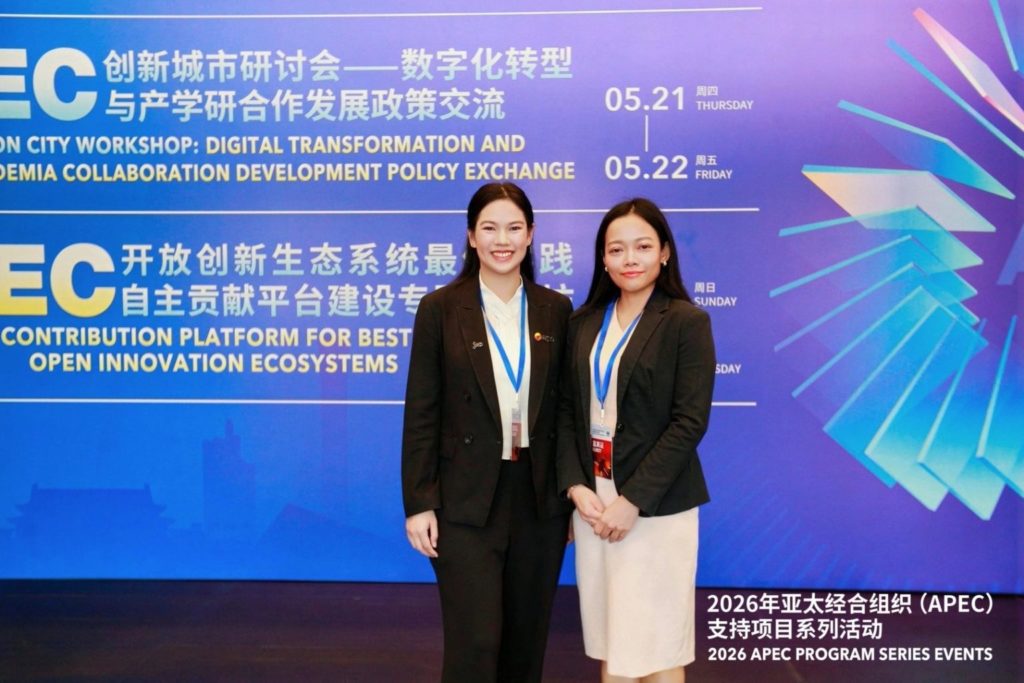
At the APEC Innovation City Workshop, Dr. Natthamon Suwannaprom, Policy Developer at NXPO, delivered a presentation entitled “Thailand’s Innovation City Policy System.” The presentation highlighted Thailand’s policy framework and mechanisms for advancing innovation cities through the development of innovation districts, regional science parks, and the application of foresight to support long-term policy planning and regional collaboration among APEC economies.

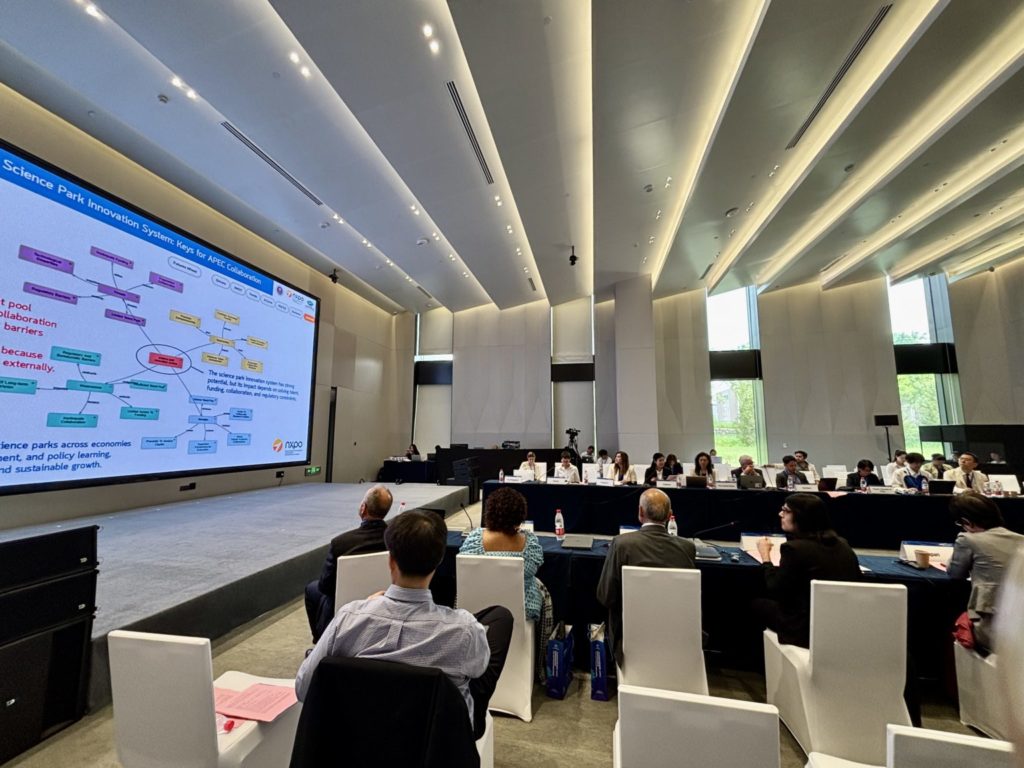
Dr. Natthamon emphasized the importance of foresight as a strategic tool for innovation city development. She noted that innovation cities must be designed not only to address current challenges but also to anticipate emerging technologies, future industries, and long-term uncertainties. She identified four key drivers shaping the future of innovation cities: (1) digital transformation and artificial intelligence, which are rapidly reshaping innovation systems and urban competitiveness; (2) climate and resource pressures, including climate risks, decarbonization requirements, and constraints on energy, water, and land resources; (3) demographic and workforce transitions, particularly population aging and evolving skill demands; and (4) the restructuring of industrial value chains and supply chains amid changing geopolitical dynamics. She further underscored the importance of integrating foresight with APEC cooperation mechanisms to strengthen linkages among innovation cities across member economies. Such collaboration can facilitate the exchange of talent, technology, investment, and policy experiences, helping to strengthen regional innovation systems and promote sustainable growth throughout the Asia-Pacific region.

At the APEC Voluntary Contribution Platform for the Best Practices in Open Innovation Ecosystem, Ms. Jirapan Christian Linares, Policy Developer at NXPO, delivered a presentation entitled “Open Innovation Needs a Home: Thailand’s Regional Ecosystem Experience and Implications for APEC.” Her presentation showcased Thailand’s approach to developing regional innovation ecosystems through collaboration among government agencies, universities, industry, and local communities. The approach aims to foster scalable innovations that effectively address area-based development needs.
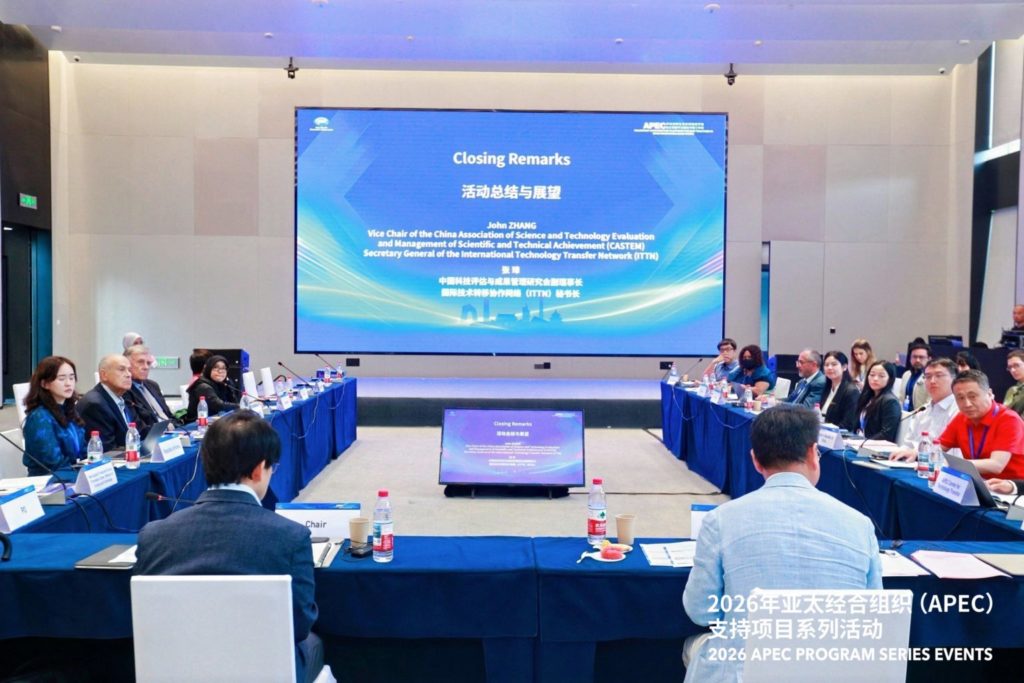
Ms. Jirapan proposed three key areas for cooperation under the APEC framework: (1) the development of a shared and inclusive definition of an open innovation ecosystem to facilitate innovation scaling and long-term, systematic collaboration; (2) the promotion of cross-border connectivity to strengthen regional innovation cooperation through mechanisms such as researcher mobility programs, shared testbeds, and SME matchmaking among member economies; and (3) the use of foresight as a common tool for policy design, open innovation ecosystems preparedness, and responses to emerging technologies, systemic challenges, and long-term change. She emphasized that foresight should not be viewed merely as a tool for anticipating the future, but as a practical instrument for shaping strategic directions and fostering collaboration among member economies. This perspective aligns closely with the role of APEC CTF in advancing foresight capacity and promoting cooperation in science, technology, and innovation across the APEC region.
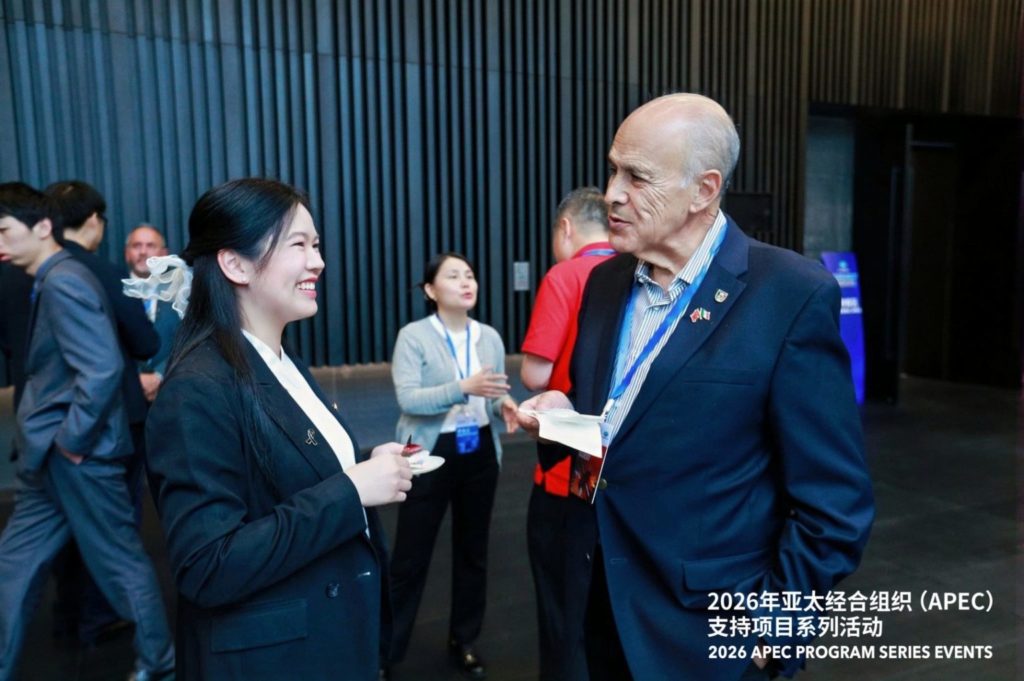
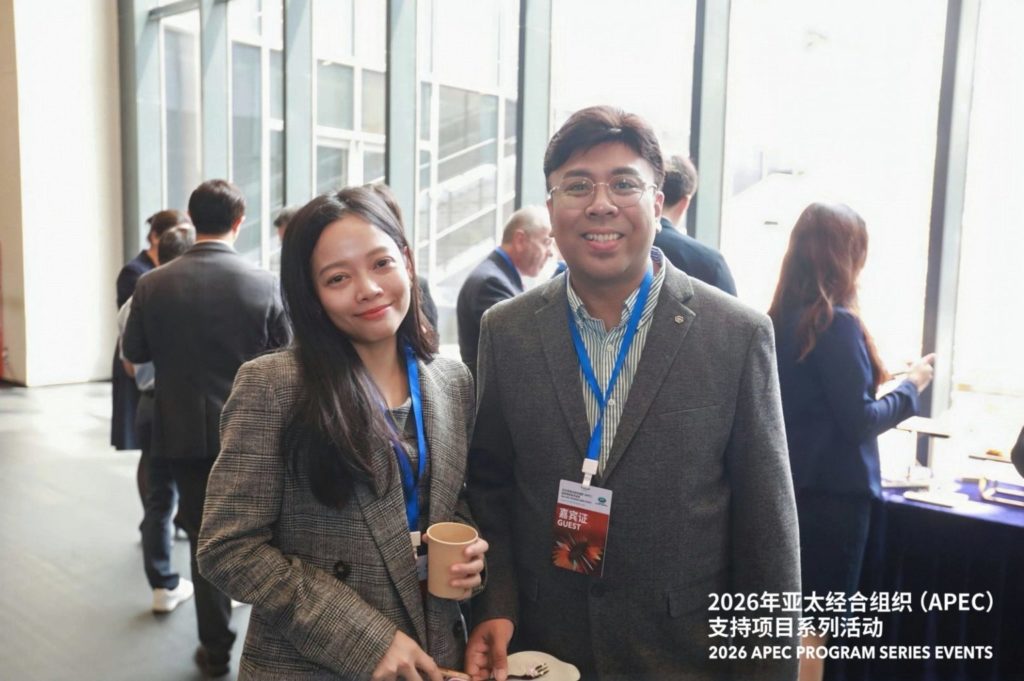
Thailand’s participation in these events reflects its active role in strengthening regional cooperation in science, technology, and innovation, while advancing the application of foresight and open innovation ecosystem approaches to enhance competitiveness and support sustainable development across the Asia-Pacific region.