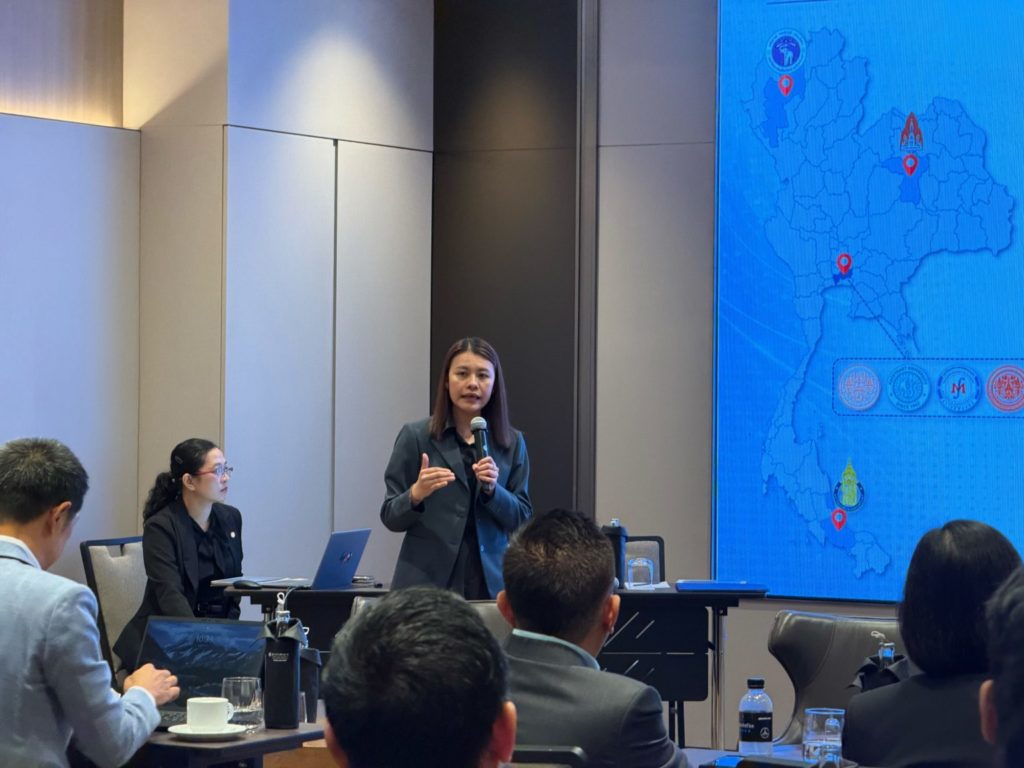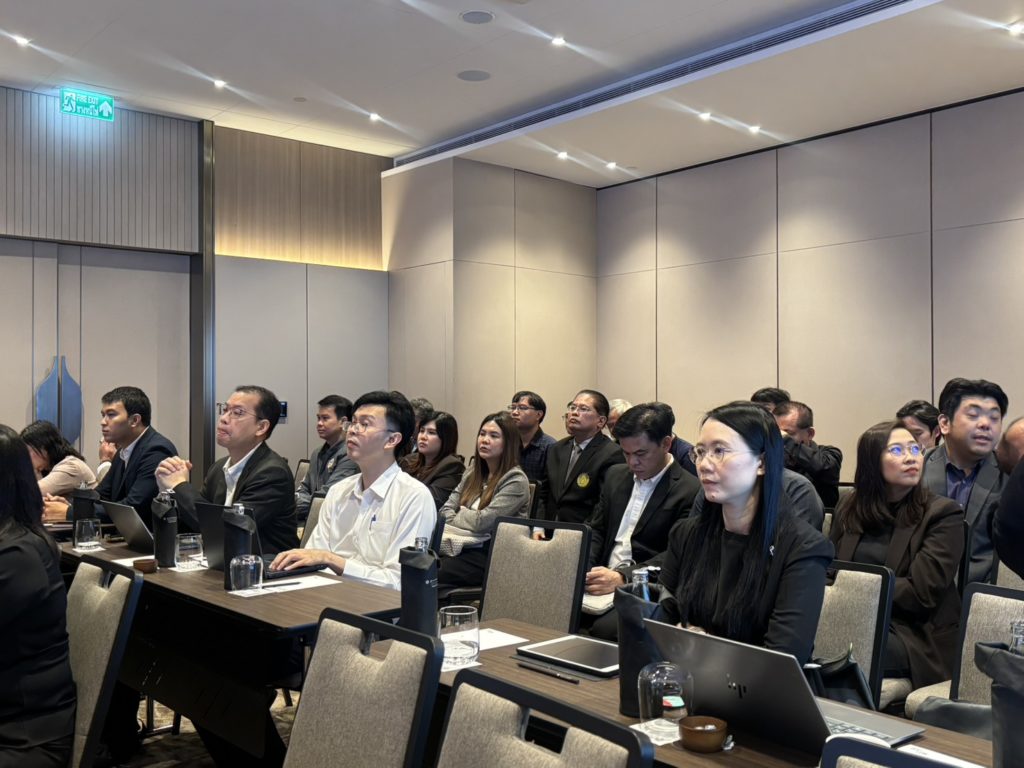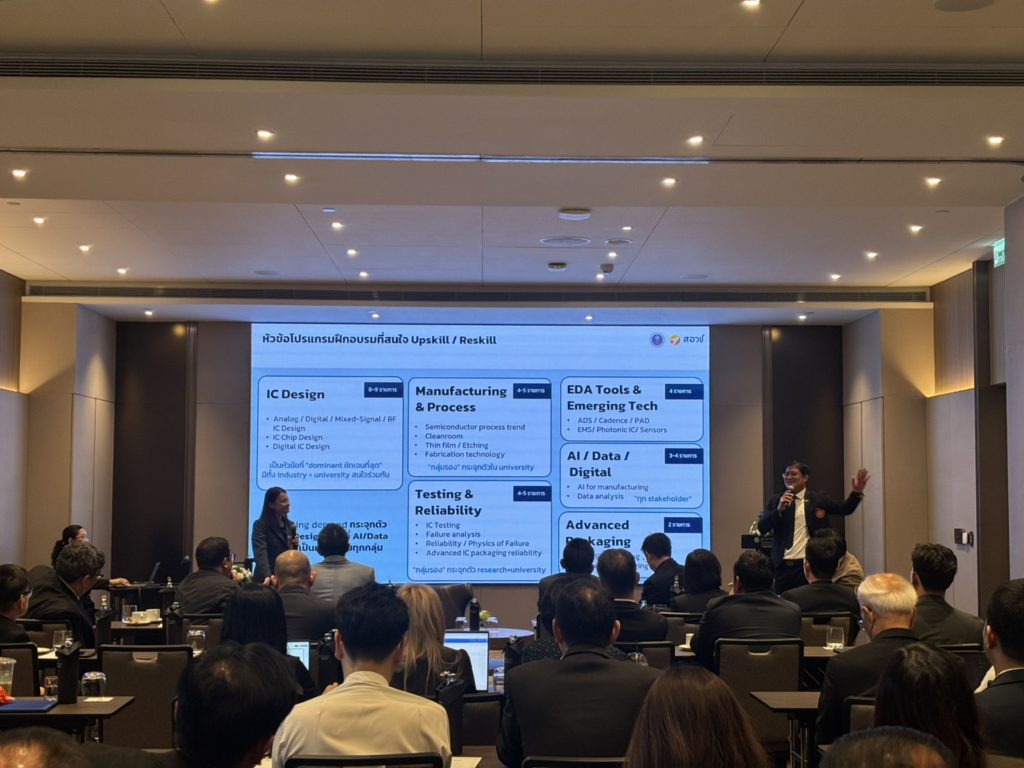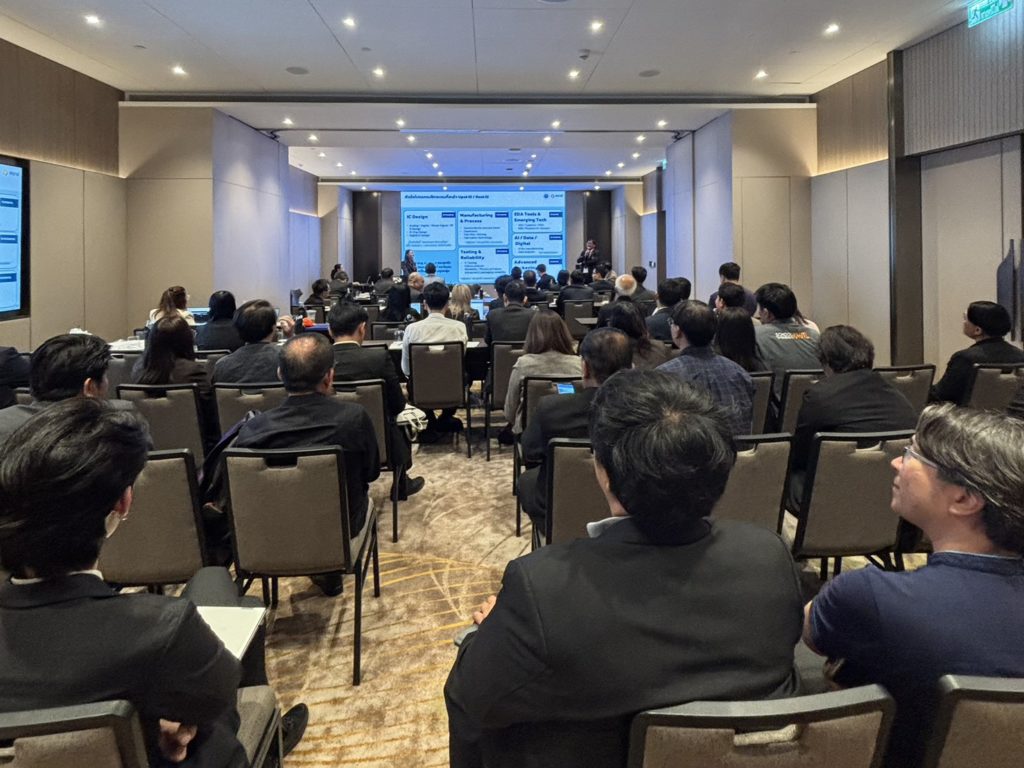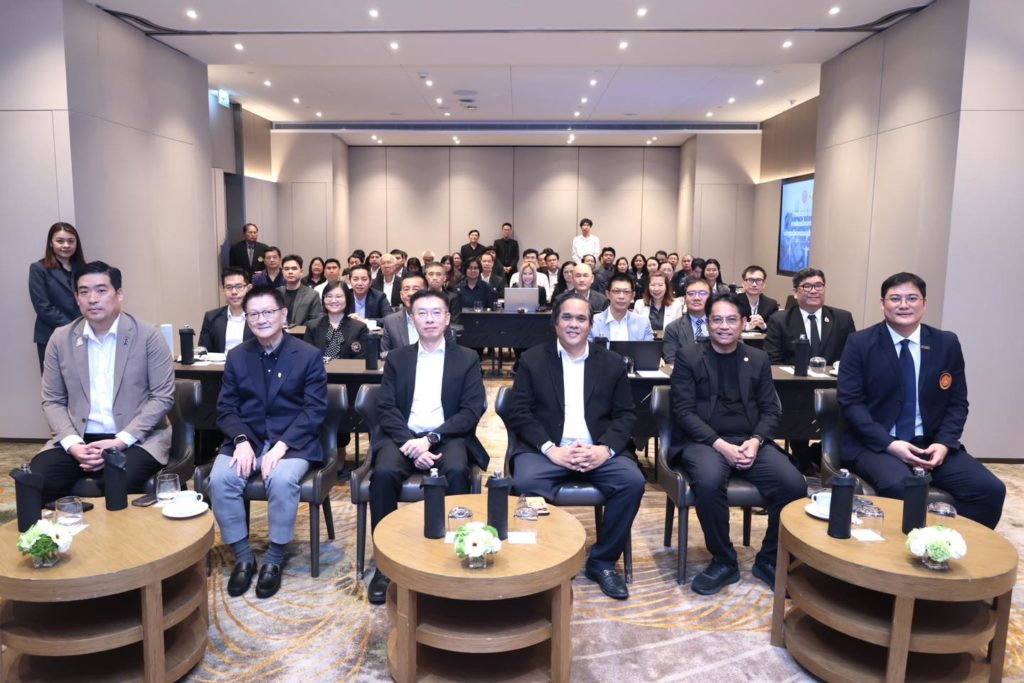
On 1 April 2026, NXPO, in collaboration with the Office of the Permanent Secretary of the Ministry of Higher Education, Science, Research and Innovation (MHESI), King Mongkut’s Institute of Technology Ladkrabang (KMITL), and the Thai Semiconductor Industry Trade Association (THSIA), convened a brainstorming session titled “ Driving Thailand’s semiconductor engineering education.” The event was officially opened by Prof. Dr. Supachai Pathumnakul, Permanent Secretary of MHESI. Key participants included Dr. Punpermsak Aruni, Deputy Permanent Secretary of MHESI; Prof. Dr. Surin Khomfoi, Deputy Executive Director of NXPO; Dr. Oraphan Wiarachai, Assistant to the President of NXPO; Ms. Panisa Harnpathananun, Senior Director of the Higher Education Innovation and Future Skills Development Division at NXPO; and Dr. Tidarat Komolwanich, Director of the Manpower Development Strategy and Policy Division at NXPO. The session provided a platform for stakeholders to exchange perspectives, assess key challenges, and co-develop initiatives to strengthen the pipeline of high-skilled talent aligned with industry needs.
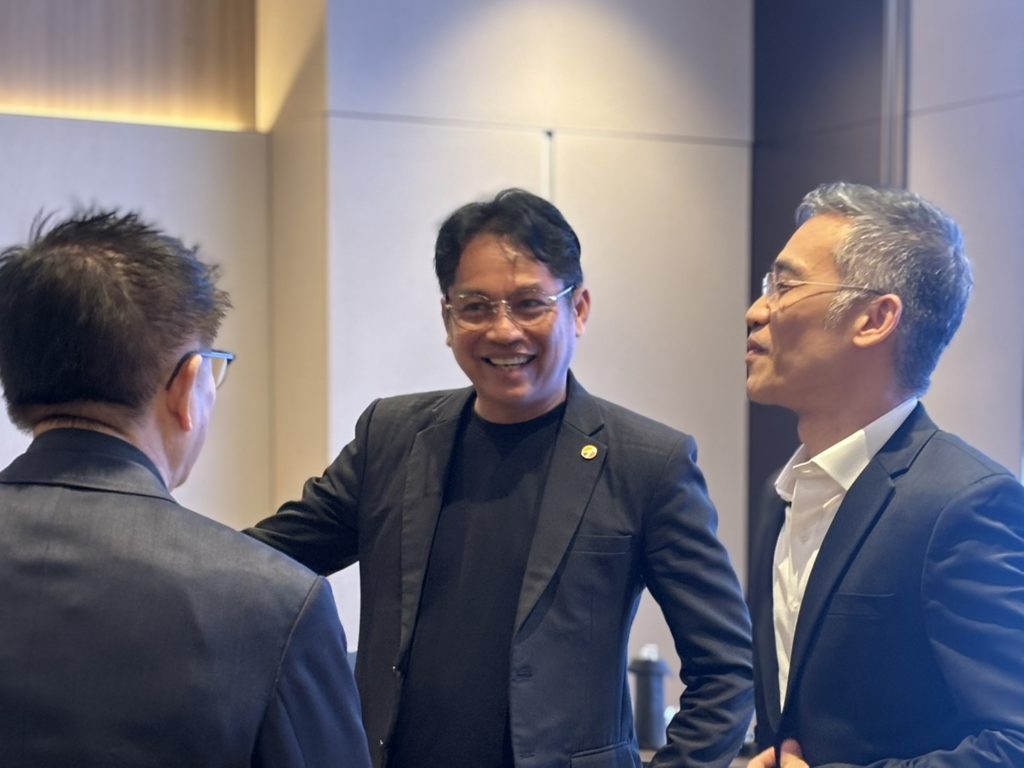
In his opening remarks, Prof. Supachai underscored the vision to position the semiconductor industry as a new growth engine for Thailand. He highlighted the success of the Sandbox curriculum, which has already enrolled more than 150 students in its first cohort. Dr. Punpermsak reported progress in building a comprehensive talent ecosystem, including scholarship programs, train the trainer programs , and the establishment of four National Semiconductor Training Centers (NSTCs). These efforts aim to upskill and reskill over 1,500 personnel and support Thailand’s aspiration to become a leading semiconductor hub in ASEAN.
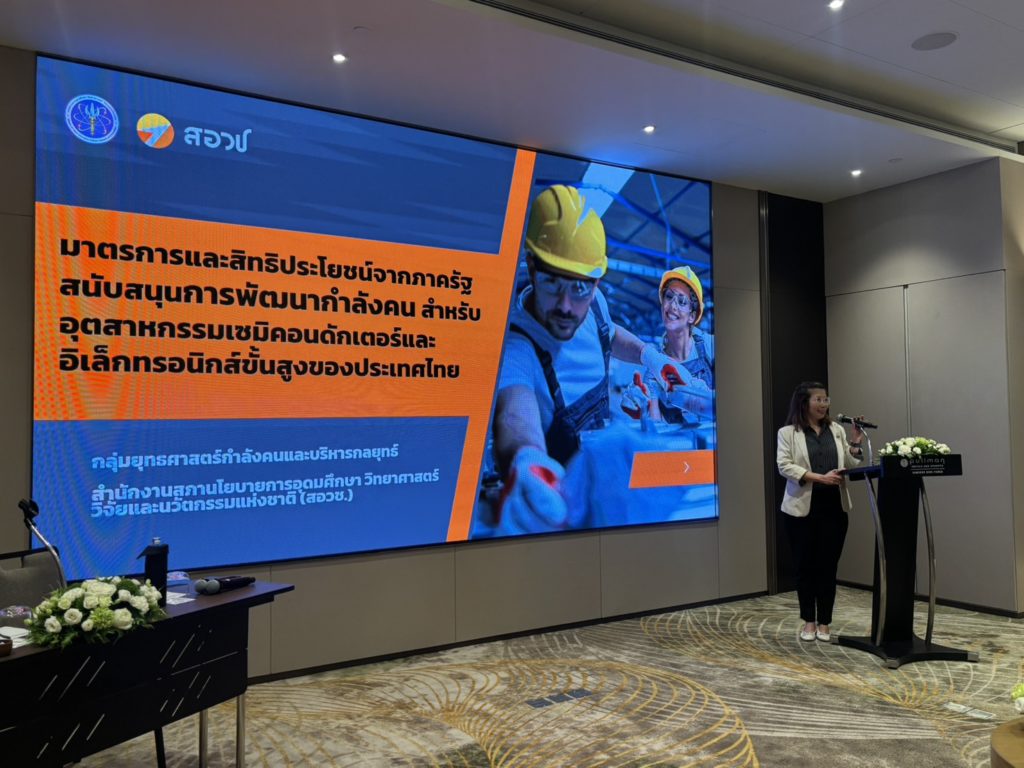
During the session, Ms. Panisa delivered a special lecture on “Government Measures and Incentives to Support Workforce Development for the Semiconductor and Advanced Electronics Industry,” outlining key policy mechanisms:
• Thailand Plus Package: A 150% tax deduction for organizations hiring new employees in STEM fields, and a 250% tax exemption for expenses related to training and upskilling/reskilling employees.
• Experiential Learning: A proposed 250% tax incentive for expenses related to work-based learning programs to encourage private sector participation as co-educators.
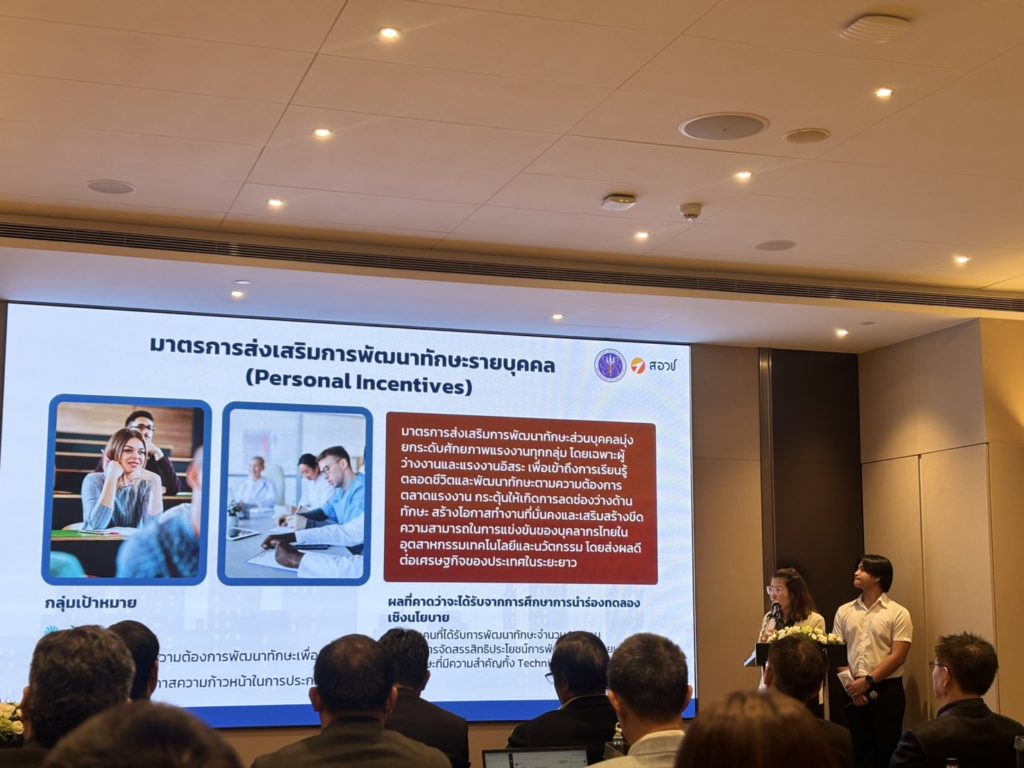
• Personal Incentives: Measures to enhance workforce capabilities across all groups, including unemployed individuals and freelancers, by enabling access to market-driven skill development.
• STEMPlus Platform (www.stemplus.or.th): A one-stop service platform connecting workforce demand and supply, supporting STEM curriculum accreditation, talent search, and job matching.
The session concluded with brainstorming session, withrepresentatives from THSIA and leading companies, including Analog Devices (Thailand), Silicon Craft Technology, Infineon Technologies Manufacturing (Thailand), NXP Semiconductors (Thailand), UTAC Thai, and Stars Microelectronics (Thailand). Representatives from the Thai Microelectronics Center (TMEC) and faculty members from 15 universities also actively contributed to the discussion.
Key topics included strategies for managing both current and incoming students, models for collaborative teaching withinuniversity consortium, and approaches to strengthening faculty capabilities through train-the-trainer initiatives. Participants also explored mechanisms to enhance systemic collaboration between university consortium and industry under THSIA, including internship pathways and improved communication of career opportunities in the semiconductor sector to target groups. The session marked an important step toward building stronger collaboration frameworks and advancing Thailand’s capacity to develop a highly skilled workforce that meets the long-term needs of the semiconductor industry.