On 23 March 2026, NXPO, in collaboration with the Department of Climate Change and Environment (DCCE), convened the Steering Committee Meeting for the Thailand Technology Needs Assessment (TNA) Project. The meeting was chaired by Dr. Surachai Sathitkunarat, President of NXPO, and attended by Assoc. Prof. Wongkot Wongsapai, Vice President of NXPO, Dr. Kommate Jitvanichphaibool, Assistant to the President of NXPO, and members of the project team.
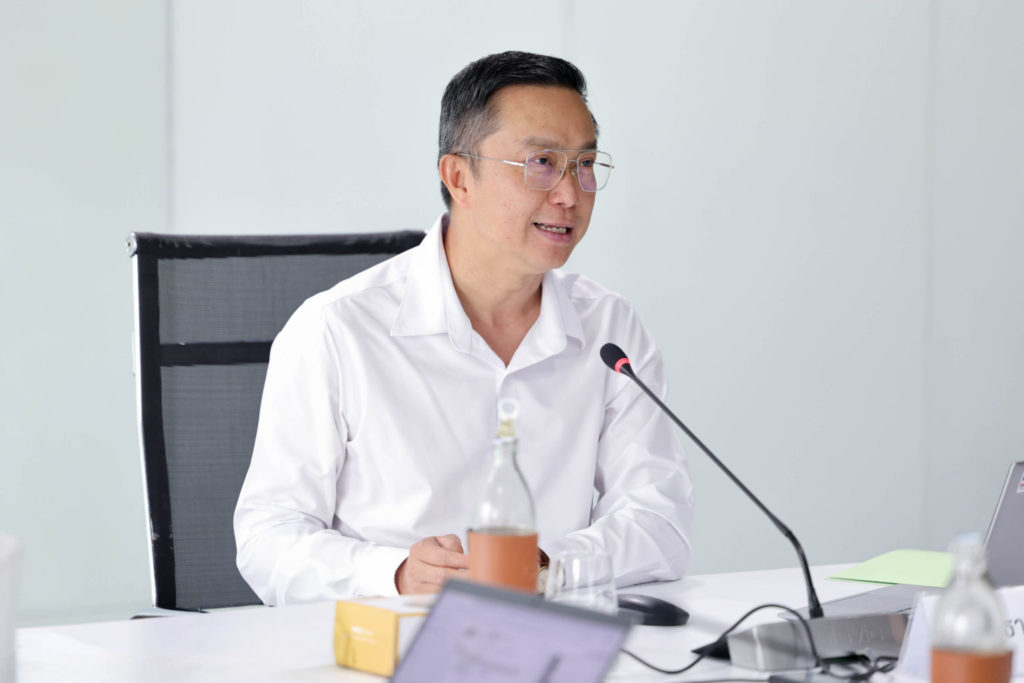
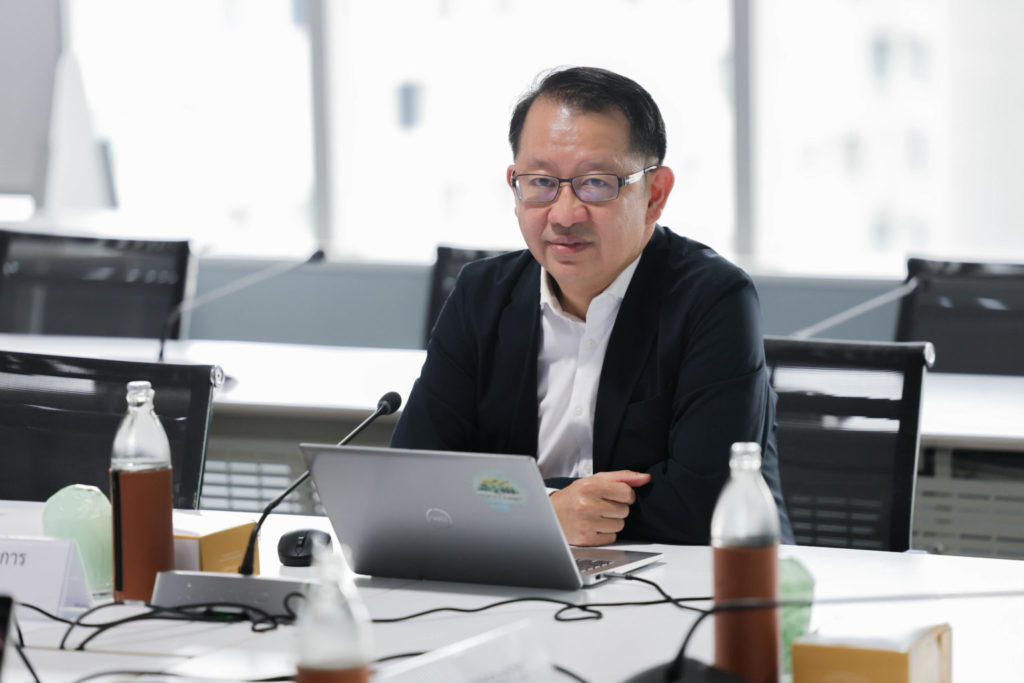
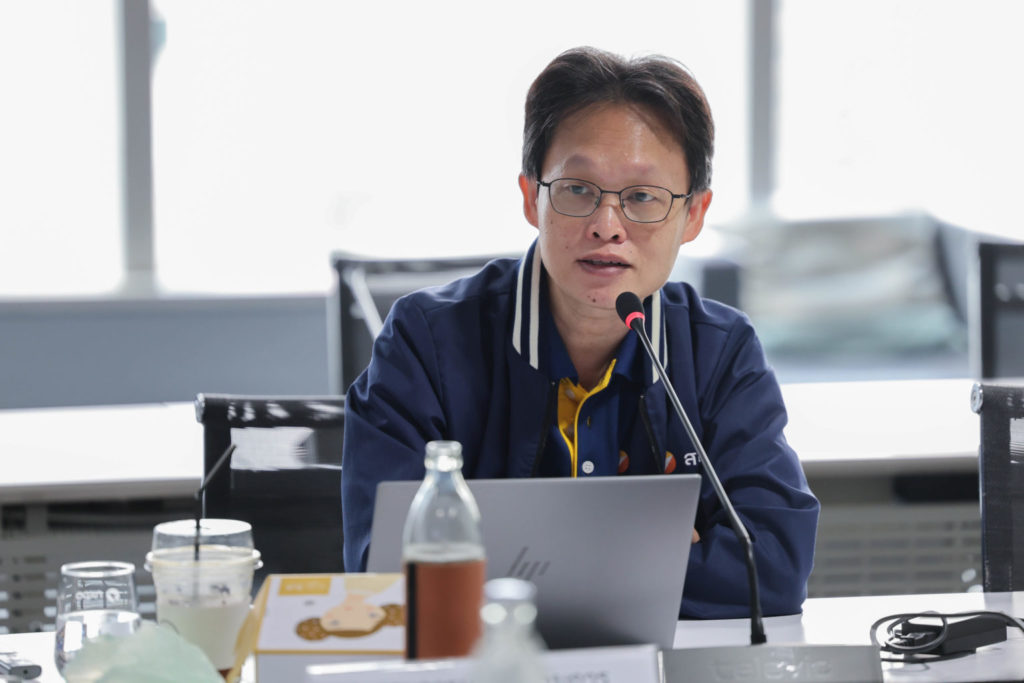
In his opening remarks, Dr. Surachai emphasized that the second phase of the TNA project is of critical importance in supporting Thailand’s national efforts to address climate change. The project focuses on the identification and deployment of climate-related technologies, as well as the utilization of technology transfer mechanisms under the framework of the United Nations Framework Convention on Climate Change (UNFCCC). During a previous meeting, committee members agreed to classify priority technologies into four strategic sectors: energy, agriculture, water resources management, and human settlements and security. Sub-working groups were subsequently established, and sectoral workshops were conducted to examine each sector in detail and to jointly develop preliminary longlists and shortlists of technologies. The outcomes of these processes were presented at the meeting for further consideration and endorsement by the committee.
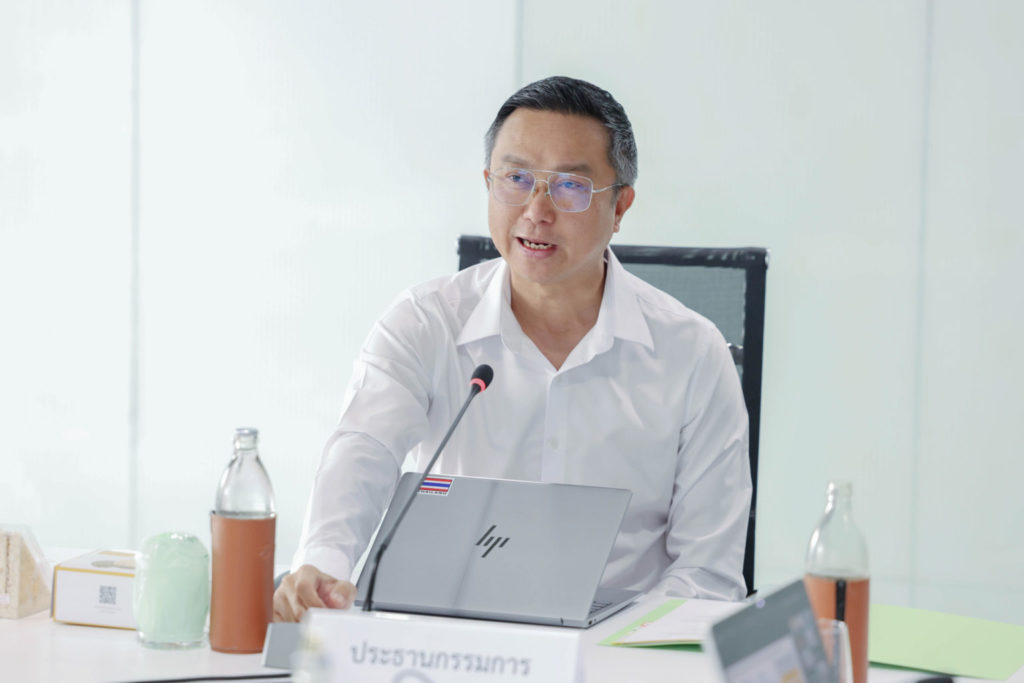
“This project represents a critical starting point that will shape the direction of future implementation. Once consensus is reached on the selected technologies, they will be further assessed in terms of challenges and barriers, leading to the development of Technology Action Plans (TAPs),” Dr. Surachai stated.
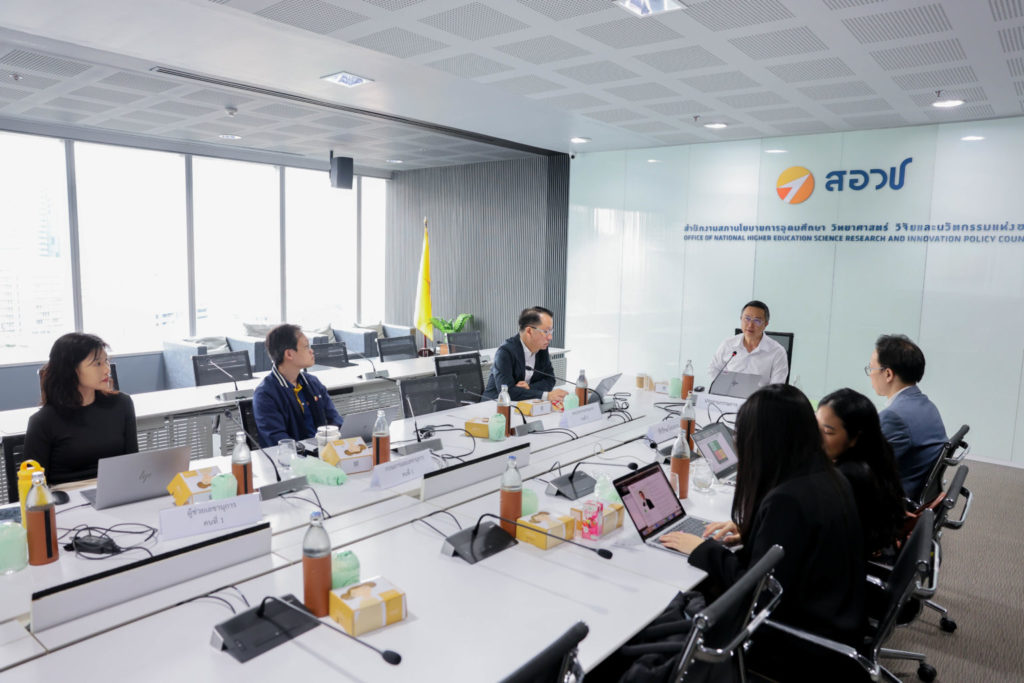

Dr. Srichattra Chaivongvilan, Strategist at NXPO, reported that the project is currently in the stage of screening and prioritizing technologies through multi-criteria analysis and stakeholder consultations. The evaluation process applies STEEP analysis and system mapping to ensure alignment with Thailand’s national context and key policy commitments, including the country’s Nationally Determined Contributions (NDCs), its Net Zero 2050 vision, and national energy plans. The assessment also considers the readiness of technologies expected to be deployable by 2035, prioritizing those with strong potential to deliver economic, social, and environmental benefits for Thailand.
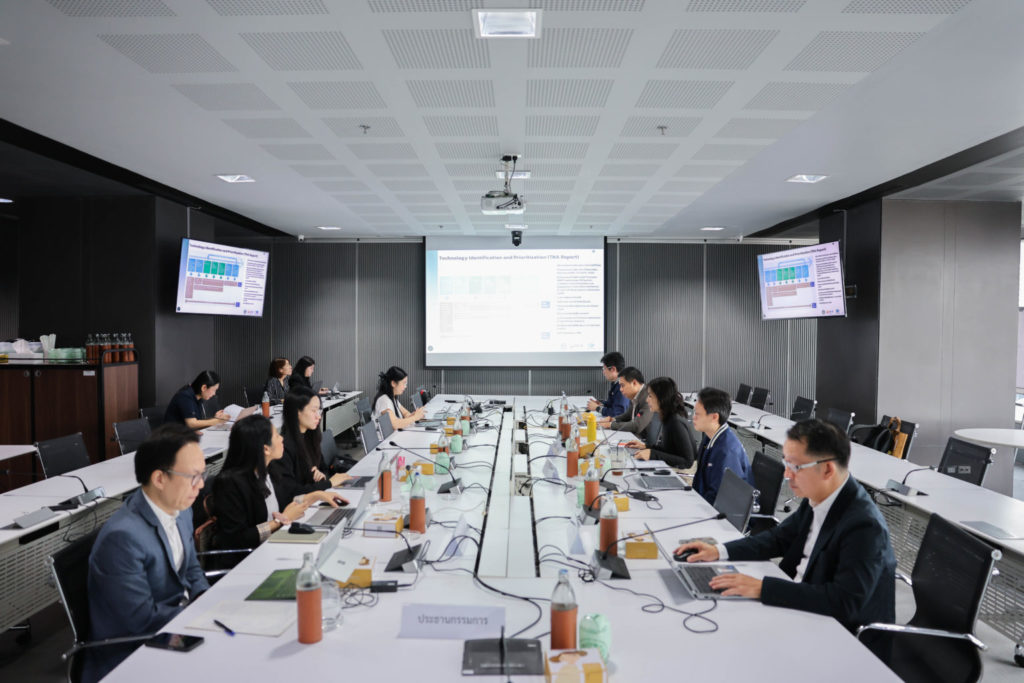
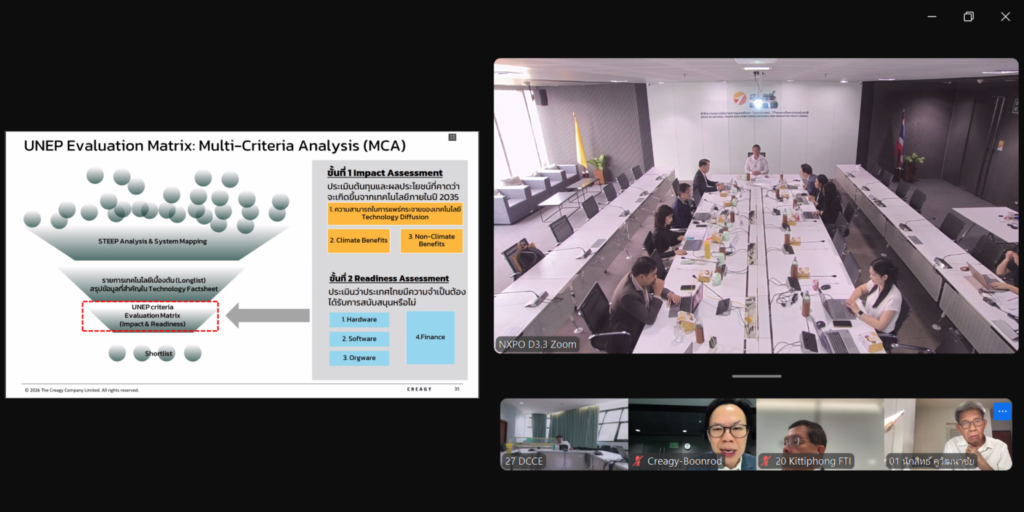
Mr. Boonrod Yaowapruek, Managing Partner of The Creagy Co., Ltd. and project consultant, presented the framework for technology selection. For each sector, an initial longlist of 8–12 technologies was screened down to a shortlist of four technologies, resulting in a total of 16 shortlisted technologies across the four sectors. The selection process applied Multi-Criteria Analysis (MCA) to conduct an impact assessment, evaluating the expected costs and benefits of each technology by 2035. The scoring criteria covered technology diffusion, climate impacts, and sustainable development impacts. In addition, a readiness level assessment was conducted to evaluate the current maturity of each technology and identify the types of support required. This assessment considered four dimensions: infrastructure (Hardware), human resources and knowledge (Software), institutional and regulatory frameworks (Orgware) and finance and investment.
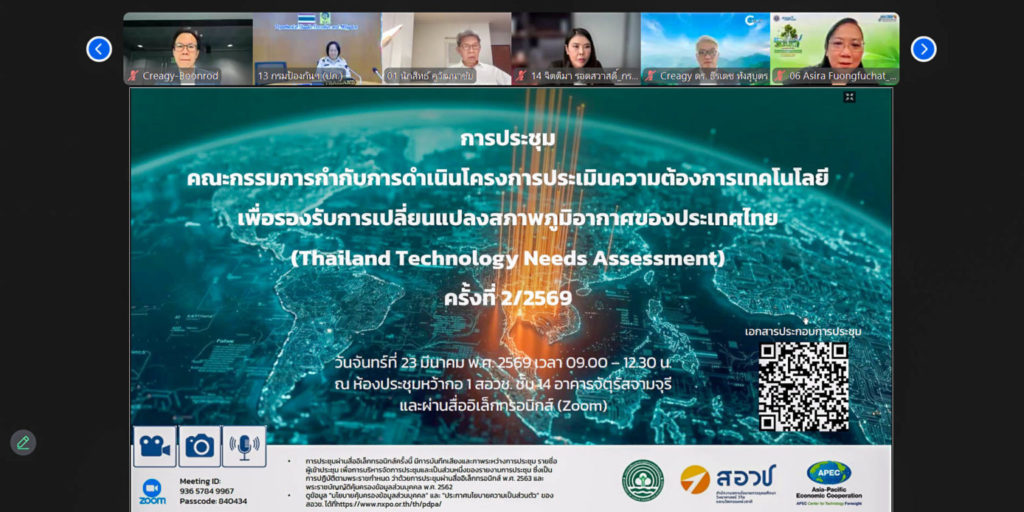

The shortlisted technologies for each sector are as follows:
- Energy: Small Modular Reactors (SMRs), Sustainable Aviation Fuel (SAF), Carbon Capture, Utilization, and Storage (CCS/CCUS/BECCS), and Solar PV for Infrastructure.
- Agriculture: CH4 Emission Reduction in Ruminants through Natural Inhibitors, Gene-edited Rice, N2O Mitigation through Nitrification Inhibitors, and Near-Infrared (NIR) Sensor.
- Water Resources Management: IoT-based Real-Time Water Quality Adaptation Systems, Underground Attenuation and Storage (UAS), Managed Aquifer Recharge (MAR), and Physics-Guided Long Short-Term Memory (PG-LSTM).
- Human Settlements and Security Sector: Thailand Climate Integrated Model (ThaiCIM), Energy for Disaster, Passive Radiative Cooling (PRC) Materials, and Digital Twin-Based Climate Risk Urban Planning Platform.
The shortlisted technologies will undergo a further round of review and prioritization before being used to develop detailed Technology Action Plans (TAPs).