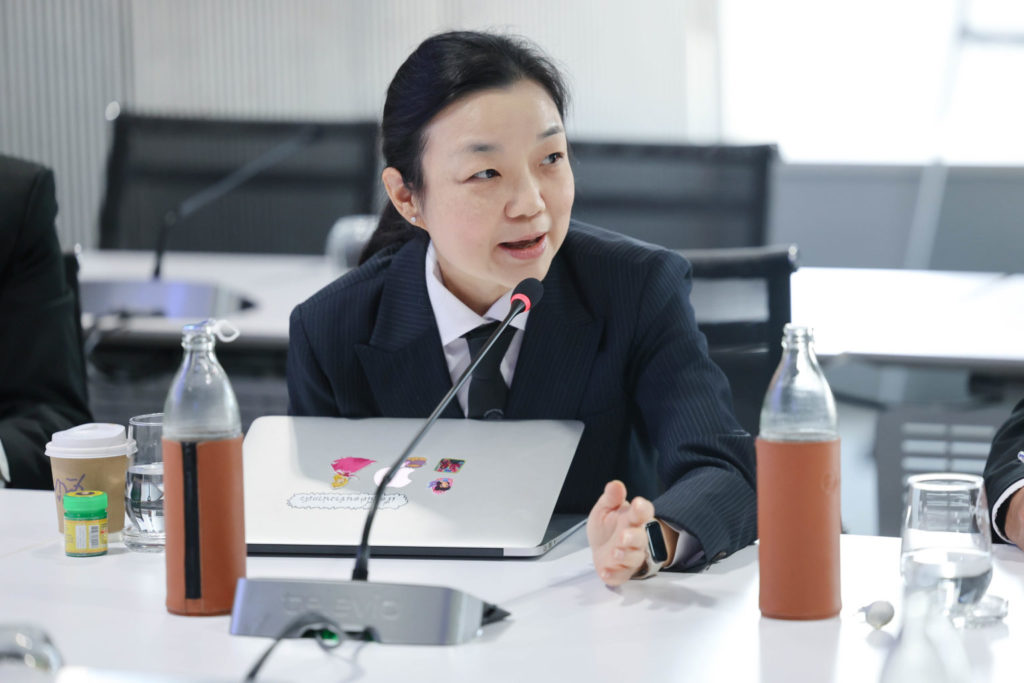
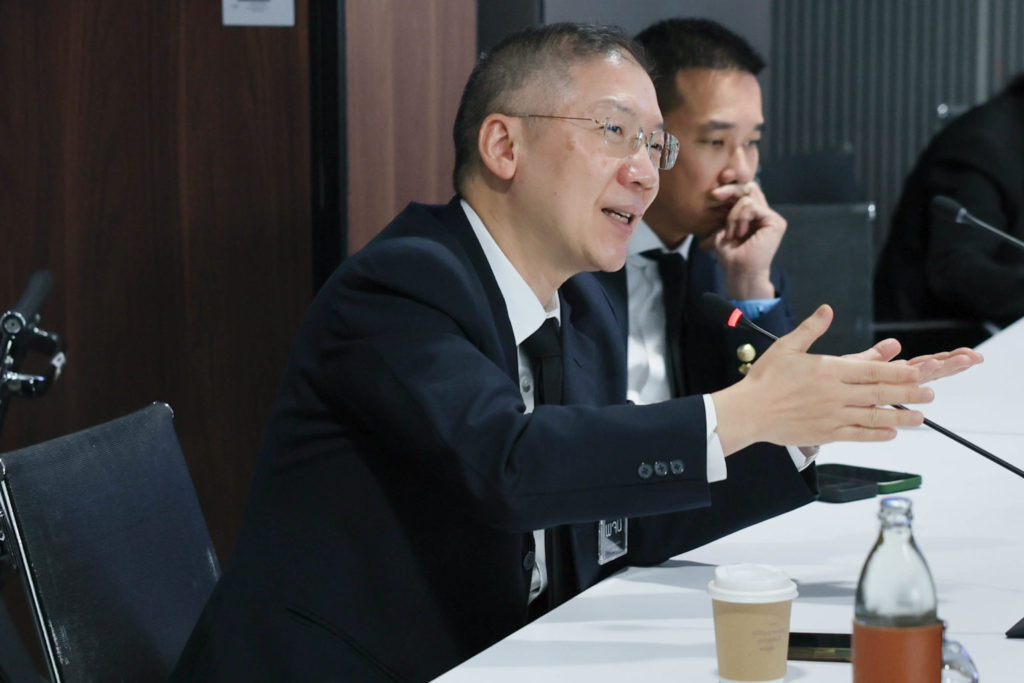
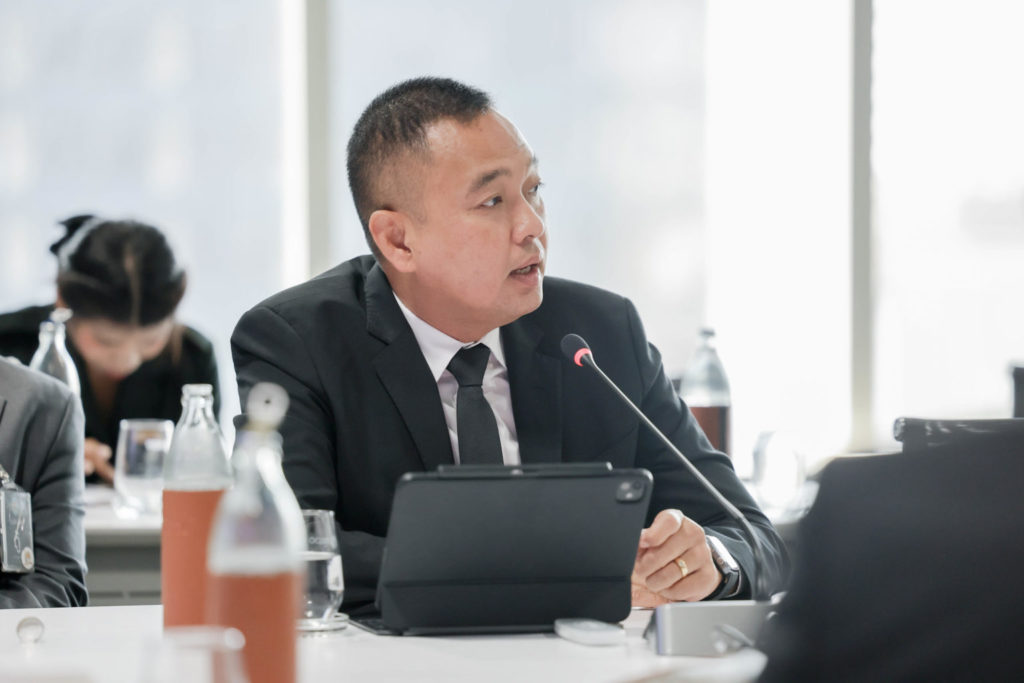
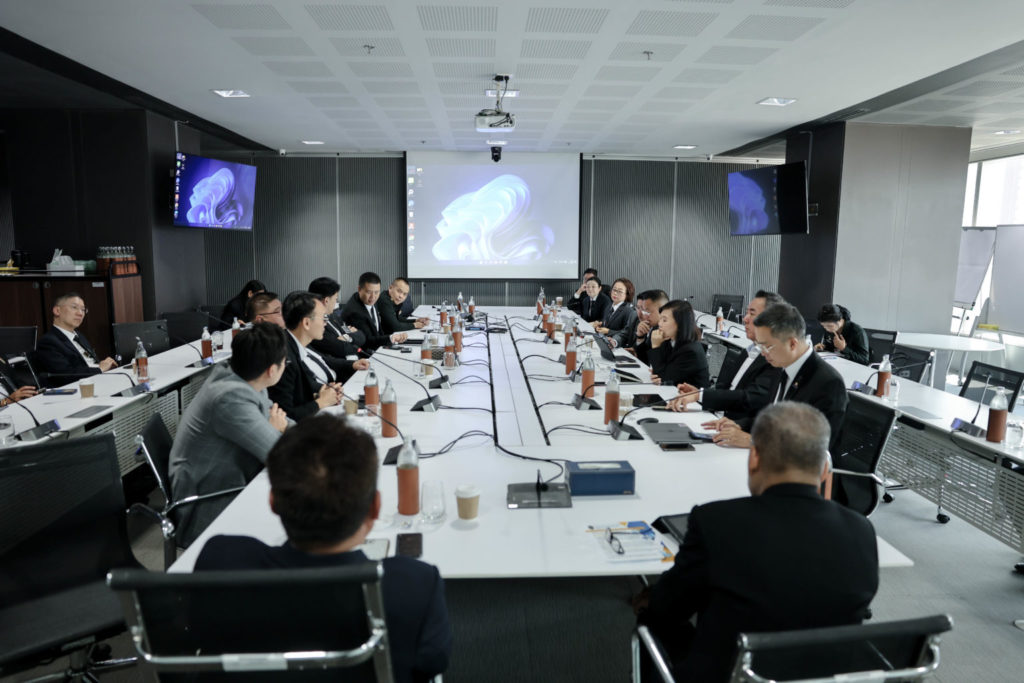
On 4 March 2026, NXPO hosted the second Focus Group Meeting under the National Defence Course for Future Leaders (NDCFL), Cohort 68. The session explored security and technological dimensions under the theme “Driving the Nation with AI.” The discussion aimed to strengthen participants’ strategic perspectives by examining the dynamic interlinkages among geographical, political, and security factors, enabling them to analyze their implications for national security. The meeting brought together more than 30 participants from both the public and private sectors.
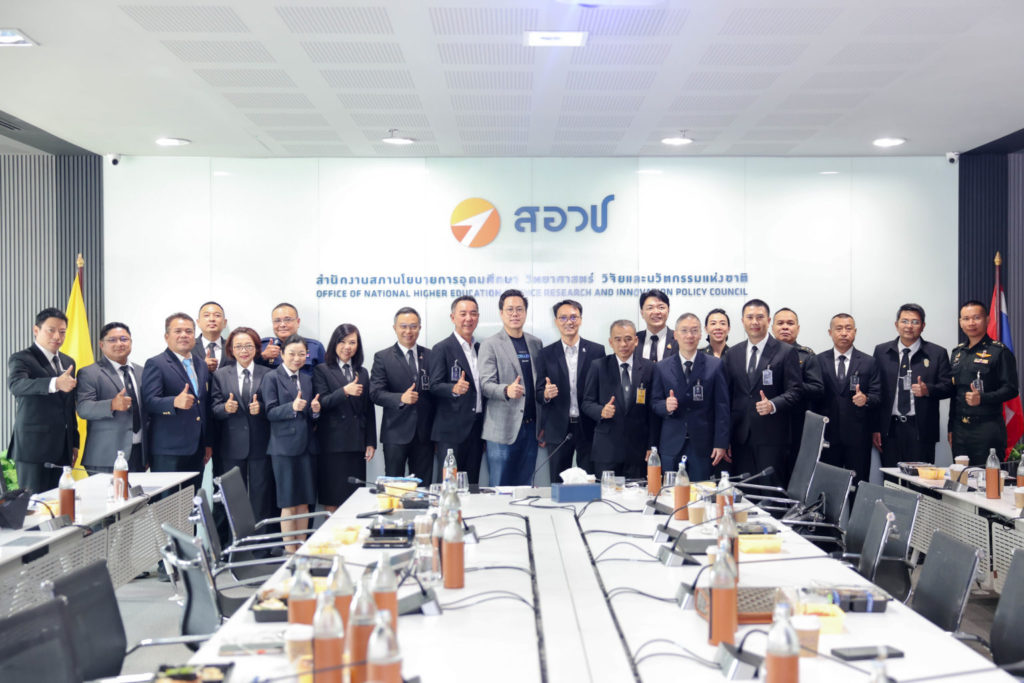
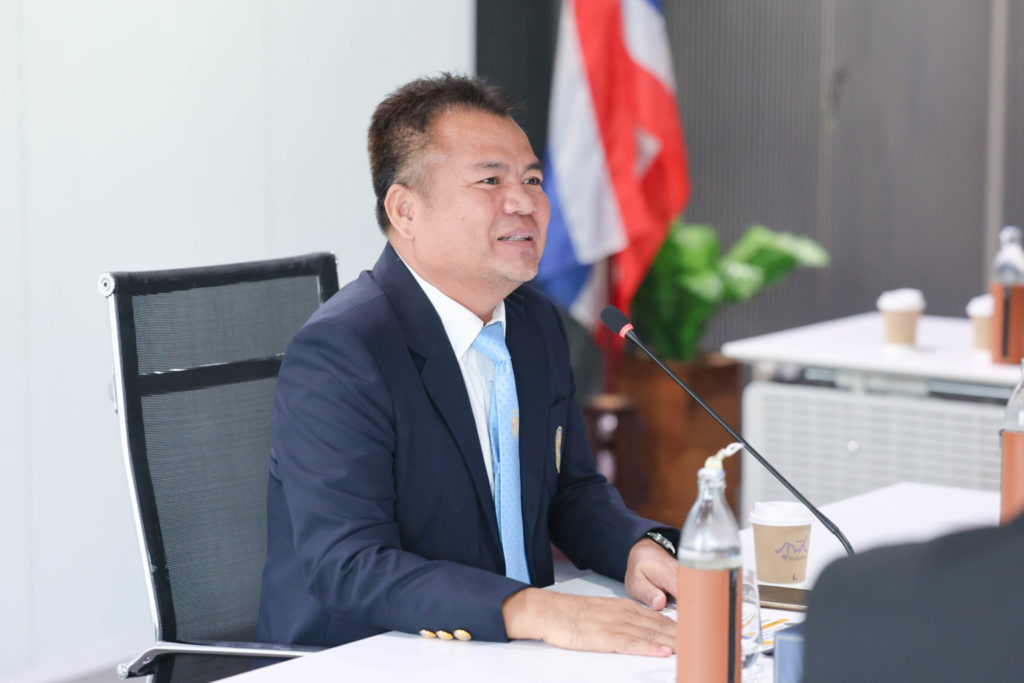
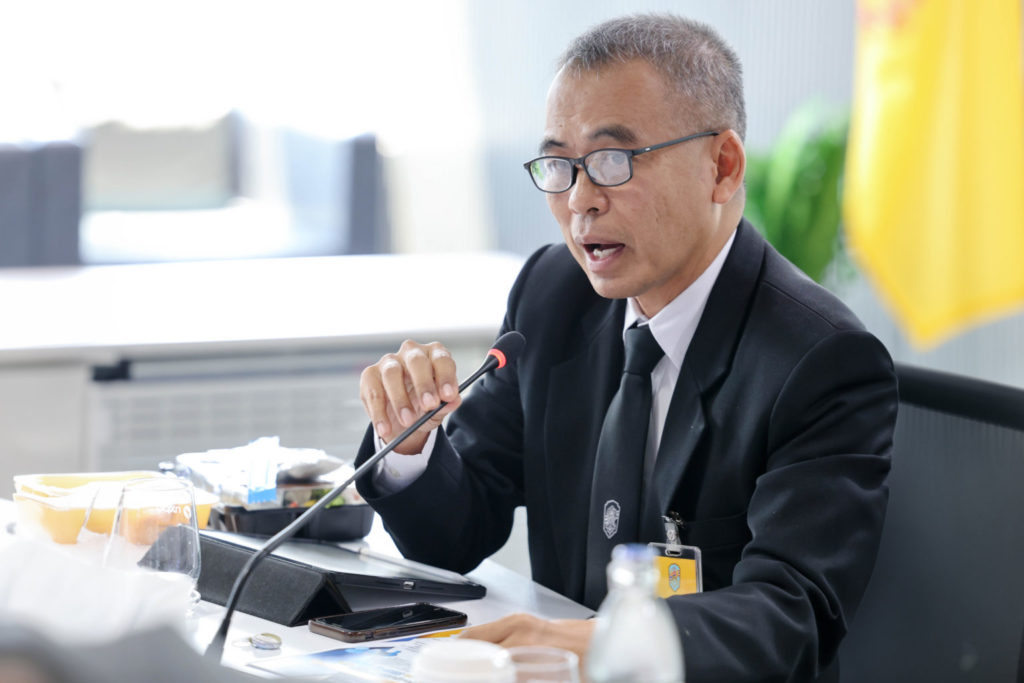
Dr. Surachai Sathitkunarat, President of NXPO and a participant in the course, delivered an overview of NXPO’s role, highlighting its dual function as a policy agency under the Ministry of Higher Education, Science, Research and Innovation (MHESI) and as the Ministry’s think tank. In addition to policy formulation, NXPO plays a key role in advancing policy measures, mechanisms, and improvements to laws and regulations through its function as the secretariat to the National Higher Education, Science, Research and Innovation Policy Council. NXPO is currently contributing to the development of several major national policy frameworks, including the 14th National Economic and Social Development Plan (2028–2032) and the Higher Education, Science, Research and Innovation Policy Framework (2028–2032).
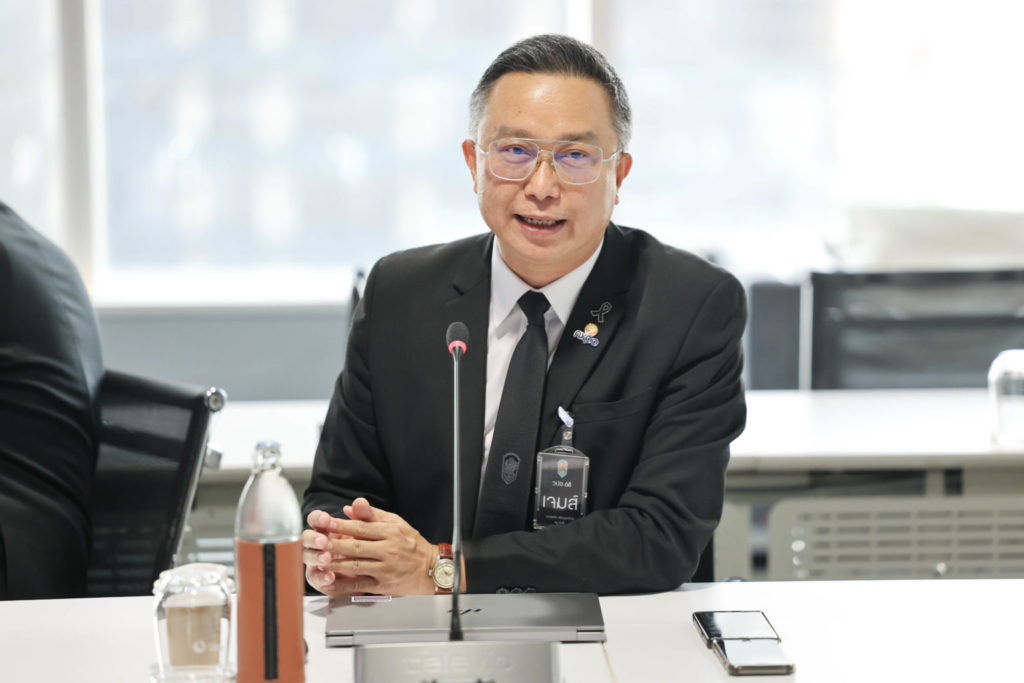
Dr. Surachai also highlighted Thailand’s current technological landscape, noting that the country remains largely a technology importer, with the value of technology imports significantly exceeding exports. He further observed that Thailand’s performance in global competitiveness indicators, including the IMD World Competitiveness Ranking and the Global Innovation Index (GII), remains at a moderate level and requires further improvement.
“While Thailand demonstrates technological strengths in areas such as medical and health services, as well as agriculture and food, the country must accelerate the development of other strategic technologies identified as national priorities. These include semiconductors and advanced electronics, electric vehicles (EVs), artificial intelligence (AI), and research commercialization,” Dr. Surachai stated.
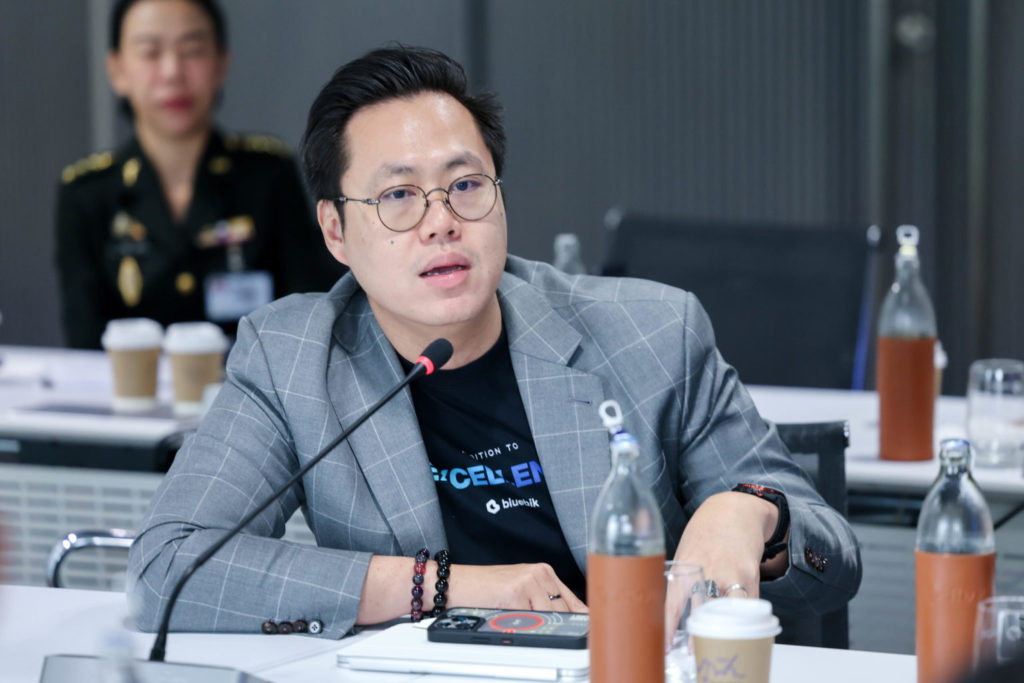
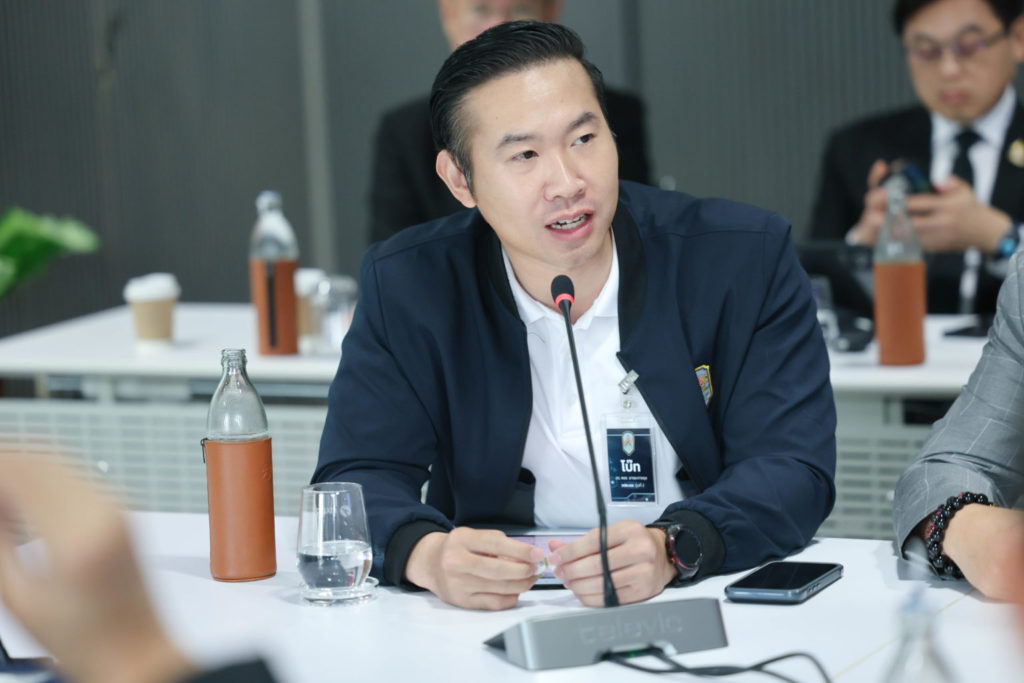
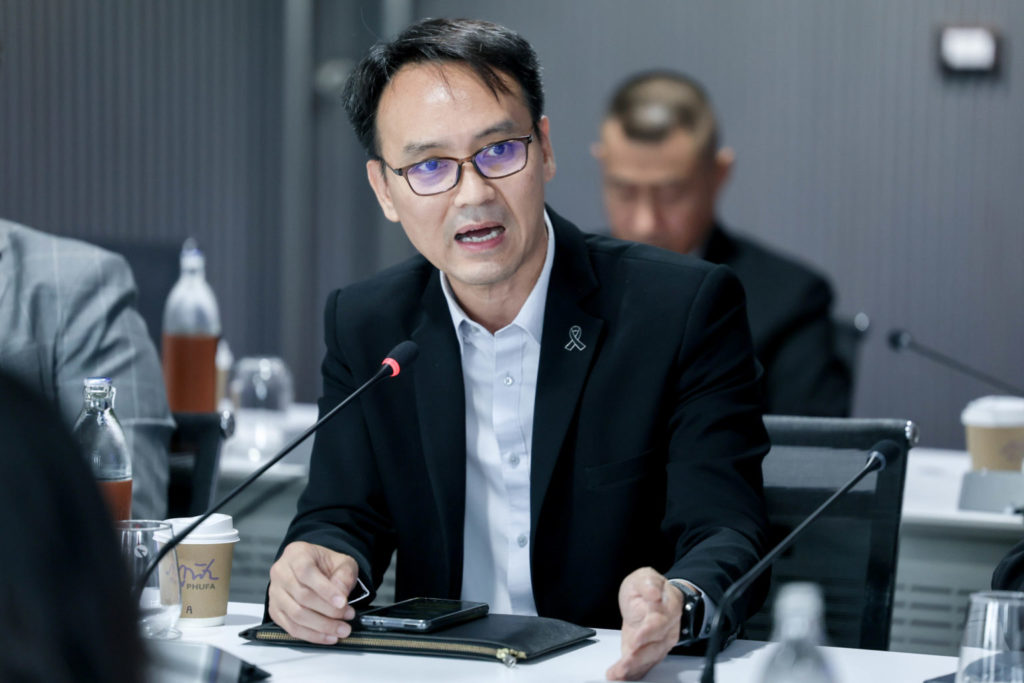

During the meeting, participants engaged in extensive discussions with a particular focus on technology sovereignty, including digital technology adoption, cybersecurity, and AI. Participants exchanged views on the country’s strengths, weaknesses, opportunities, and challenges, as well as policy priorities requiring urgent action. Discussions also addressed key ecosystem support measures, including infrastructure development, legal and regulatory frameworks, incentive mechanisms, and human capital development. Insights from the session will be further analyzed and synthesized into policy recommendations for submission to the government.