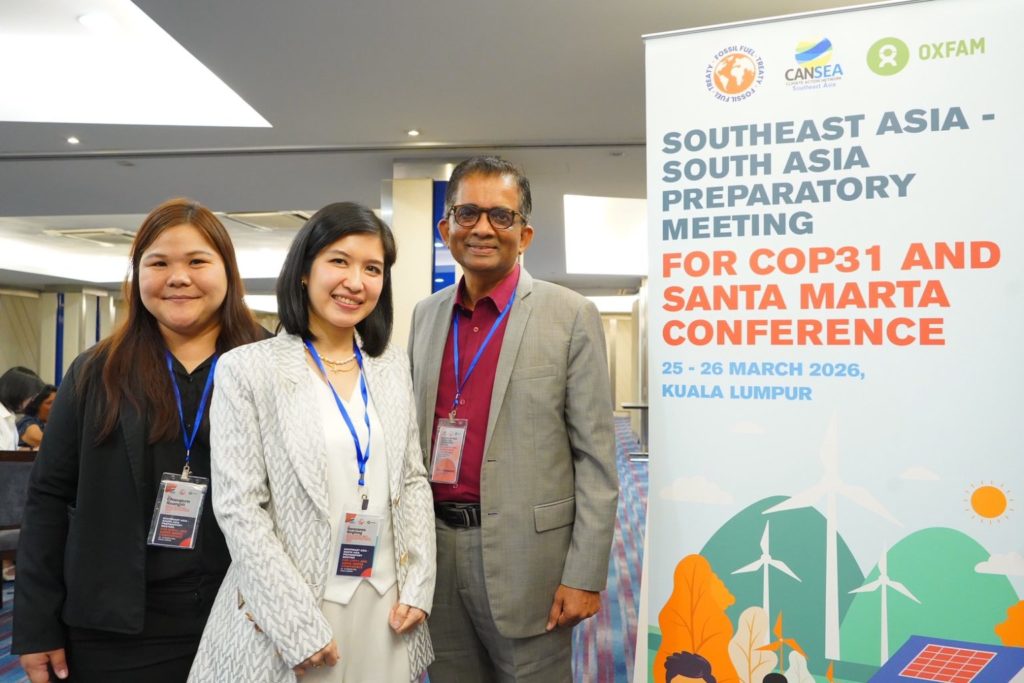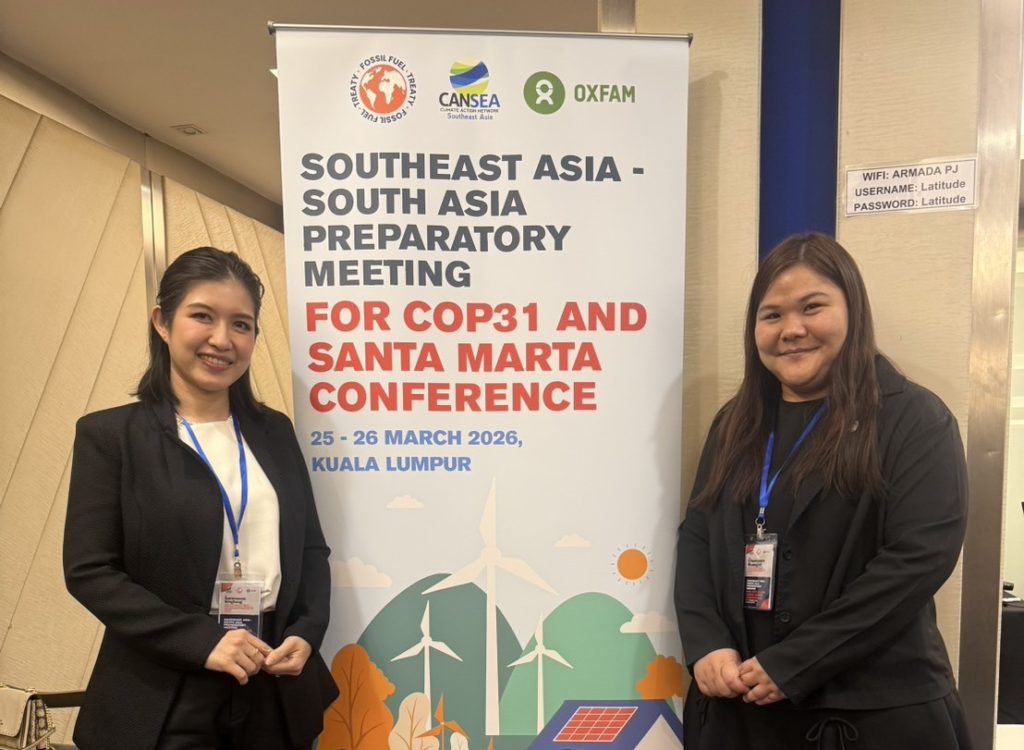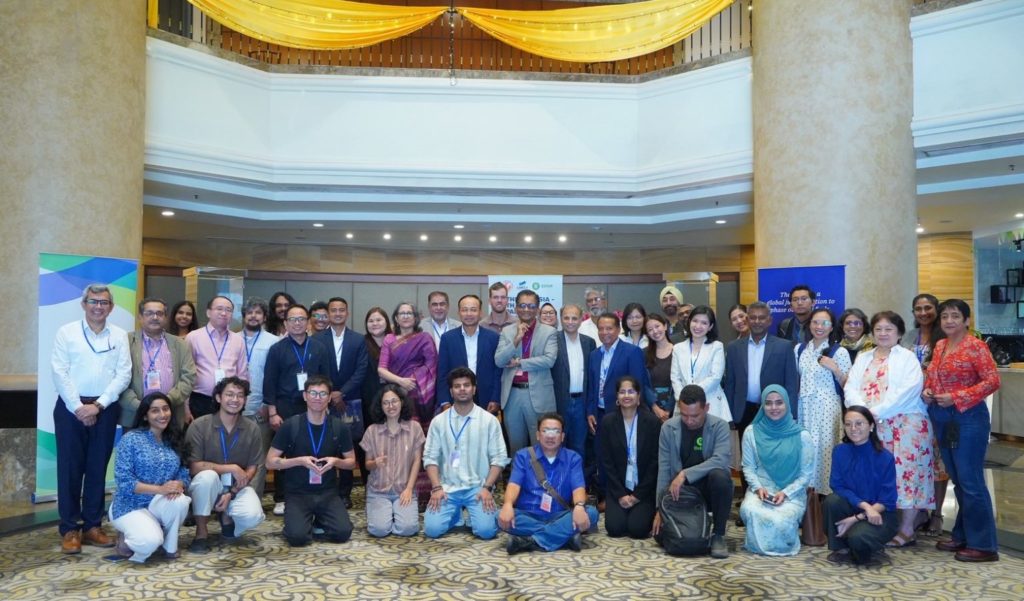
Dr. Saravanee Singtong, Director of the Sustainability Policy Division at NXPO, together with Ms. Chaniporn Ruangrit, Policy Analyst, participated in the Southeast Asia–South Asia Preparatory Meeting for COP31 and the Santa Marta Conference. The meeting was organized by the Climate Action Network Southeast Asia (CANSEA), the Oxford Committee for Famine Relief (OXFAM), and the Fossil Fuel Treaty on 25–26 March 2026 in Kuala Lumpur, Malaysia. The event brought together representatives from 15 organizations across 10 countries.
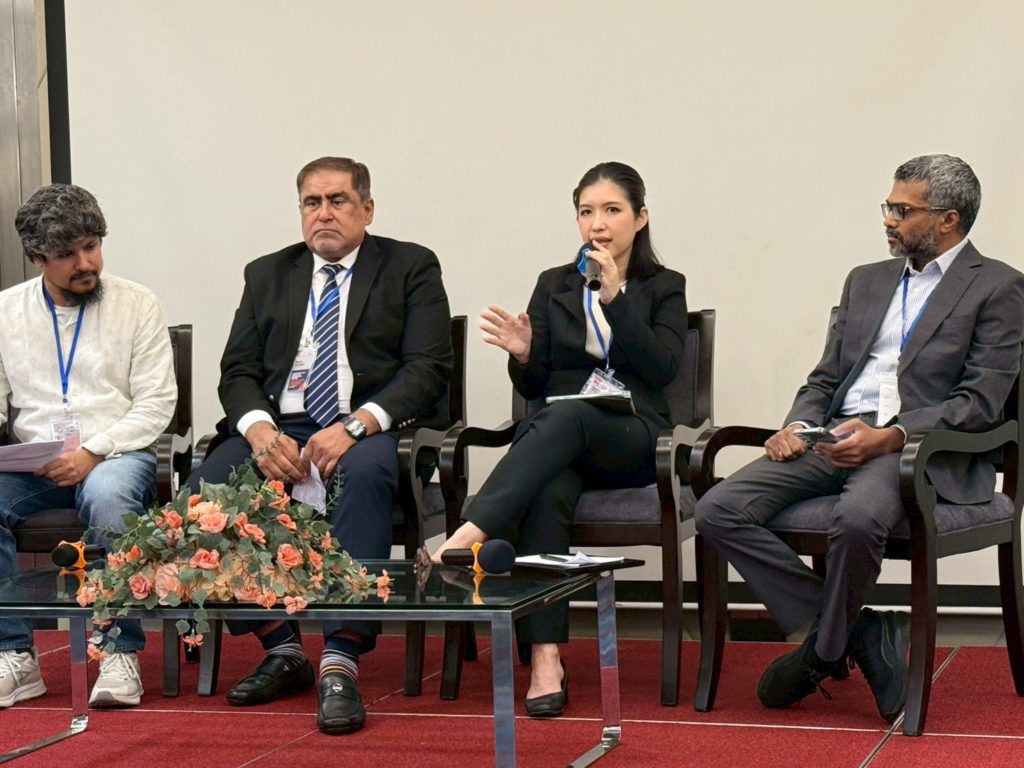
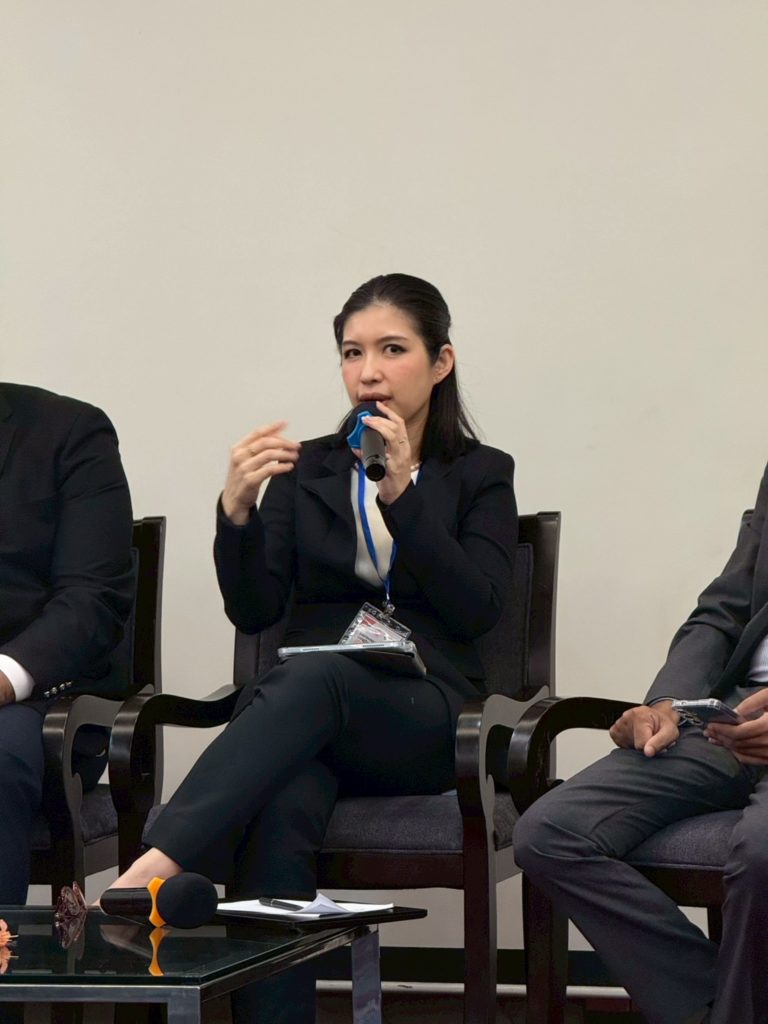
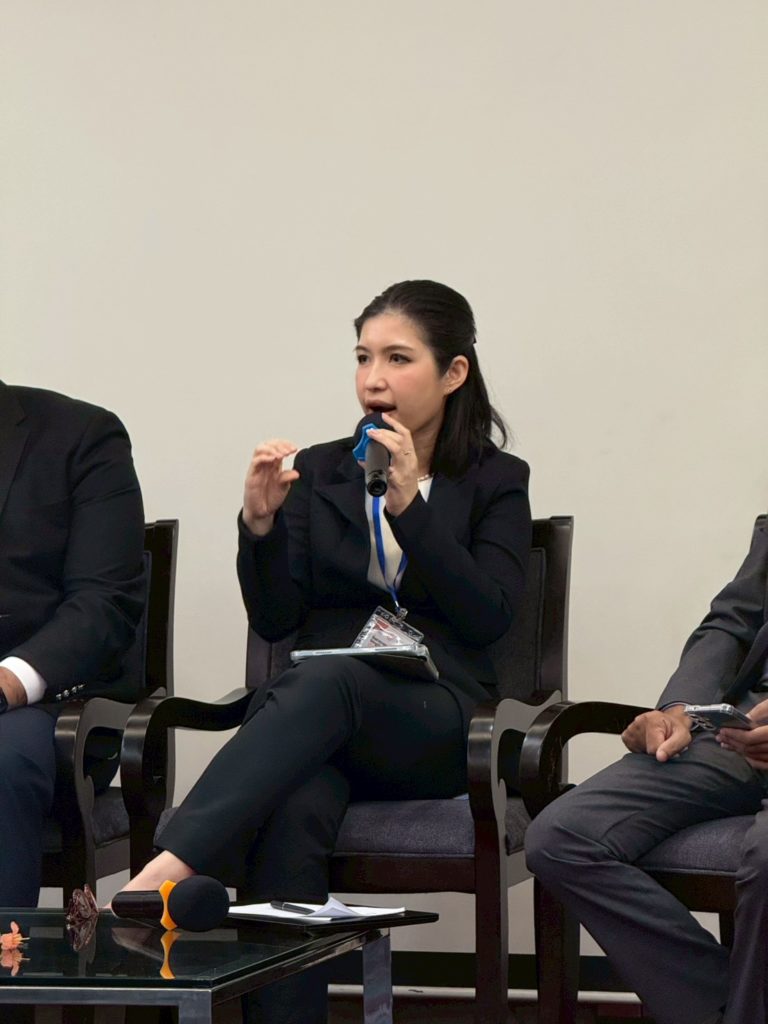
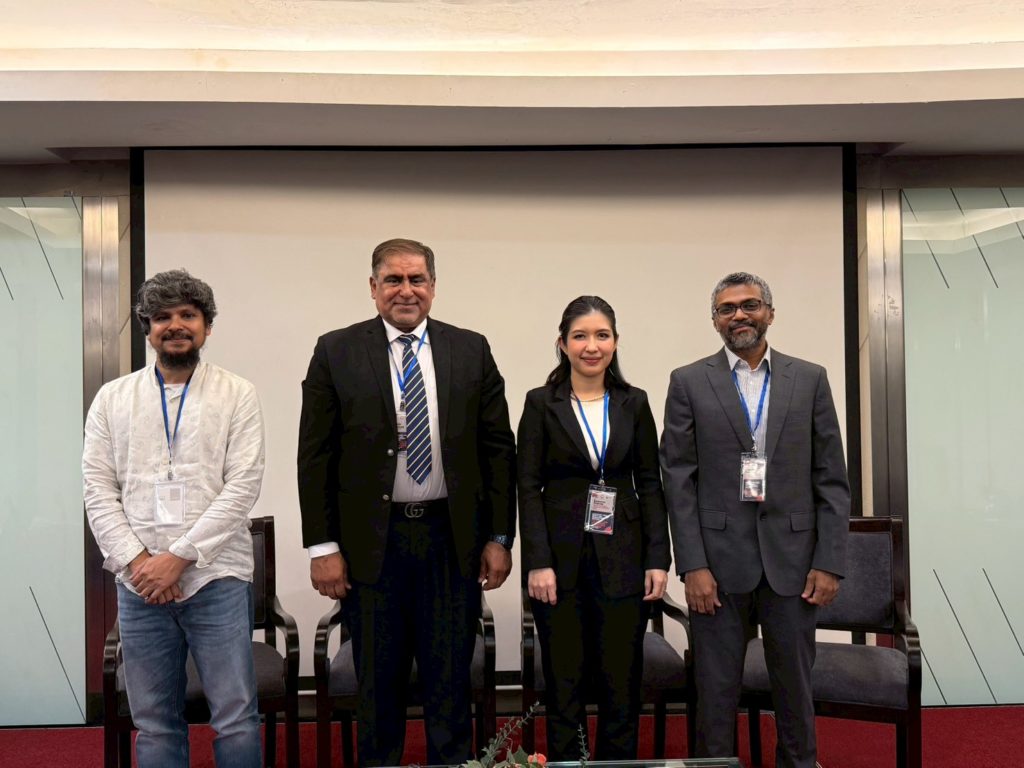
During the meeting, Dr. Saravanee joined a panel discussion featuring in-depth perspectives from government negotiators on key priorities for the upcoming United Nations Climate Change Conference (COP31). Fellow panelists included the Director of the Climate Change Department of the Maldives’ Ministry of Tourism and Environment and the Deputy Director of Sri Lanka’s Ministry of Environment. The discussion focused on priority adaptation actions that should be advanced at COP31 and reviewed progress made in recent negotiations.
Dr. Saravanee highlighted that while previous negotiations had placed greater emphasis on greenhouse gas mitigation, outcomes from COP30 demonstrated a clear shift toward strengthening climate change adaptation. This shift has influenced key implementation mechanisms, including climate finance, monitoring systems, and technology support. She noted that Southeast Asian and other developing countries are among the most vulnerable to climate impacts, with many of the world’s top 20 most at-risk countries—identified in the Climate Risk Index (CRI) 2026—represented at the meeting. She further emphasized that recent negotiations have increasingly prioritized science-based evidence, climate technologies and innovation, and the strengthening of national innovation systems (NIS)—trends that are expected to continue through COP31. These developments are likely to lead to stronger support mechanisms that will benefit Southeast Asia and other developing regions. The preparatory meeting therefore played an important role in consolidating regional data and perspectives to ensure that future support is both targeted and effective.
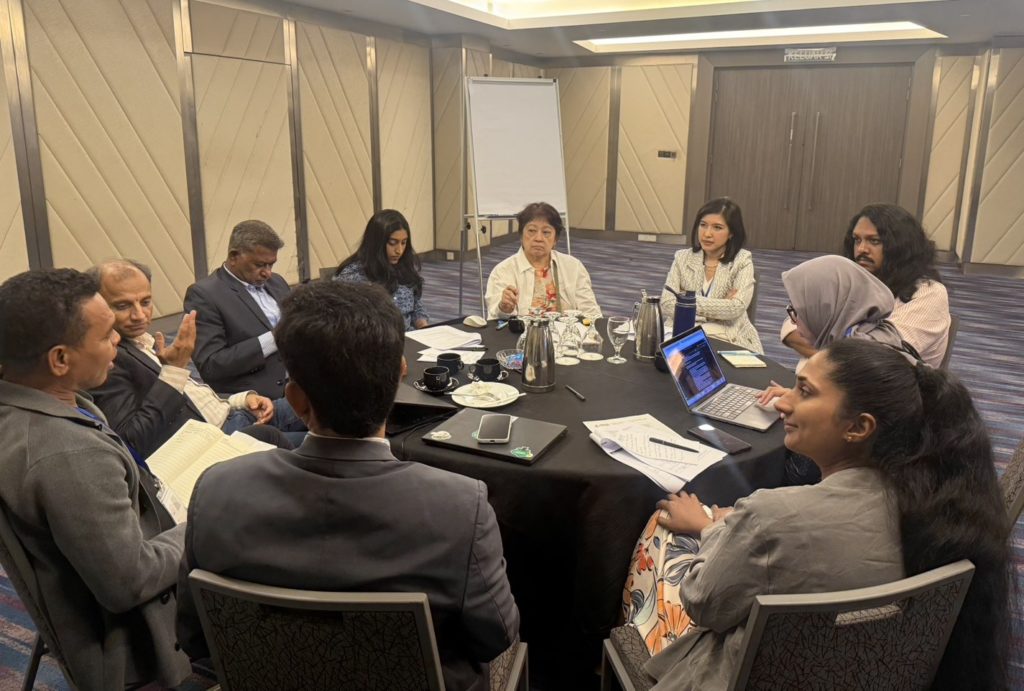
In addition, Dr. Saravanee served as Chair of the breakout session on Climate Finance under the theme “Building Common Regional Positions on COP31 and the Santa Marta Conference.” The session brought together representatives from civil society organizations and regional networks to develop policy recommendations. The outcomes will contribute to the formulation of a Shared Southeast Asia–South Asia Agenda and a Southeast Asia–South Asia Joint Communiqué on Climate Finance, which will serve as a framework for advancing regional priorities in international negotiations. These efforts will support regional preparedness for two major upcoming global events: the First Conference on Transitioning Away from Fossil Fuels, scheduled to take place in Santa Marta, Colombia in April 2026, and COP31, which will be held in Antalya, Türkiye in late 2026