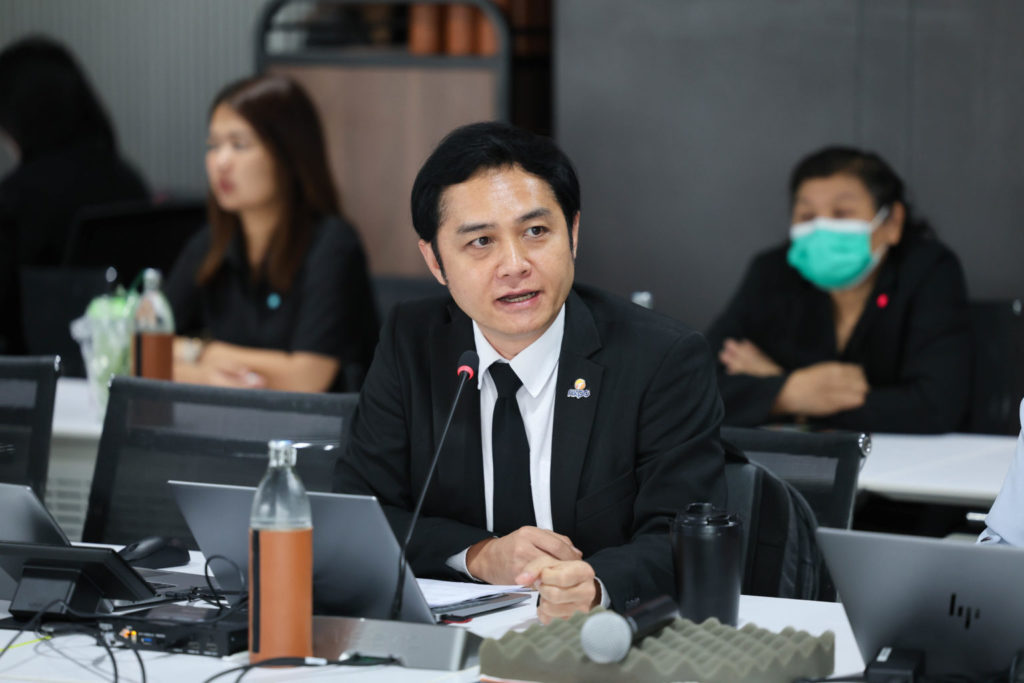
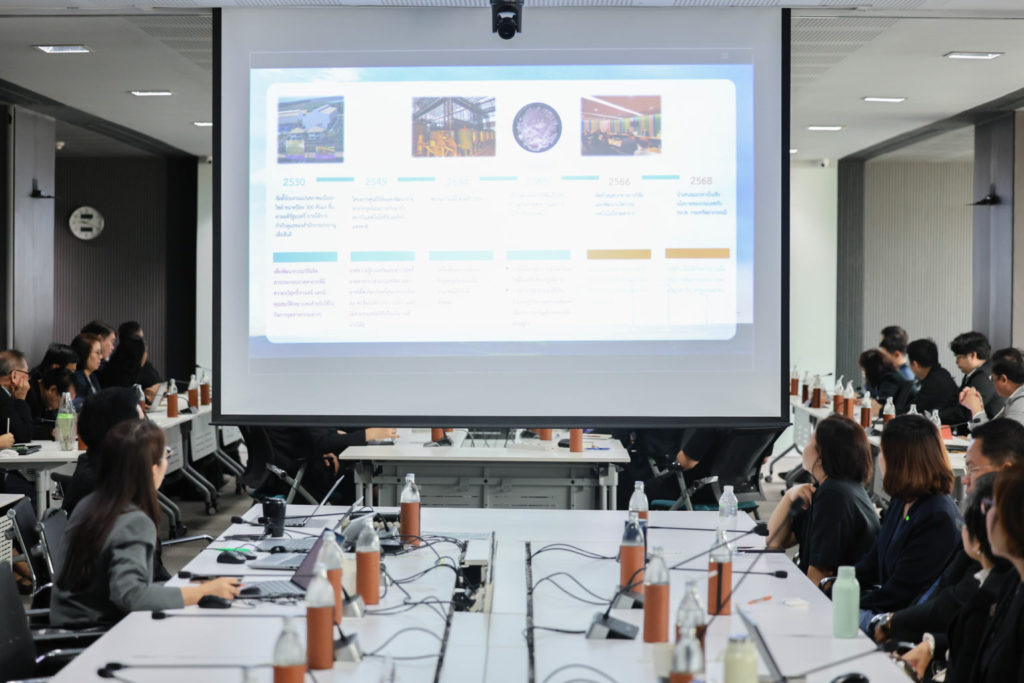
On 20 February 2026, NXPO, in collaboration with the Thailand Institute of Nuclear Technology (TINT), convened a consultative meeting to formulate policy recommendations and strategic directions on rare earth elements for Thailand.
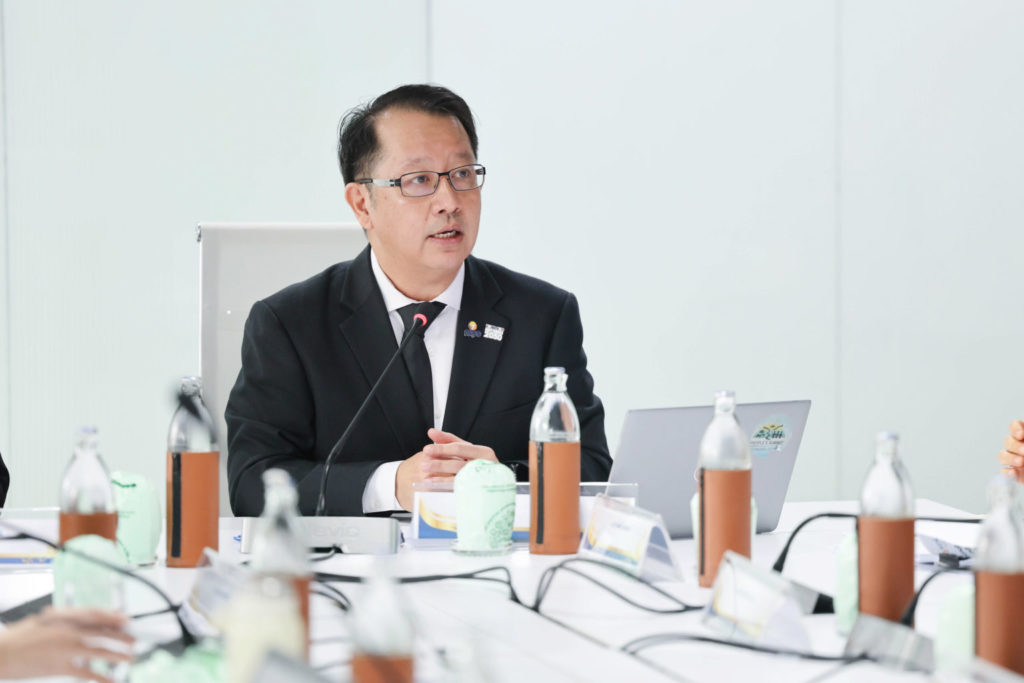
In his opening remarks, Assoc. Prof. Wongkot Wongsapai, Vice President of NXPO, underscored NXPO’s dual mandate in policy: human capital development—particularly workforce preparation to support emerging rare earth industries—and science, research and innovation as key drivers of national development. He emphasized that the science dimension also includes social sciences, humanities, and environmental studies.
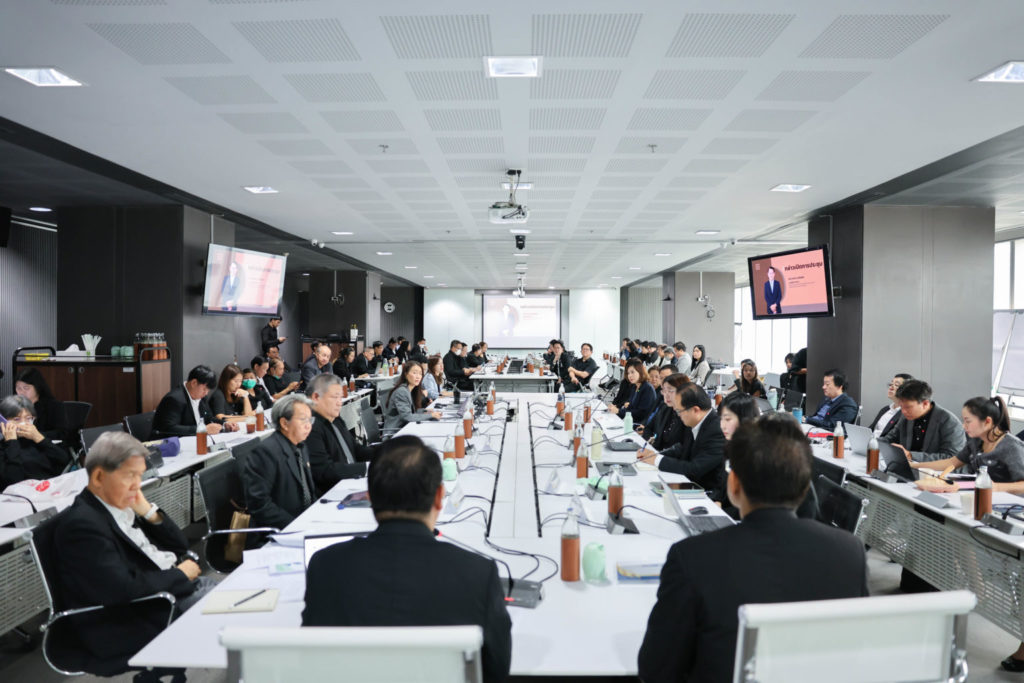
“NXPO seeks input from all sectors to help advance this agenda. Rare earth should be positioned as one of Thailand’s future strategic priorities, as the country requires advanced technologies to strengthen target industries such as semiconductors, electric vehicles, and advanced electronics. Today’s discussions will contribute to the development of concrete policy recommendations,” he stated.
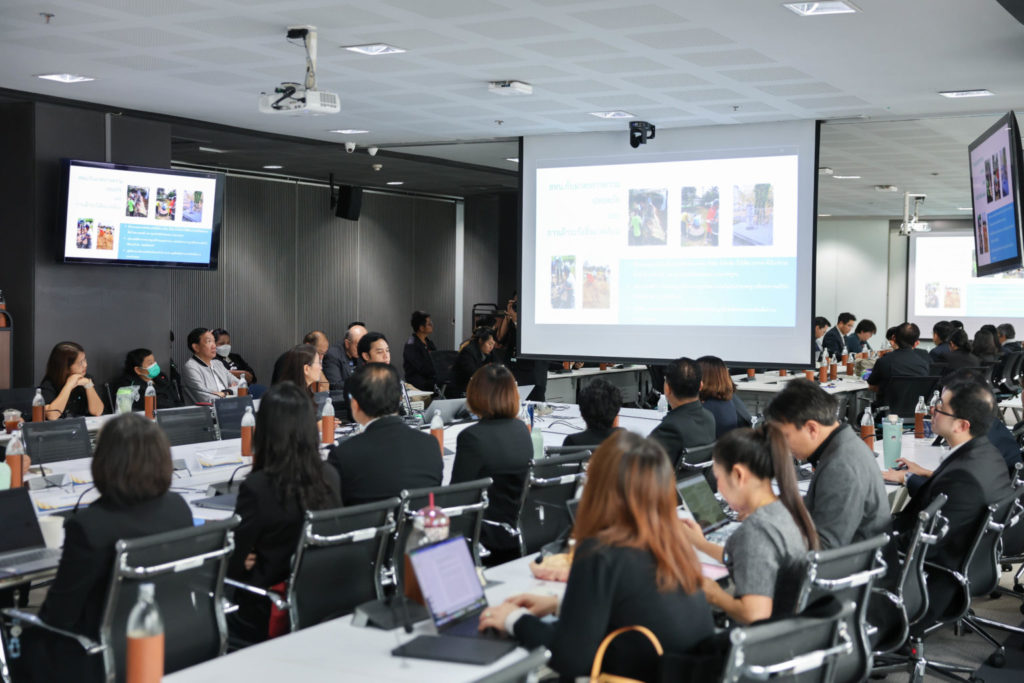
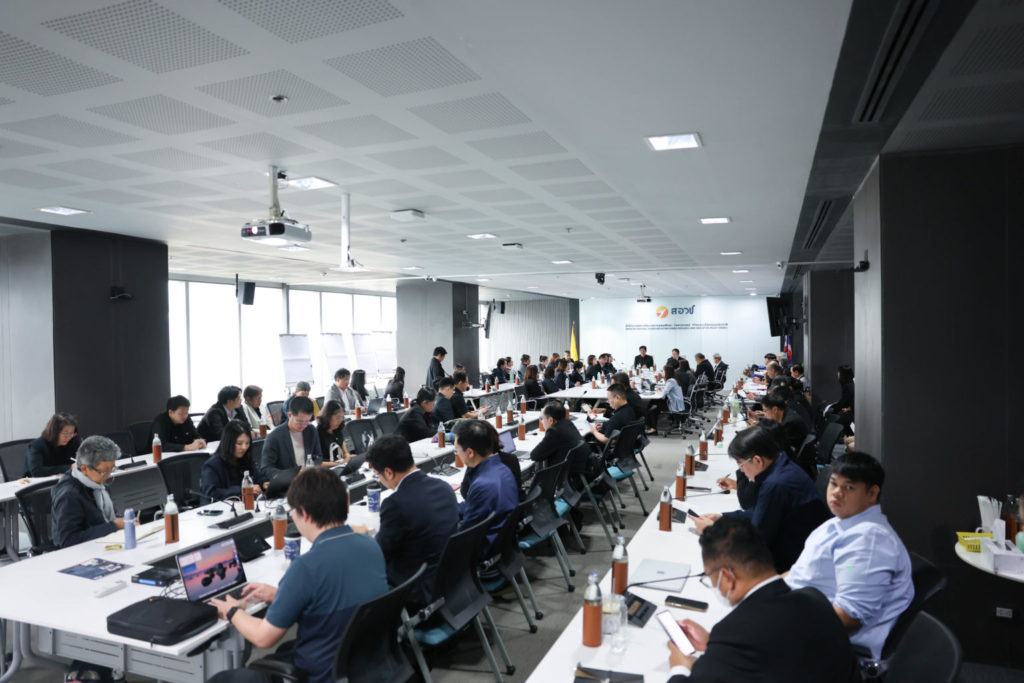
The consultation aimed to: 1) assess Thailand’s opportunities and strategic positioning across the rare earth supply chain—from exploration and extraction to downstream innovation and utilization; 2) develop policy recommendations for research, innovation, and human resource development to support the country’s S-curve and New S-curve industries; 3) explore collaborative mechanisms, including the potential establishment of a national rare earth collaboration center to integrate public-private efforts; and 4) propose regulatory improvements and support measures to remove operational constraints while ensuring environmentally sustainable development. Participants engaged in discussions on key dimensions, including R&D and workforce development, with the objective of advancing rare earths as a national target industry that supports socially responsible, environmentally sustainable, and employment-generating growth.
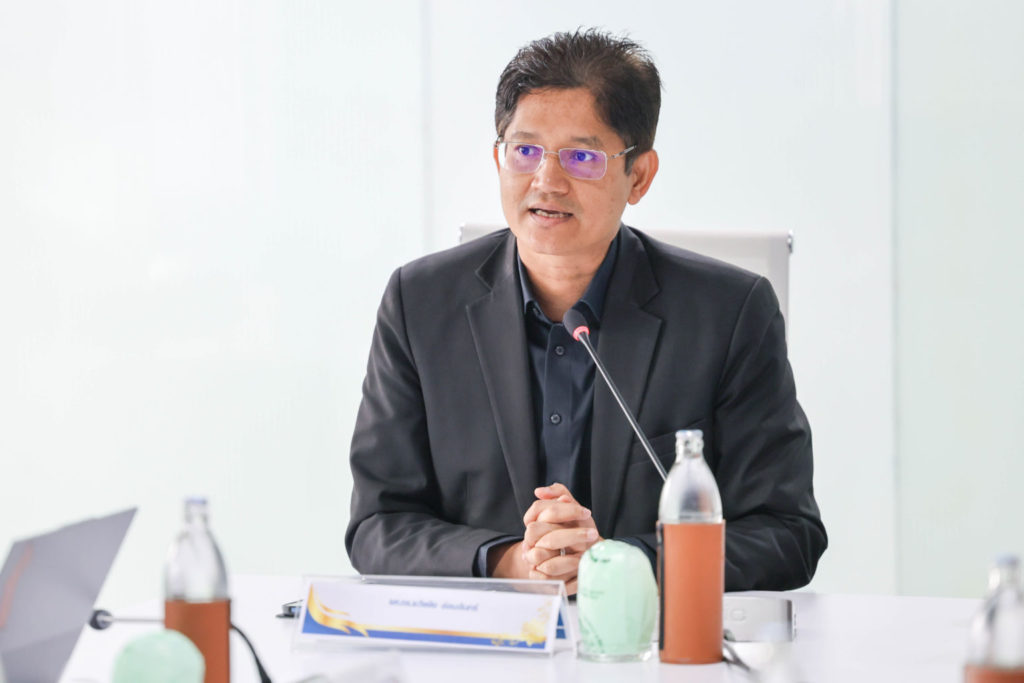
Assoc. Prof. Dr. Thawatchai Onjun, Executive Director of TINT, emphasized that rare earth elements are critical to Thailand’s future. In an era where technology underpins nearly all sectors, technological capability constitutes a competitive advantage and a potential source of geopolitical leverage. He noted that rare earths represent a strategic resource for Thailand, given the country’s resource potential, industry base, technical expertise, and accumulated knowledge. The meeting brought together academia, industry, and relevant stakeholders to initiate structured discussions on applying rare earths in technologies such as smartphones, advanced manufacturing, and extraction processes that produce radioactive by-products with potential applications in green energy.
He further highlighted that Thailand has maintained a long-standing interest in rare earth development, having established a Rare Earth Center in 1987, which was later incorporated into TINT. The institute has since continued to build knowledge and promote applications in industry and agriculture. In recent years, attention has intensified on defining a clearer national direction for rare earth development, making this consultation a timely platform to help shape Thailand’s strategic pathway.
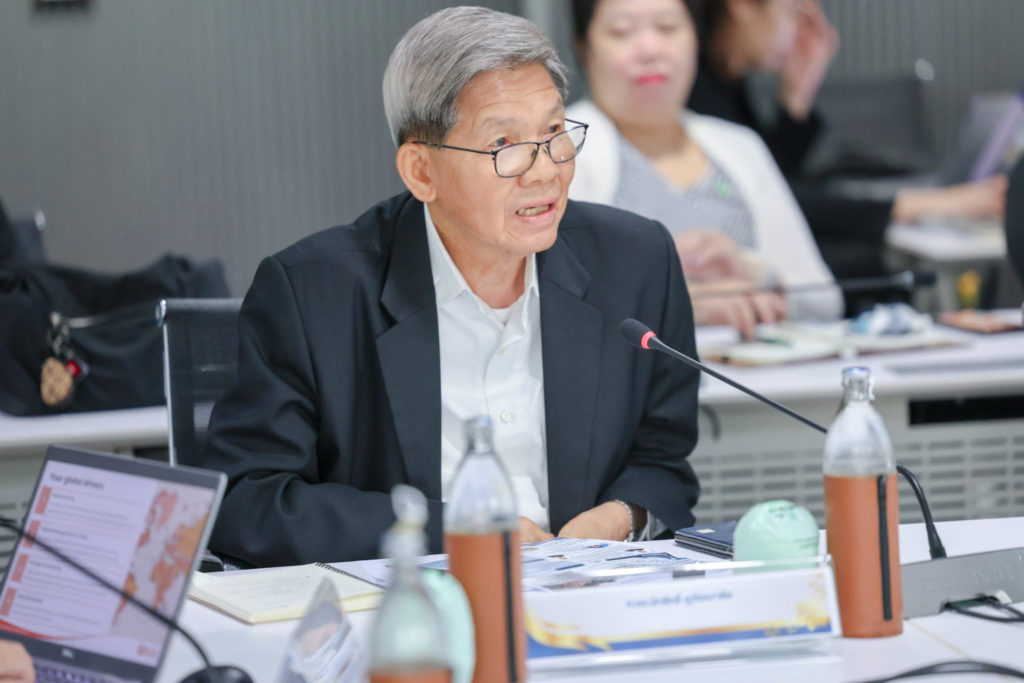
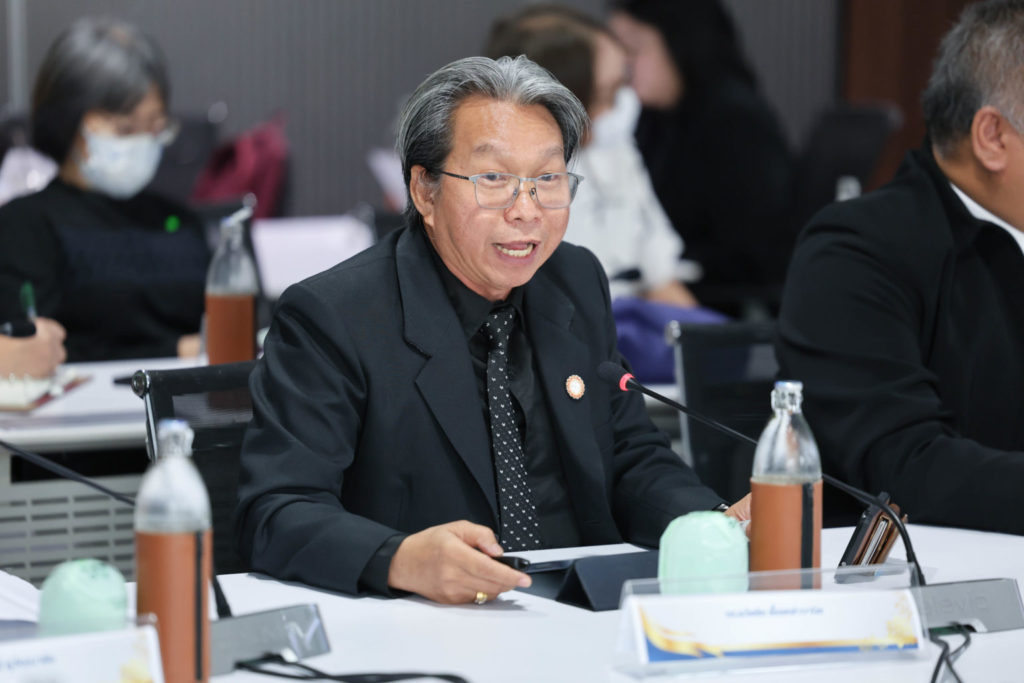
Prof. Dr. Naksitte Coovattanachai, Advisor to NXPO, addressed research and innovation dimensions, noting that Thailand has possessed potential and vision in rare earths for over five decades, particularly in monazite derived from tin ore residues. However, Thailand faces competitiveness challenges and shortages of specialized personnel compared with countries such as China and Malaysia. Advancing policies to foster innovation and develop high-value-added products from existing resources therefore presents a significant opportunity to revitalize the national economy and translate long-standing expertise into tangible commercial and technological outcomes.
The meeting also featured expert presentations from distinguished speakers:
- Dr. Thanya Phraewphiphat, Sector Specialist in Deep Technology, Corporate Venture Capital (SCG), Siam Cement Group;
- Dr. Thawatchai Chuealaowanich, Specialist in Geological Research and Development, Department of Mineral Resources;
- Mr. Prapong Mongkolwit, Mining Engineer, Department of Primary Industries and Mines;
- Dr. Dussadee Rattanaphra, Nuclear Scientist, TINT; and
- Dr. Chaiyod Soontrapa, Head of the Nuclear Licensing Group, Office of Atoms for Peace (OAP)
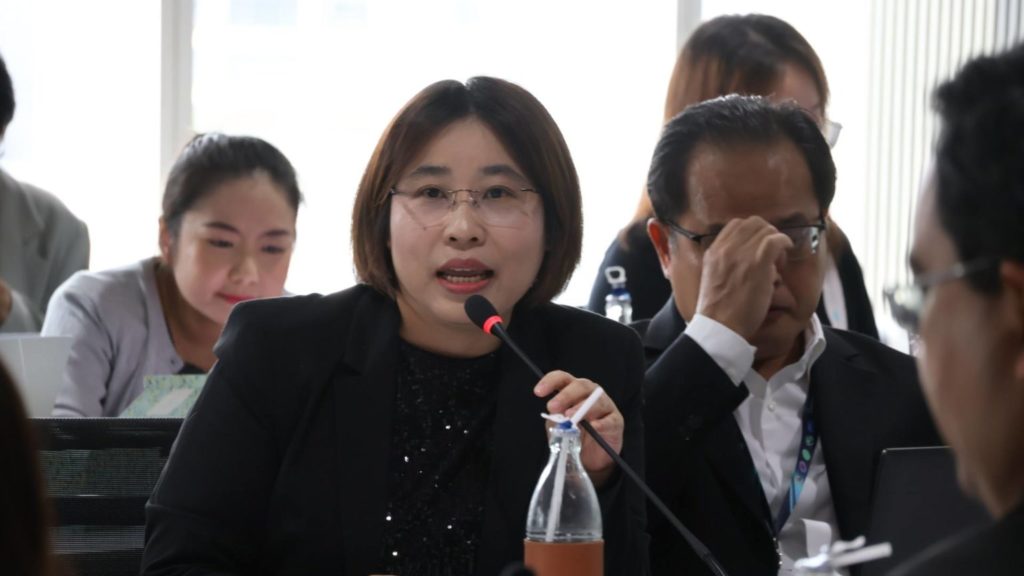
In the afternoon, participants engaged in a brainstorming session to refine draft policy recommendations. Discussions covered resource management, regulatory oversight, R&D promotion, value creation, and environmental sustainability. The session was facilitated by Assoc. Prof. Dr. Somsak Dangtip, Manager of the Advanced Engineering and Nuclear Technology Center at TINT, while Dr. Kanokporn Boonsirichai, Deputy Executive Director of TINT, delivered the closing remarks.
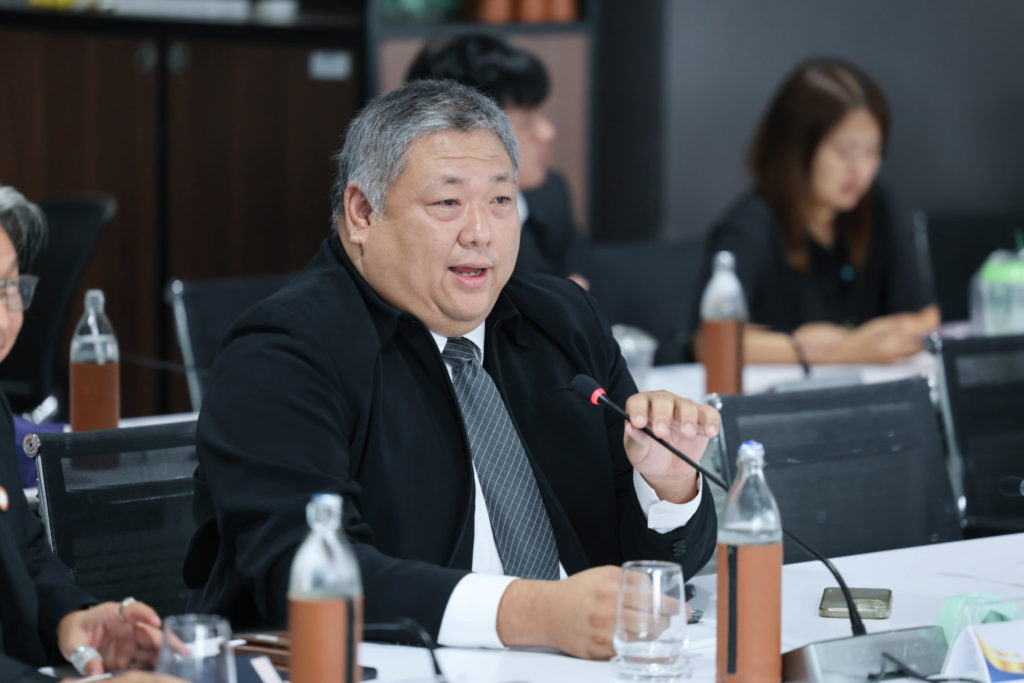
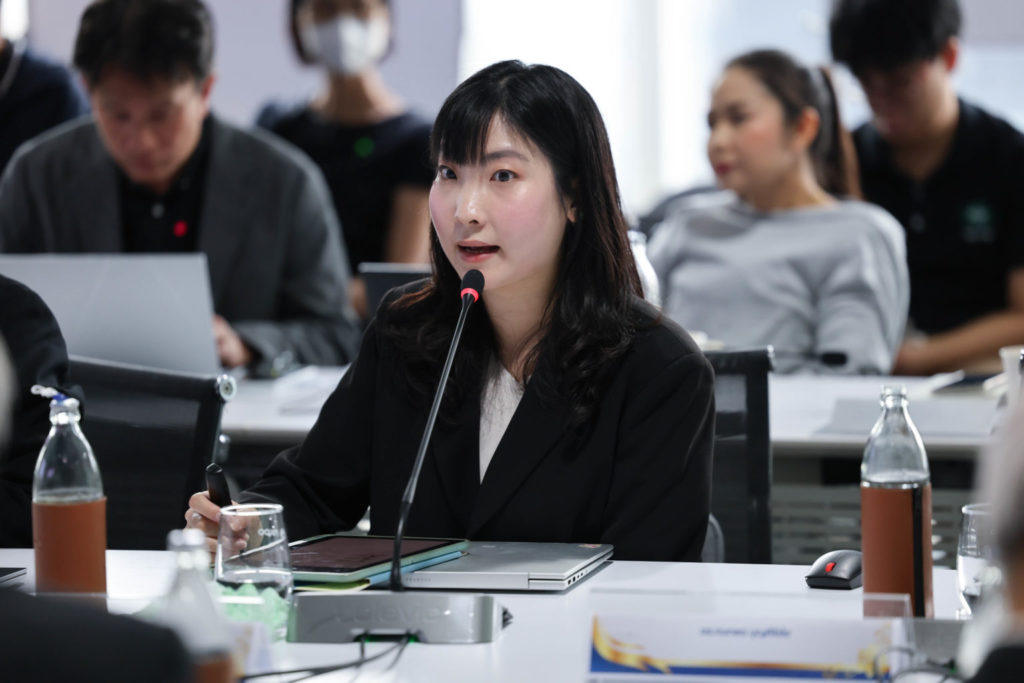
The outcomes of the meeting will be consolidated into formal policy recommendations to serve as a strategic framework for Thailand’s rare earth development—strengthening resource security and enhancing the country’s competitiveness in advanced technology industries.