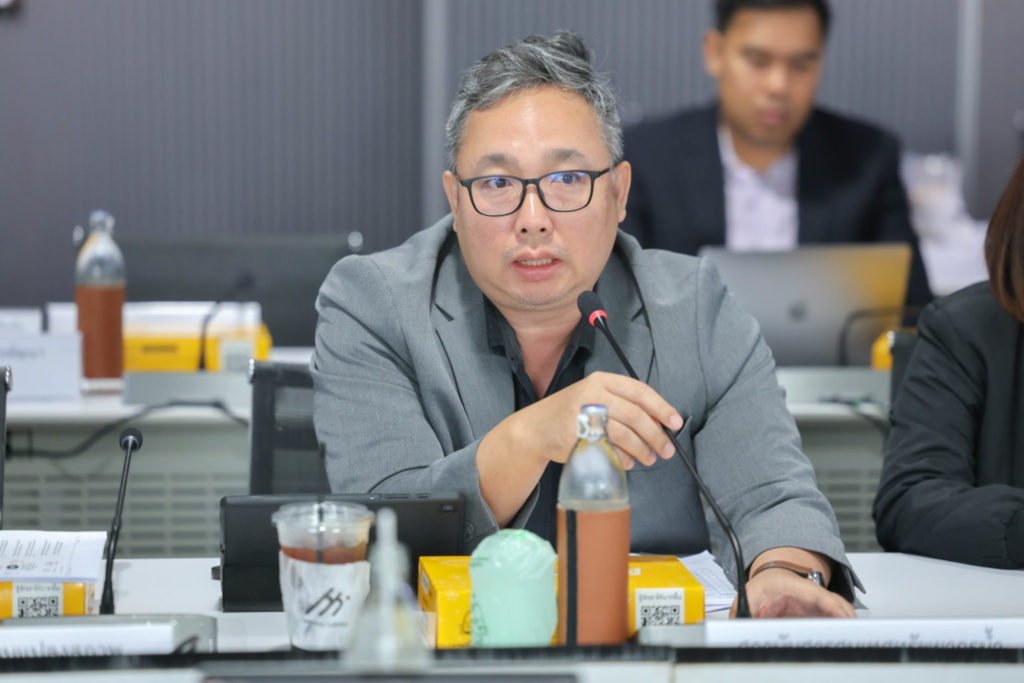
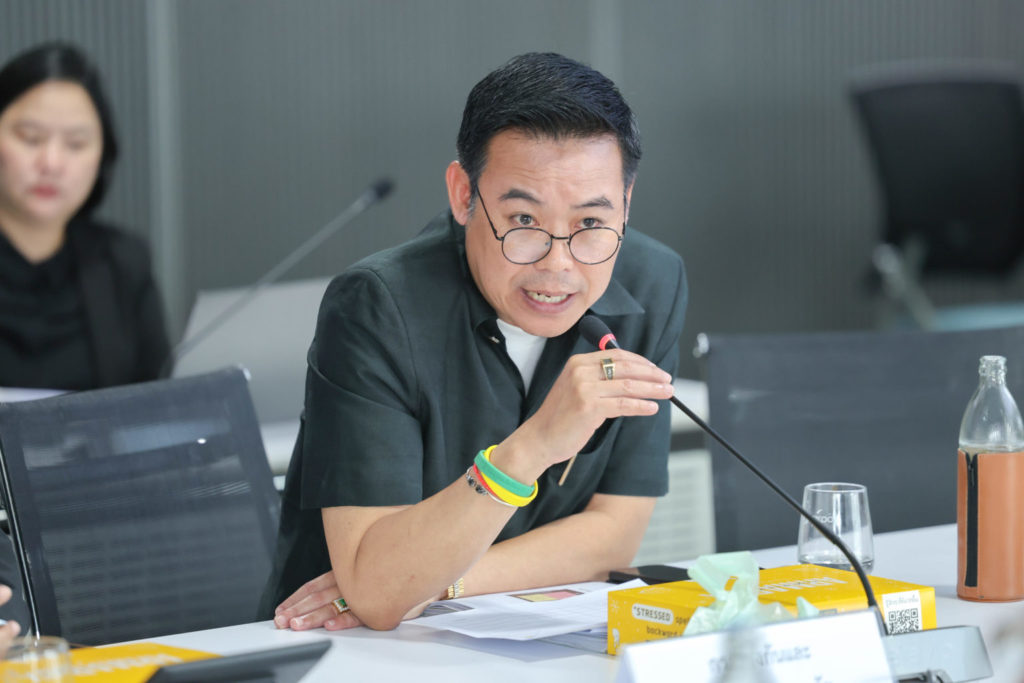
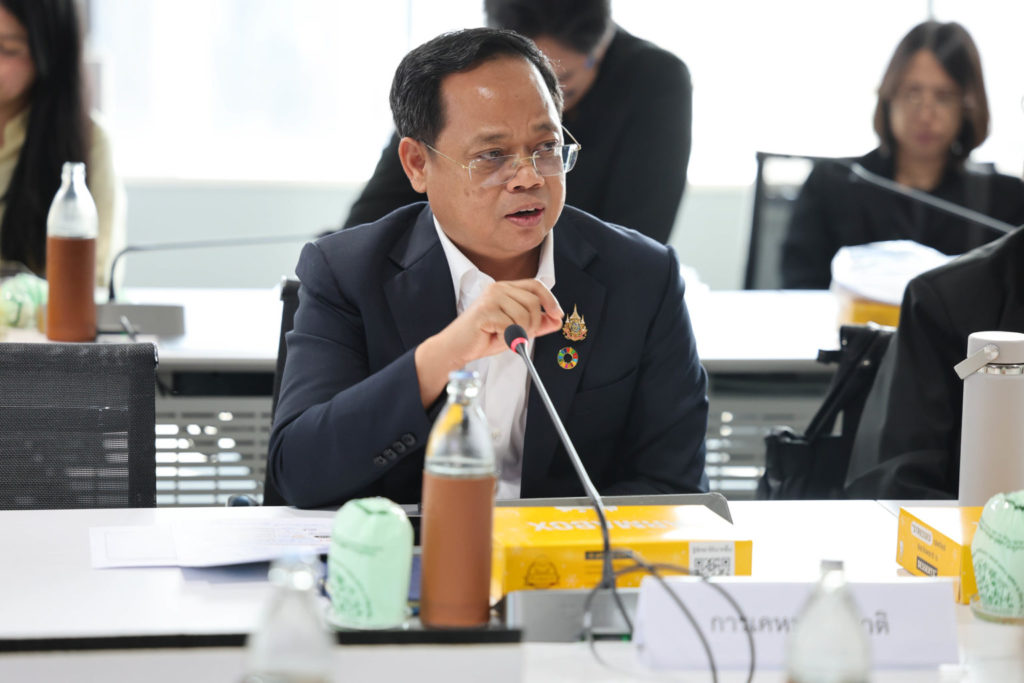
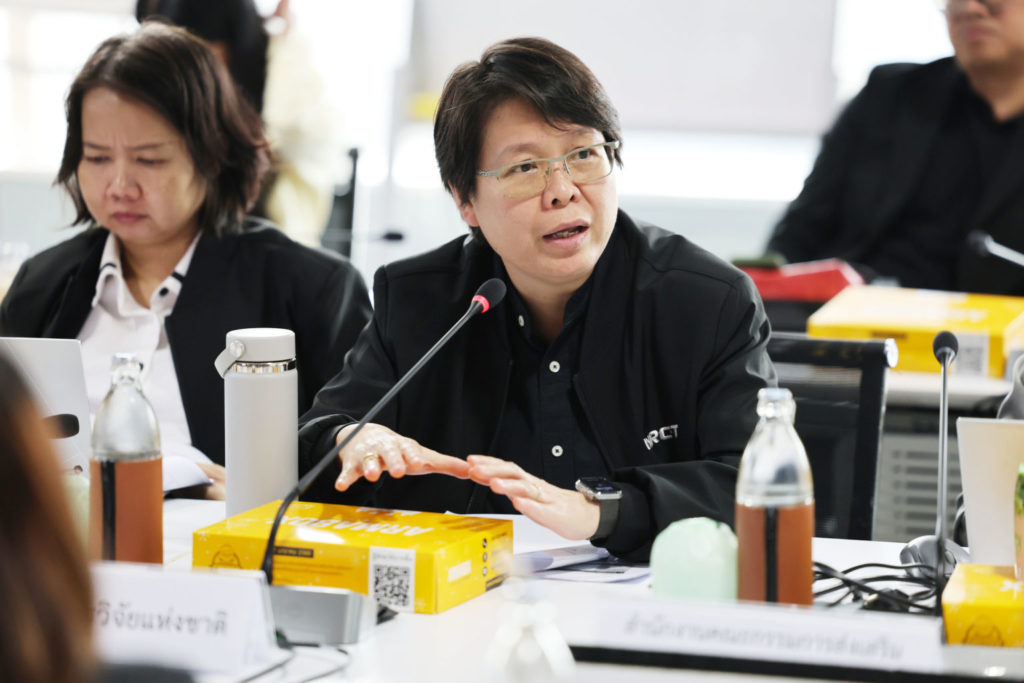
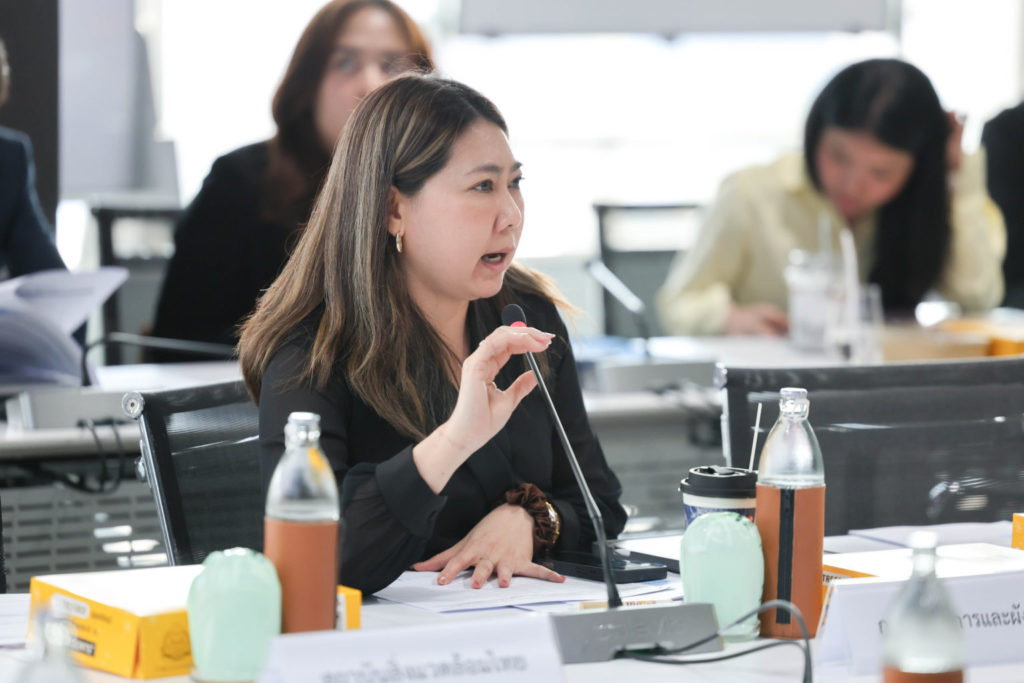
On 23 February 2026, NXPO convened a meeting of the Adaptation Working Group under the second Thailand Technology Needs Assessment (TNA) project. The TNA is conducted within the framework of the United Nations Framework Convention on Climate Change (UNFCCC), with the United Nations Environment Programme (UNEP) serving as the implementing agency. The meeting comprised two thematic sessions: Water Resources Management in the morning and Human Settlements and Human Security in the afternoon.
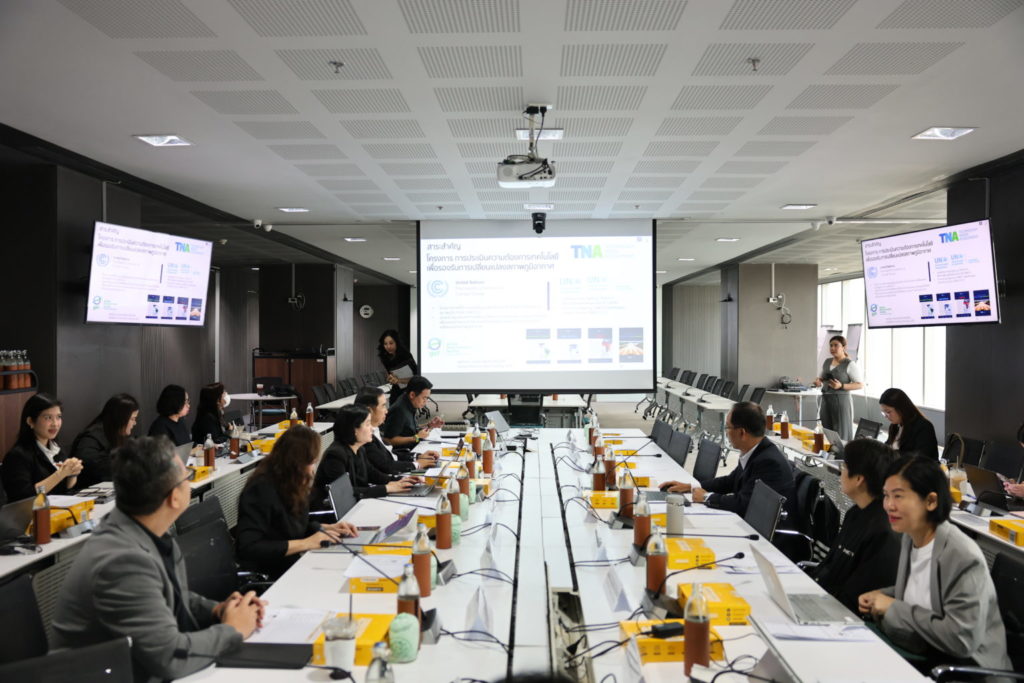
Thailand has placed increasing emphasis on climate change response, particularly on adaptation measures aimed at reducing vulnerability and strengthening resilience to the intensifying impacts of climate change. Adaptation is closely linked to national security, encompassing water security, public health, community and urban safety, and overall quality of life. Thailand has formulated its National Adaptation Plan (NAP) and is accelerating the systematic identification and promotion of appropriate technologies. These efforts will help articulate the country’s technological needs at the international level and unlock opportunities for financial support, capacity building, and technology transfer.
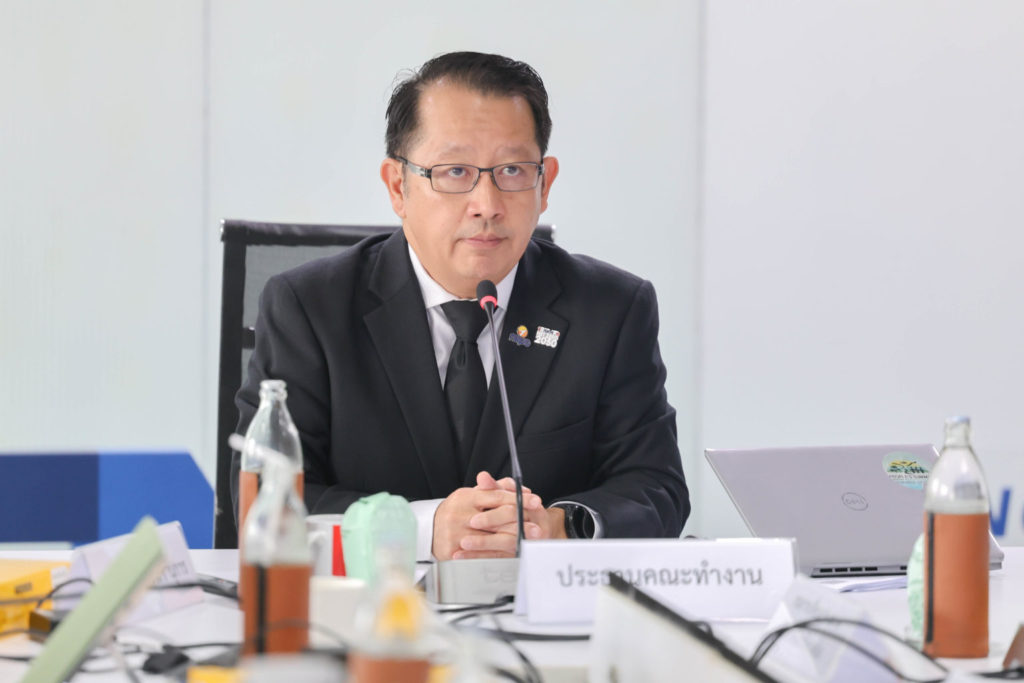
The meeting was chaired by Assoc. Prof. Wongkot Wongsapai, Vice President of NXPO, who led discussions for both sectors. He underscored the strategic importance of the TNA report for Thailand and highlighted the role of the working groups in providing technical inputs to support the prioritization of adaptation technologies in alignment with national circumstances. This process is integral to advancing the National Adaptation Plan, which is structured into three implementation phases: short-term (2023–2027), medium-term (2028–2032), and long-term (2033–2037). The objective is to ensure that selected technologies effectively address climate risks and can be scaled up at both local and national levels.
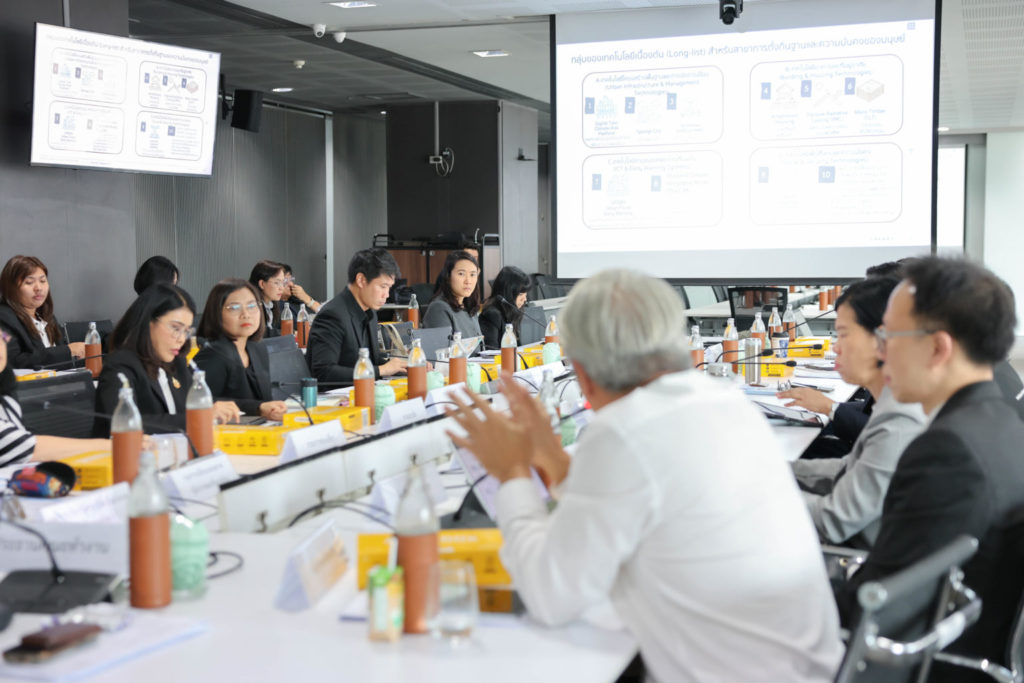
The meeting brought together representatives from key stakeholder groups, including government agencies, the private sector, financial institutions, and academia, to exchange views and provide recommendations.
Key outcomes of the meeting included the review and prioritization of an initial longlist of technologies for both sectors, based on criteria established by UNEP. Inputs and recommendations from working group members will be incorporated to refine and consolidate a shortlist of priority technologies for the next phase of the TNA process.
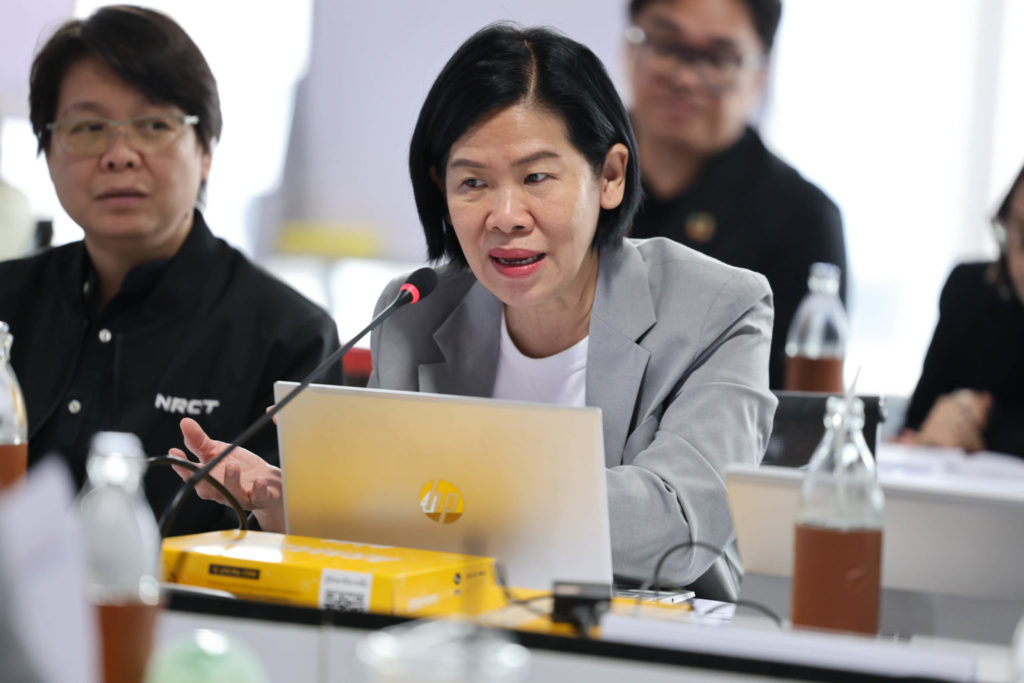

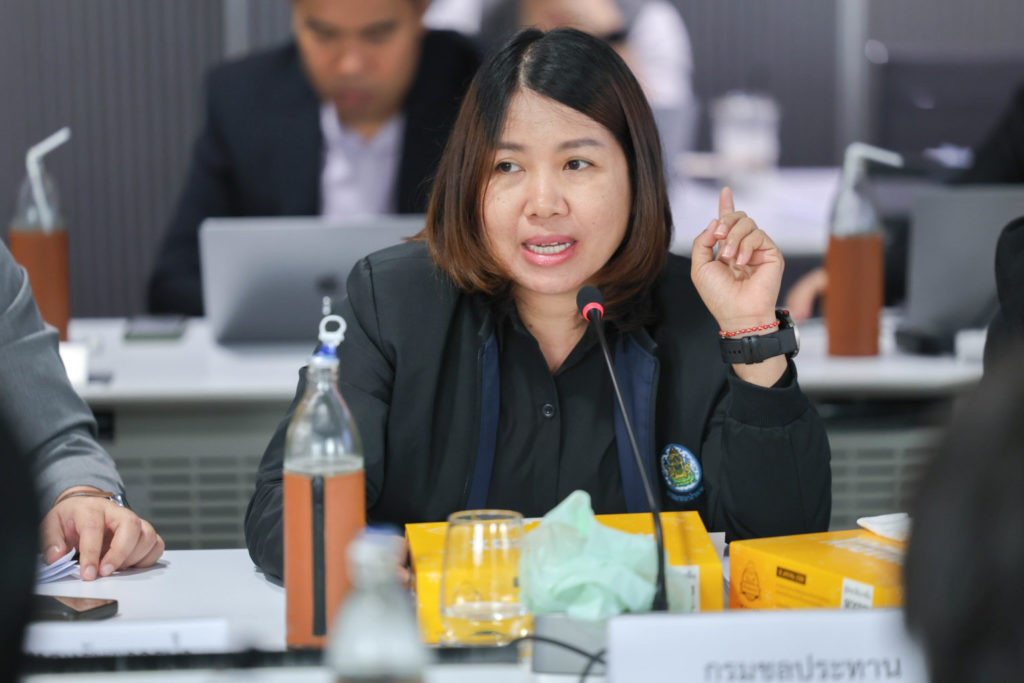
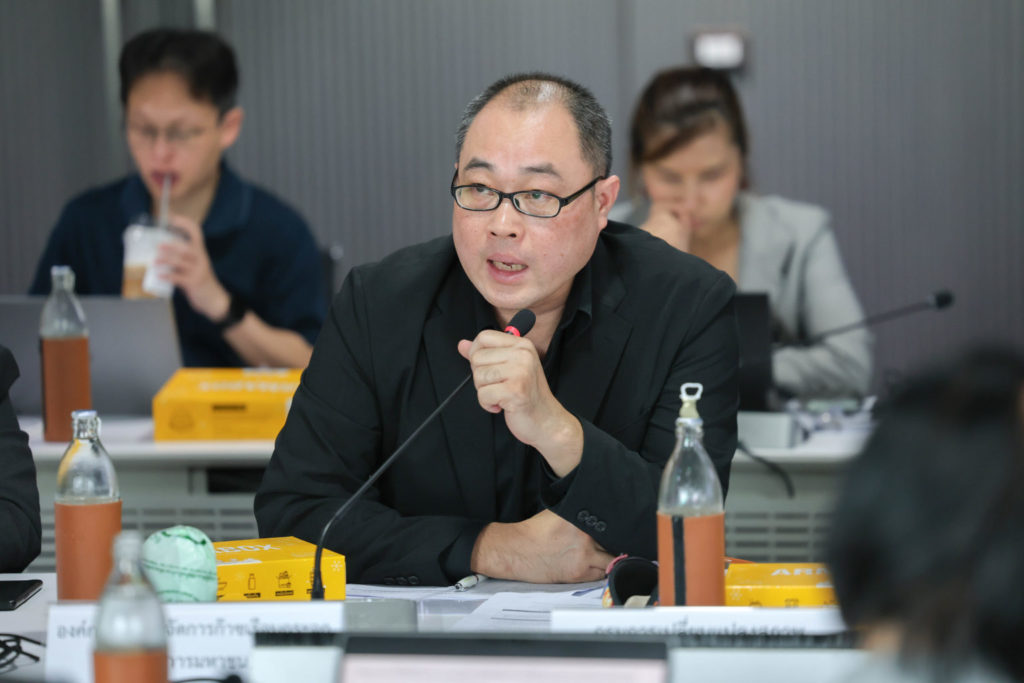
This meeting marked the inaugural session of the Adaptation Working Group under Thailand’s second TNA project. The outcomes will be submitted to the TNA Steering Committee for further consideration.