In an era when modern universities are evolving beyond their traditional roles as producers of graduates and generators of academic knowledge, they are increasingly becoming “value creators” within the real economy. The University Holding Company (UHC) mechanism has emerged as a strategic instrument to enable this transformation.
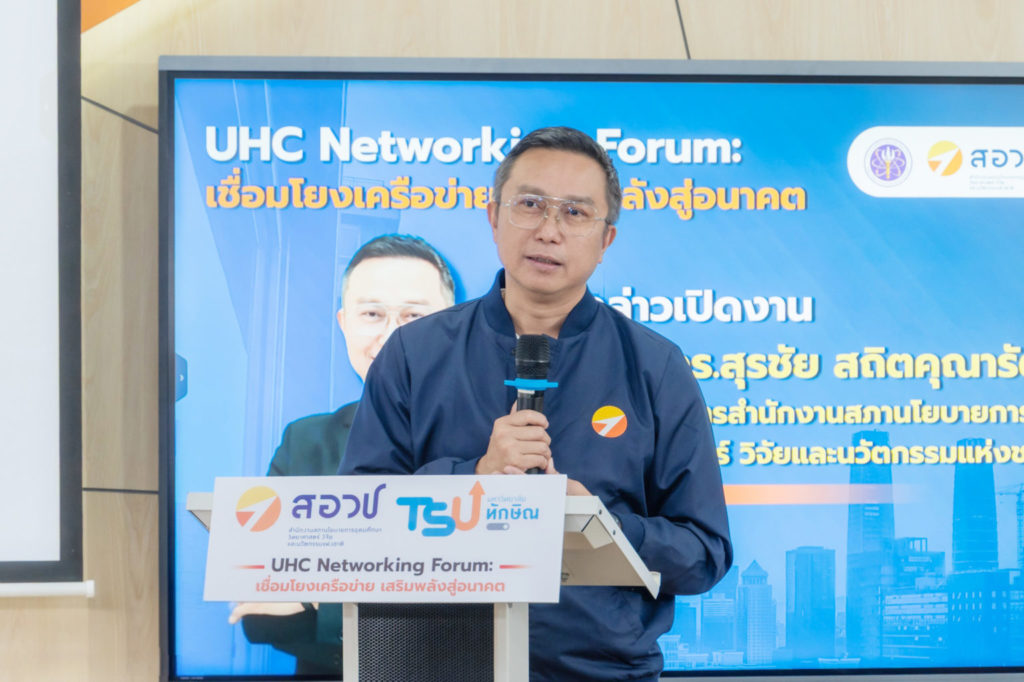
Dr. Surachai Sathitkunarat, President of NXPO, explained that UHC serves as a vital bridge between university research and the business sector. Through this mechanism, universities are empowered to establish holding companies that can flexibly manage investments in startups and spin-offs originating from their research. As a result, innovations no longer remain confined to laboratories but can be translated into commercial applications, generating tangible benefits for universities, industry, and the broader national economy.

At the institutional level, UHC acts as an effective vehicle for technology transfer. It creates pathways for faculty members, researchers, and students to transform their research into viable businesses, cultivate an entrepreneurial culture, strengthen the innovation ecosystem, and generate sustainable revenue streams—thereby reducing reliance on government funding. For private companies and investors, UHC provides direct access to technologies and academic expertise, while mitigating early-stage investment risks through co-investment arrangements. Nationally, the mechanism supports the growth of innovation-driven enterprises, the creation of high-quality jobs, and the enhancement of Thailand’s overall competitiveness.

Dr. Surachai further emphasized NXPO’s central role in shaping policies to ensure the effective implementation of UHC. NXPO has developed policy frameworks and operational guidelines for universities, advocated for regulatory reforms under the Prime Minister’s Office regulations on public-private partnerships to remove legal constraints, and promoted knowledge-sharing platforms such as UHC Learn & Share and the UHC Network.
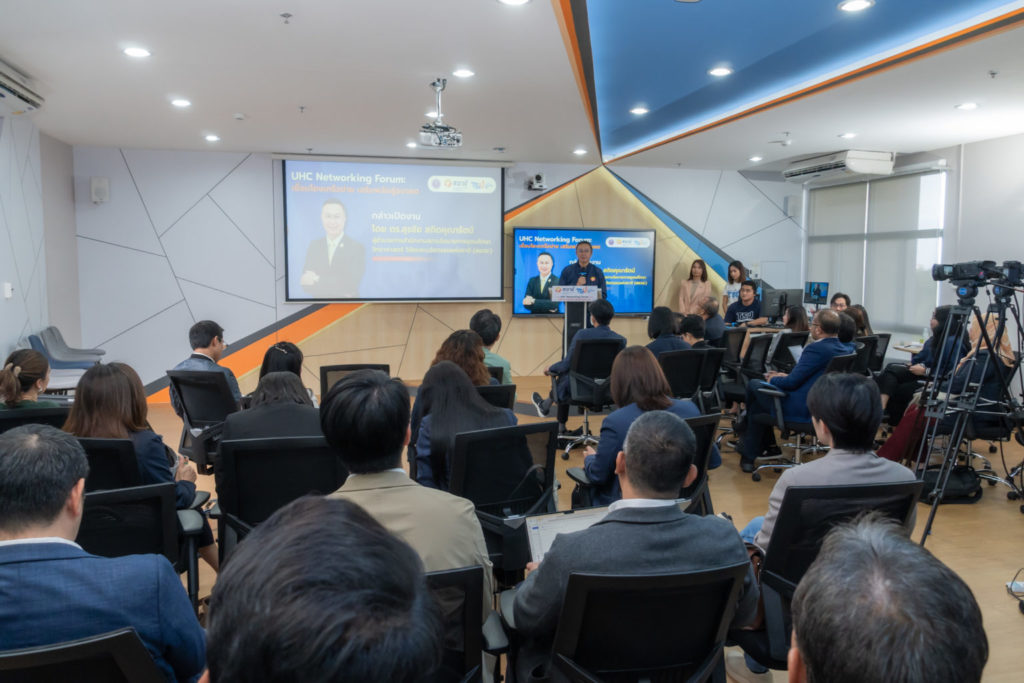
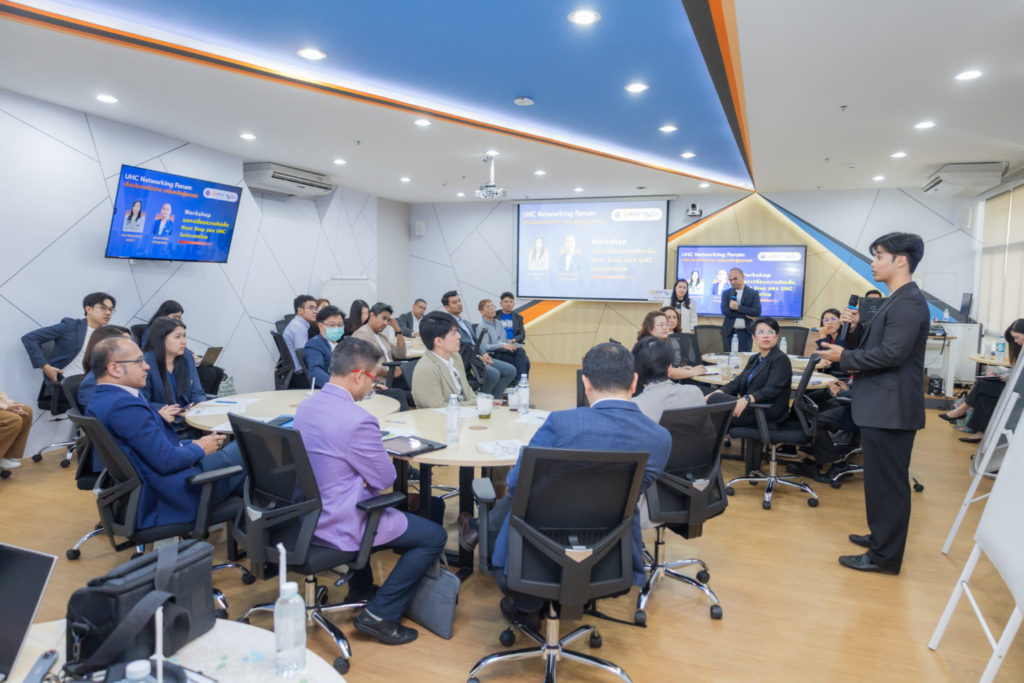
To date, 12 UHCs have been established nationwide, with a combined registered capital exceeding 500 million THB. These entities have co-invested in more than 110 innovation-based enterprises, primarily in sectors aligned with Thailand’s targeted industries, including digital technology, health tech, smart agriculture, and clean energy. Beyond financial outcomes, the UHC mechanism has strengthened universities’ intellectual property and investment management systems, fostered a more proactive technology transfer culture, and inspired academic personnel to pursue innovation-driven entrepreneurship.

Dr. Surachai outlined three key priorities for the next phase of UHC development:
- Enhancing the capabilities of UHC teams through advanced training in investment, technology valuation, and risk management, alongside the engagement of professional experts during early-stage operations;
- Increasing the investment readiness of research outputs by encouraging industry–academia co-creation and establishing matching fund mechanisms to accelerate market entry for high-potential innovations; and
- Promoting systemic collaboration between universities and the private sector through Corporate–Startup and Reverse Pitching initiatives, enabling large corporations to define challenges and partner with university research teams or startups.

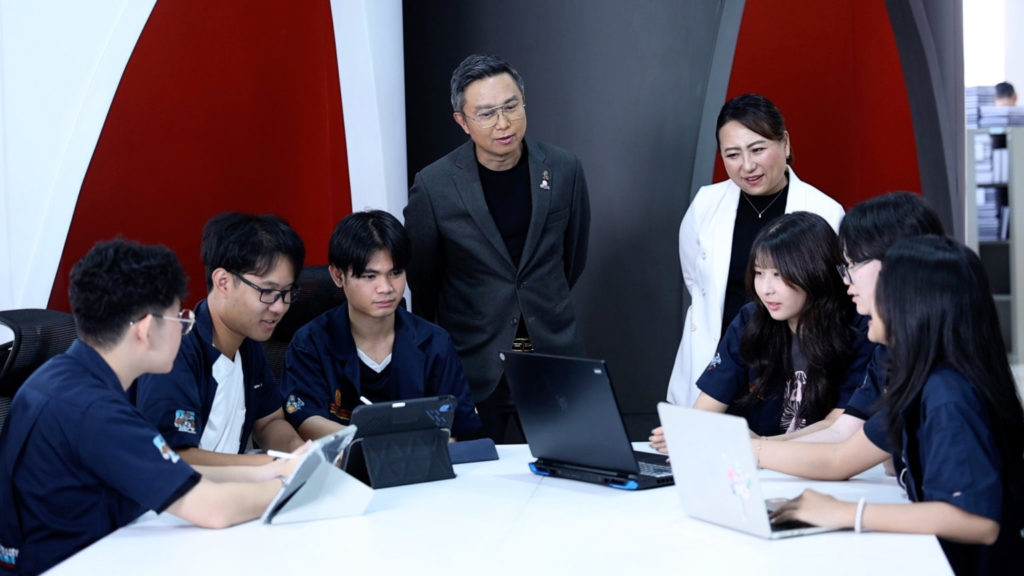
Assist. Prof. Dr. Rutchanee Gullayanono, Executive Vice President for Innovation and Global Engagement at King Mongkut’s Institute of Technology Ladkrabang (KMITL), noted that many researchers and students aspire to establish their own ventures or bring innovations into real-world applications. As a legal entity operating outside the traditional framework, a UHC significantly enhances flexibility in business operations and investment management.

She identified three primary challenges in establishing UHCs: ensuring a clear understanding among university leaders of the strategic role of UHC; developing personnel with integrated academic and business expertise; and aligning organizational culture and regulations to enable effective coordination between the university and its holding company. Support from NXPO has been instrumental in advancing the mechanism, particularly through policy formulation, regulatory facilitation, and experience-sharing platforms under UHC Learn & Share and the UHC Network.
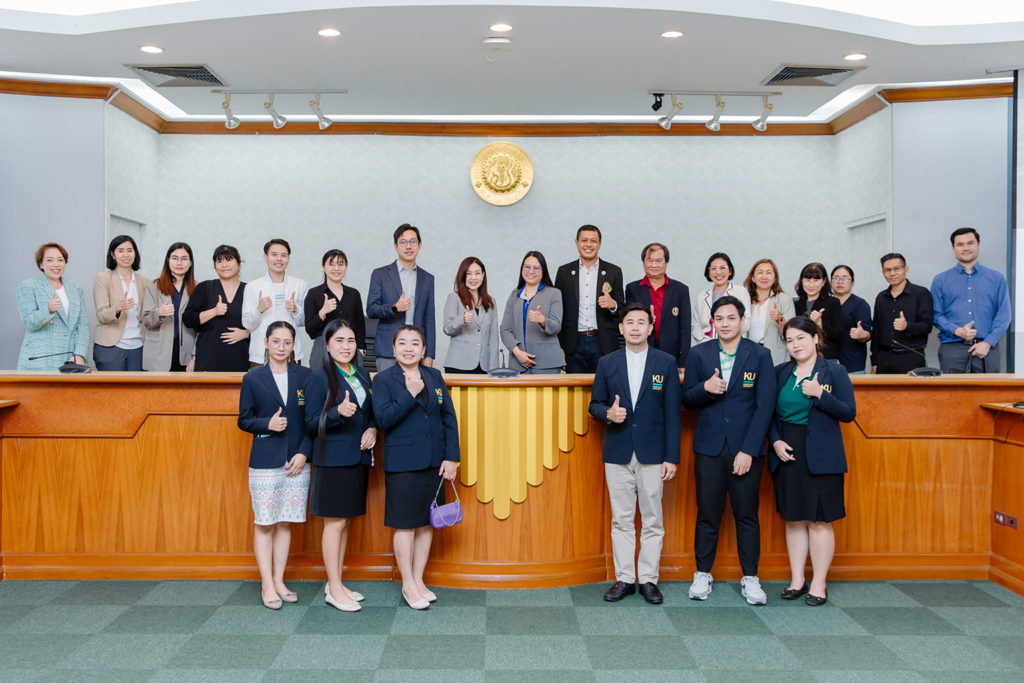
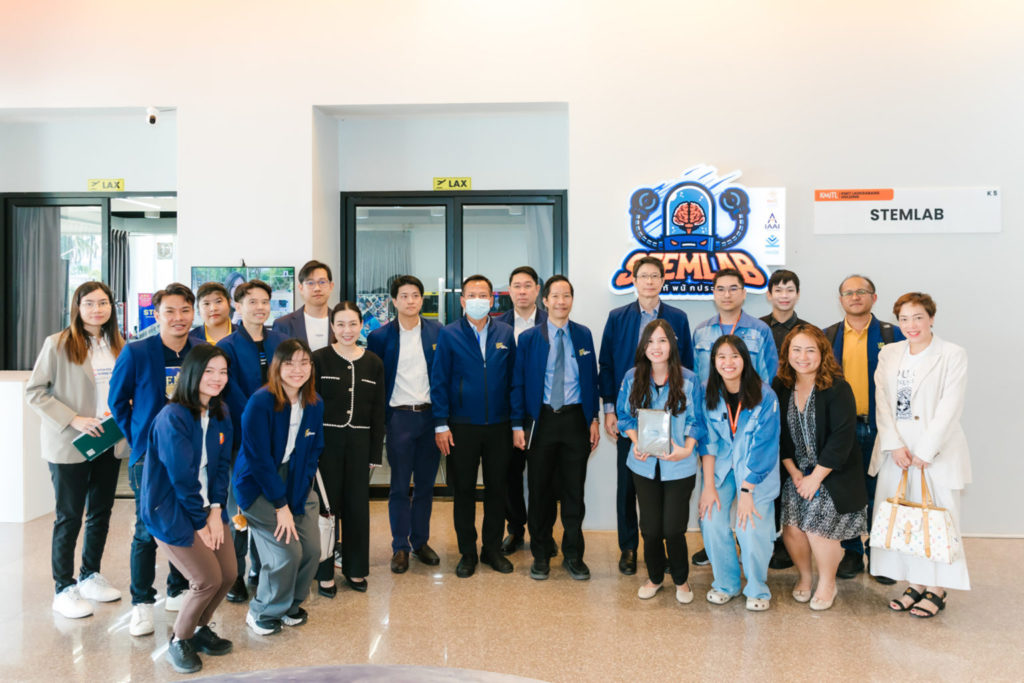
At KMITL, examples of spin-offs under its UHC include a graphene company developing advanced materials domestically to reduce imports, and STEM Lab—founded by an alumnus with experience working with NASA—which develops STEM kits enabling secondary school students to design and build satellites and robots.
“The value of UHC extends beyond economic indicators. It embodies educational and cultural impact by cultivating an innovation-driven entrepreneurial mindset among the younger generation. We invite universities nationwide to join us in nurturing innovators, creating impactful innovations, and driving Thailand’s economy forward through the University Holding Company mechanism,” Dr. Rutchanee concluded.