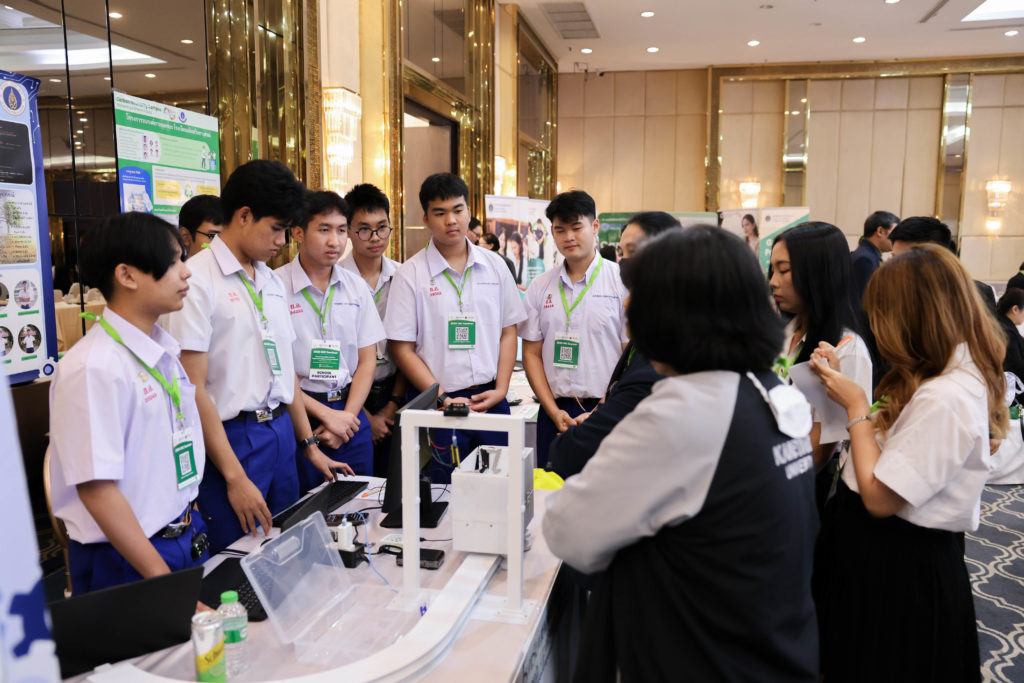
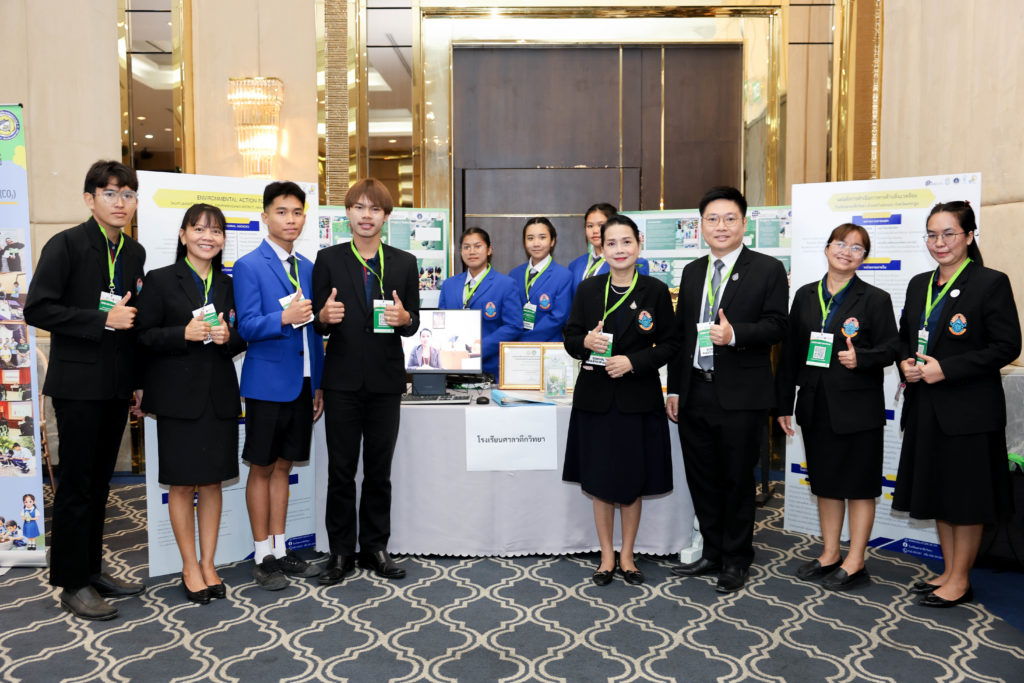
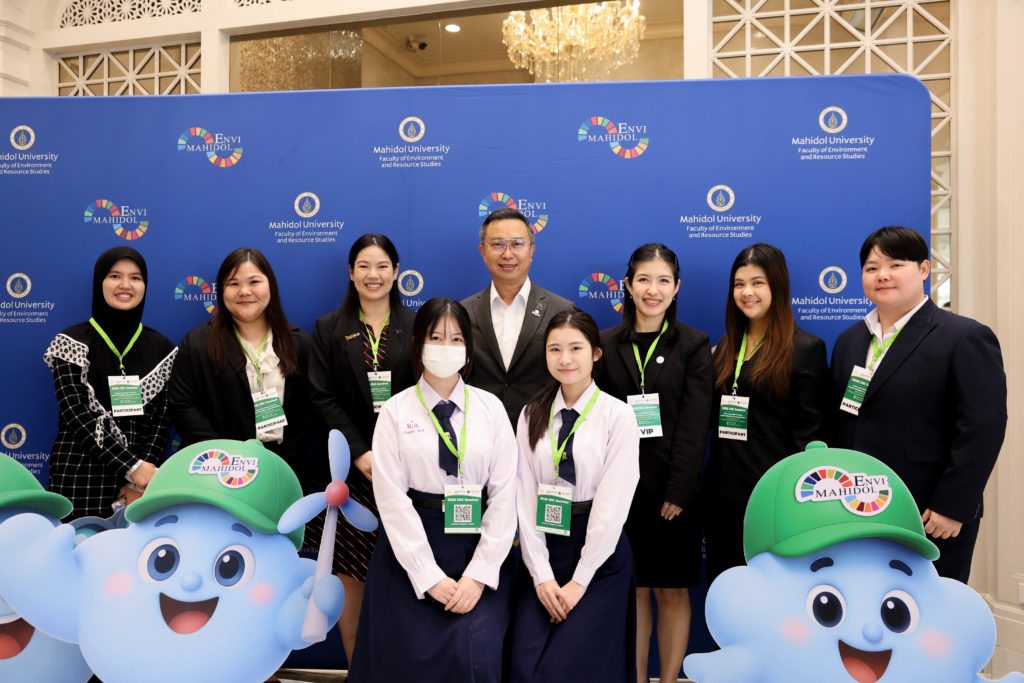
On 9 February 2026, NXPO co-hosted the 2026 Carbon Neutrality Campus Seminar under the theme “Carbon Neutrality in Action: Regional Insights, Local Innovations – From Campus to City.” The seminar was organized in collaboration with Mahidol University and the United Nations Economic and Social Commission for Asia and the Pacific (UNESCAP), with the objective of strengthening the role of higher education institutions in advancing Thailand’s net-zero emissions pathway.
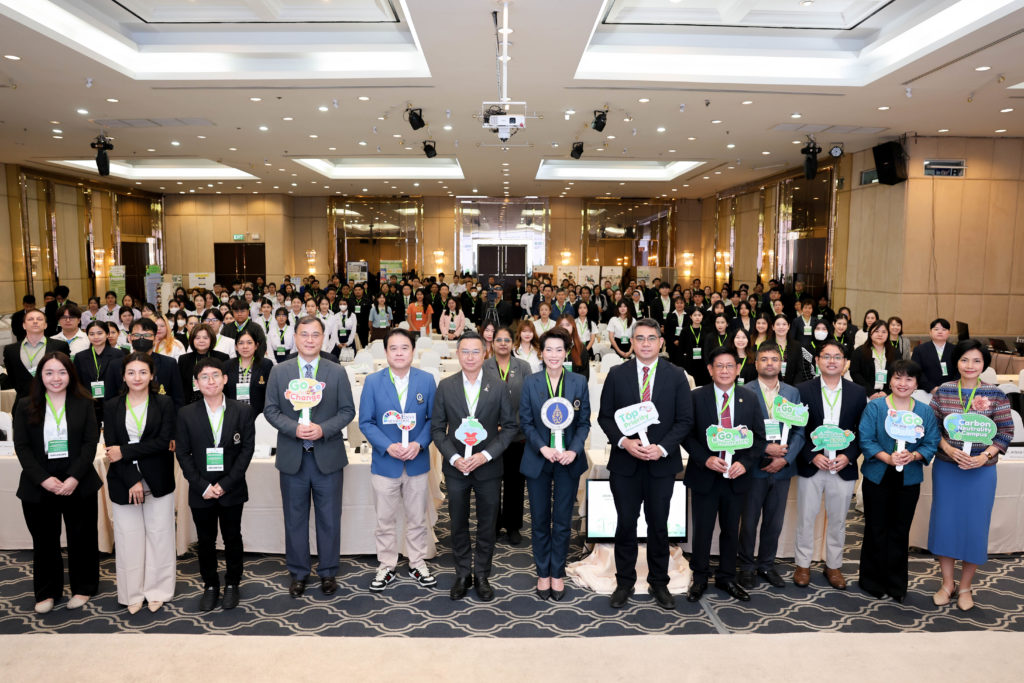
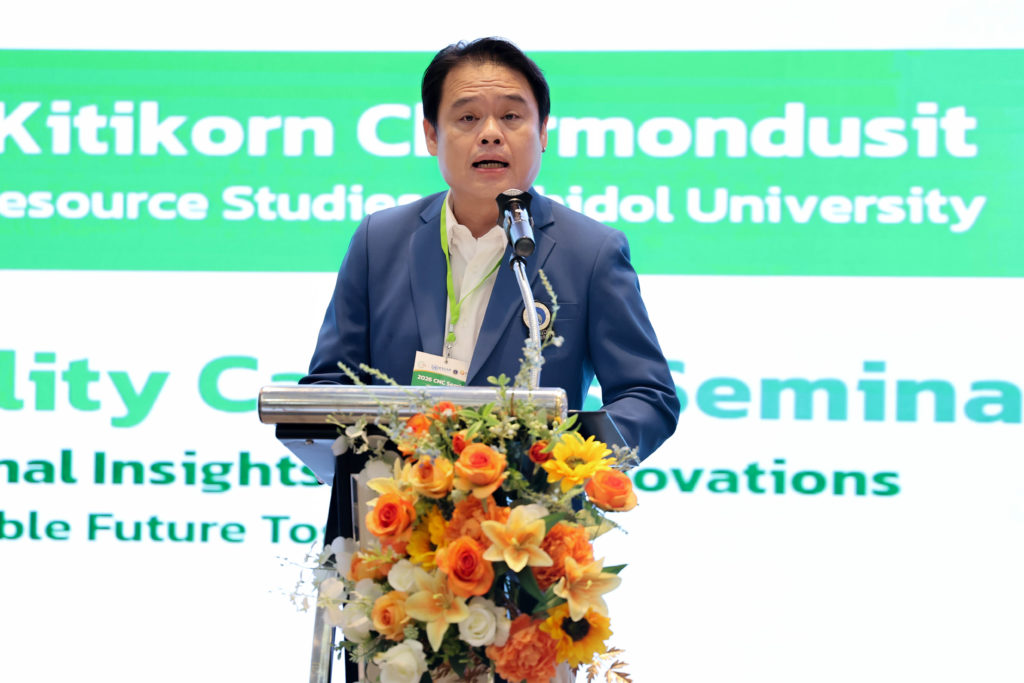
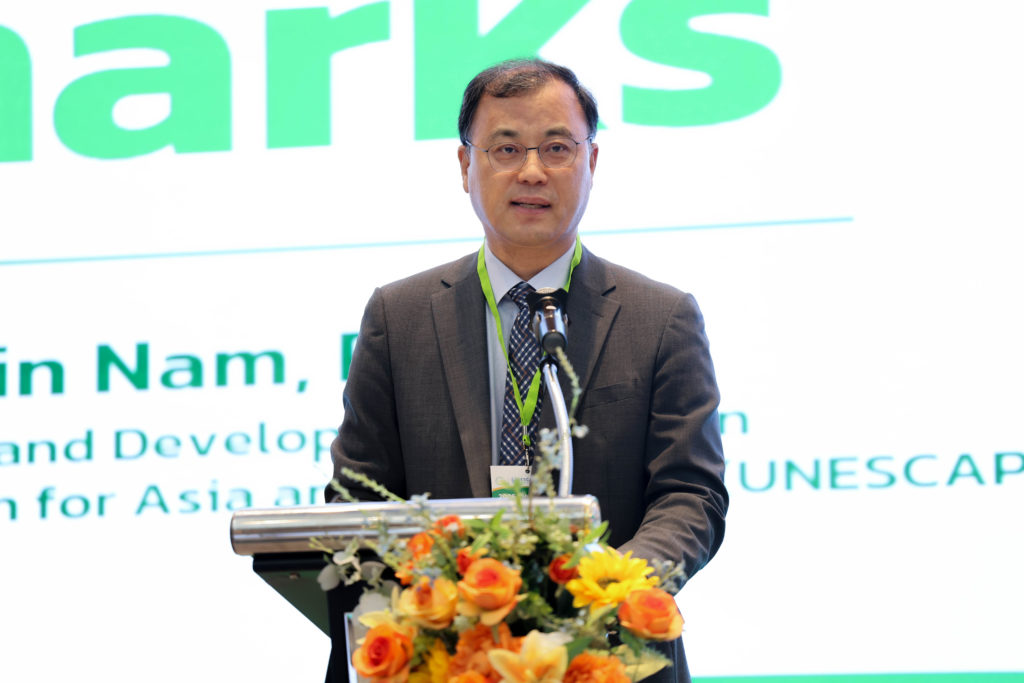
The event brought together senior representatives from academia, policy agencies, and international organizations, including Prof. Dr. Nopraenue Sajjarax Dhirathiti, Vice President for Global Partnerships and University Council of Mahidol University; Assoc. Prof. Dr. Kitikorn Charmondusit, Dean of the Faculty of Environment and Resource Studies, Mahidol University; and Dr. Sangmin Nam, Director of the Environment and Development Division at UNESCAP.
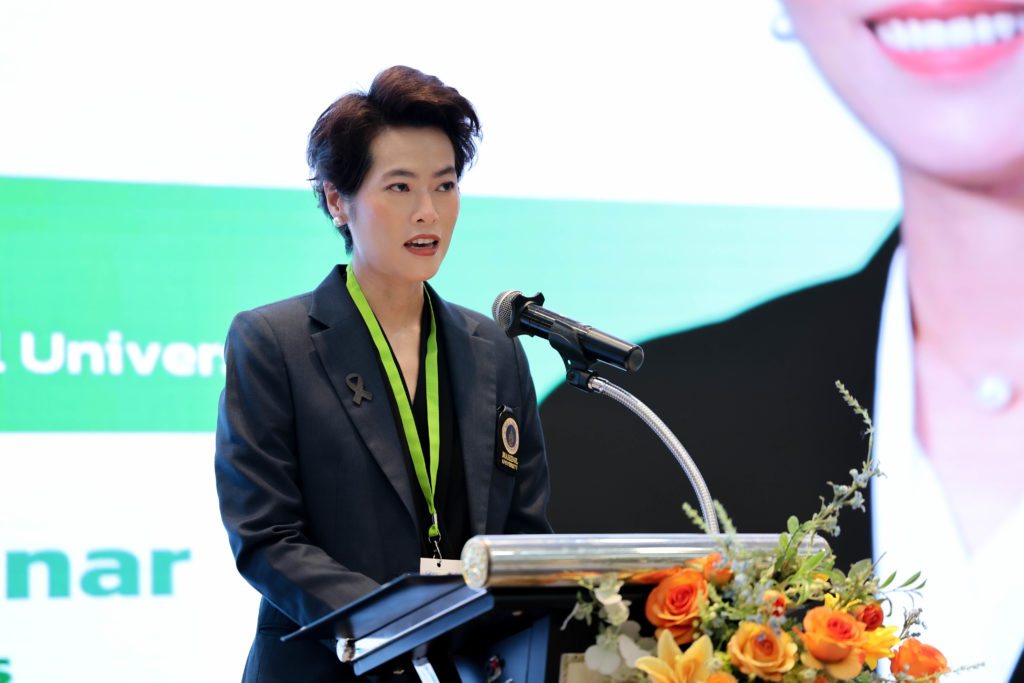
In his opening remarks, Dr. Surachai Sathitkunarat, President of NXPO, emphasized that the seminar reflects strategic collaboration among national policy agencies, universities, and the United Nations in advancing the Asia–Pacific climate agenda. He noted that climate change has become a defining challenge shaping national development pathways worldwide.
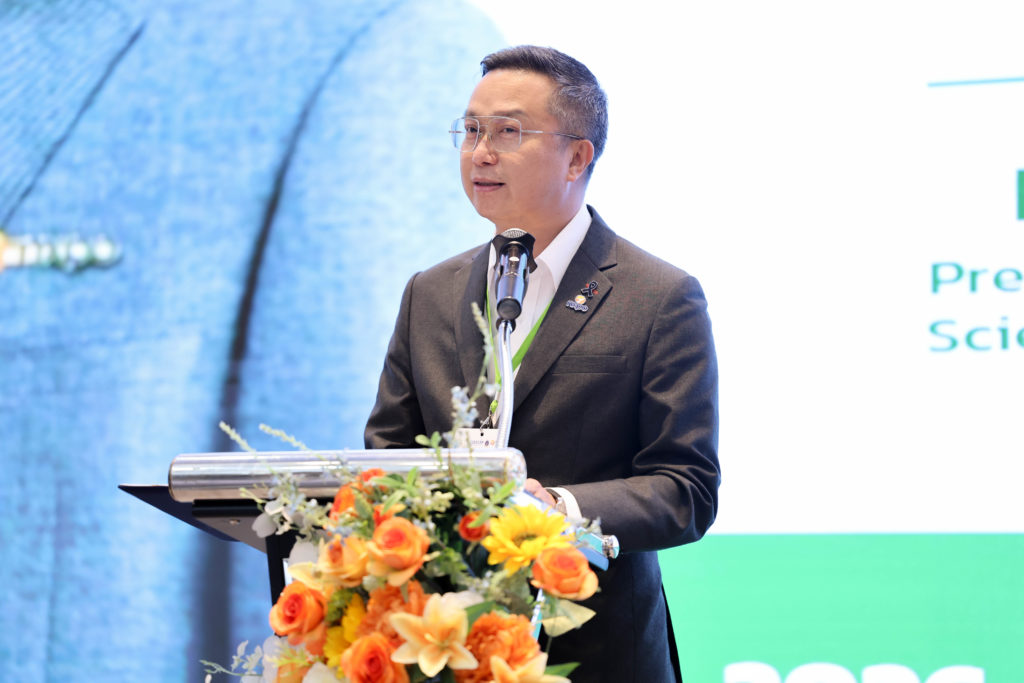
Dr. Surachai highlighted that Thailand’s commitment to achieving net-zero emissions by 2050 is not only an environmental responsibility, but also a strategy for strengthening economic resilience, improving quality of life, and enhancing long-term competitiveness. He underscored the importance of the National Innovation System (NIS) and the scientific knowledge base as key mechanisms—recognized at international forums such as the UNFCCC Conferences of the Parties—for translating climate targets into concrete, large-scale action.
As the principal policy agency for higher education, science, research, and innovation, NXPO plays a central role in setting strategic directions and integrating science, innovation, and workforce development policies in line with national priorities, particularly in addressing climate change and promoting sustainable development.

NXPO also serves as Thailand’s National Designated Entity (NDE) under the UNFCCC Technology Mechanism and as the national coordinator for the Technology Needs Assessment (TNA), currently implementing a revised TNA with support from the Global Environment Facility (GEF).
Building on these mandates, NXPO has launched the Net Zero Campus Project to enable universities to translate policy into practice, accelerate national greenhouse gas emission reduction, and generate tangible societal impact. The initiative aims for at least 100 of Thailand’s 172 universities to integrate carbon neutrality and net-zero targets into their institutional policies, action plans, and management systems, while extending benefits to surrounding communities and the industrial sector.
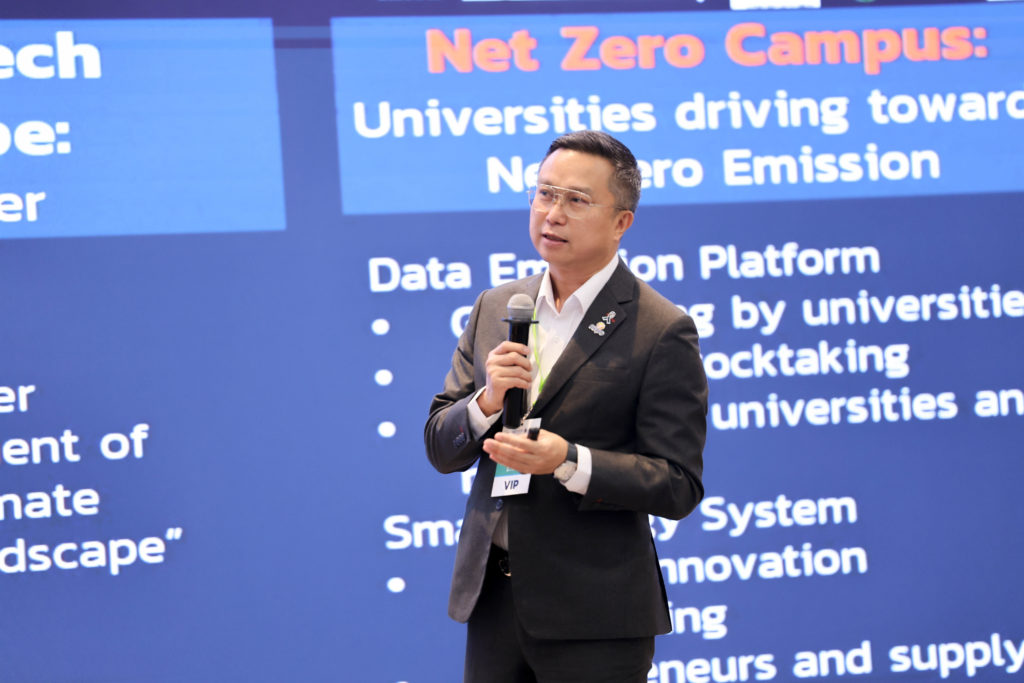
In his keynote lecture, “From Universities to System Change: Driving a Net Zero Future,” Dr. Surachai highlighted that the net zero transition requires systemic transformation, with higher education institutions serving as a crucial mechanism linking research, innovation, skills development, and practical implementation.
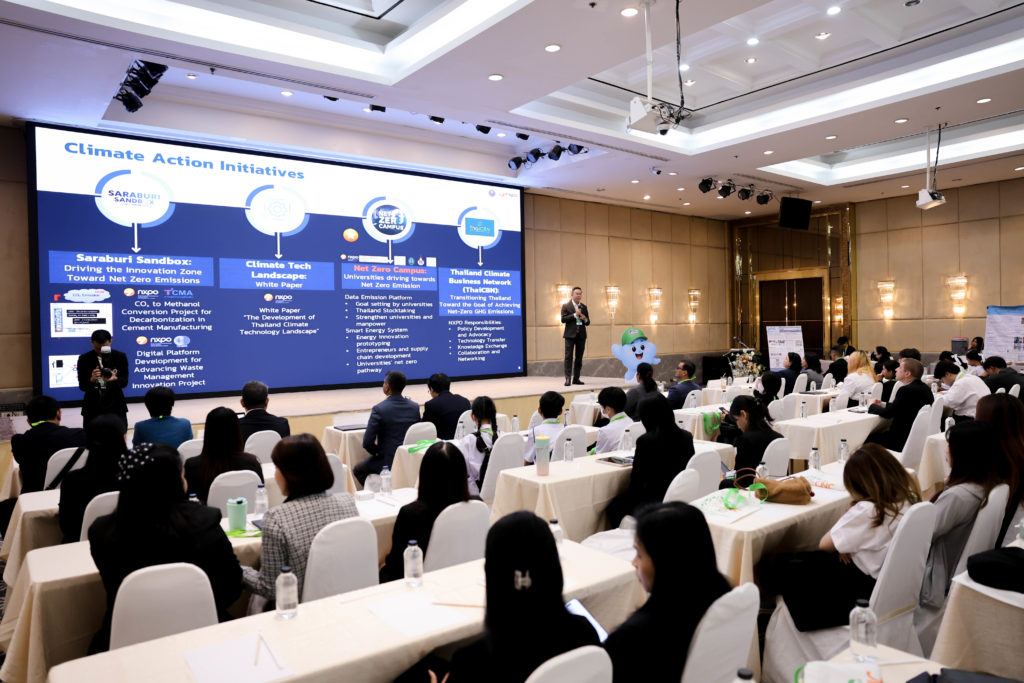
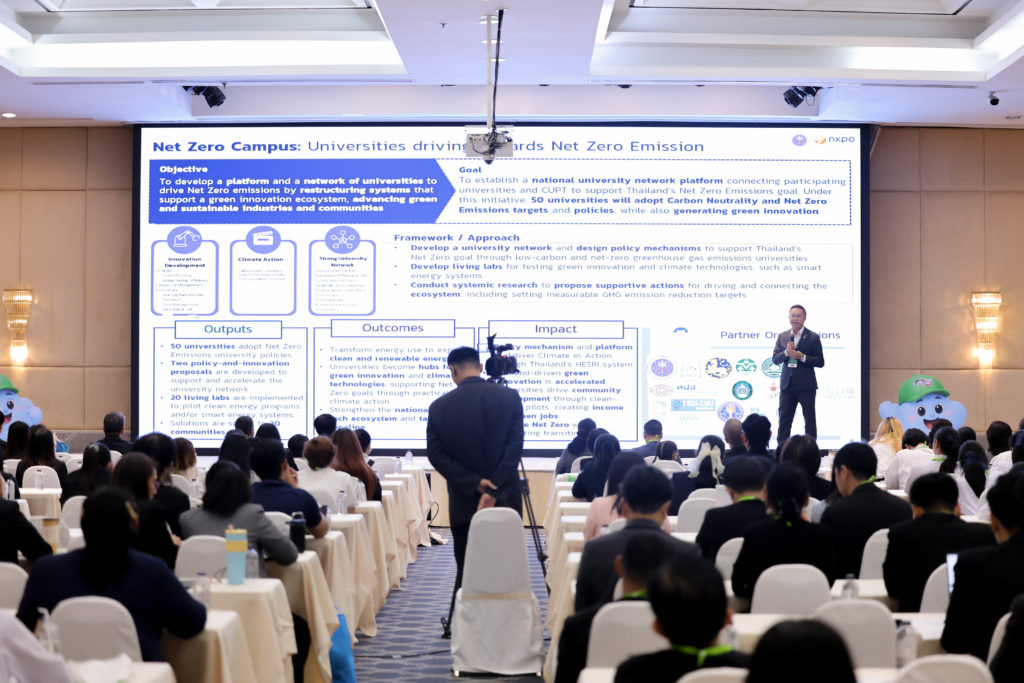
He also underscored the urgency of developing a climate-ready workforce, noting that by 2030 Thailand will require 235,000–275,000 professionals in the low-carbon economy, spanning fields such as carbon markets, MRV systems, electric vehicles, renewable energy, and low-carbon agriculture and tourism. This demand calls for accelerated reskilling, upskilling, and lifelong learning reforms to support the country’s net-zero transition.