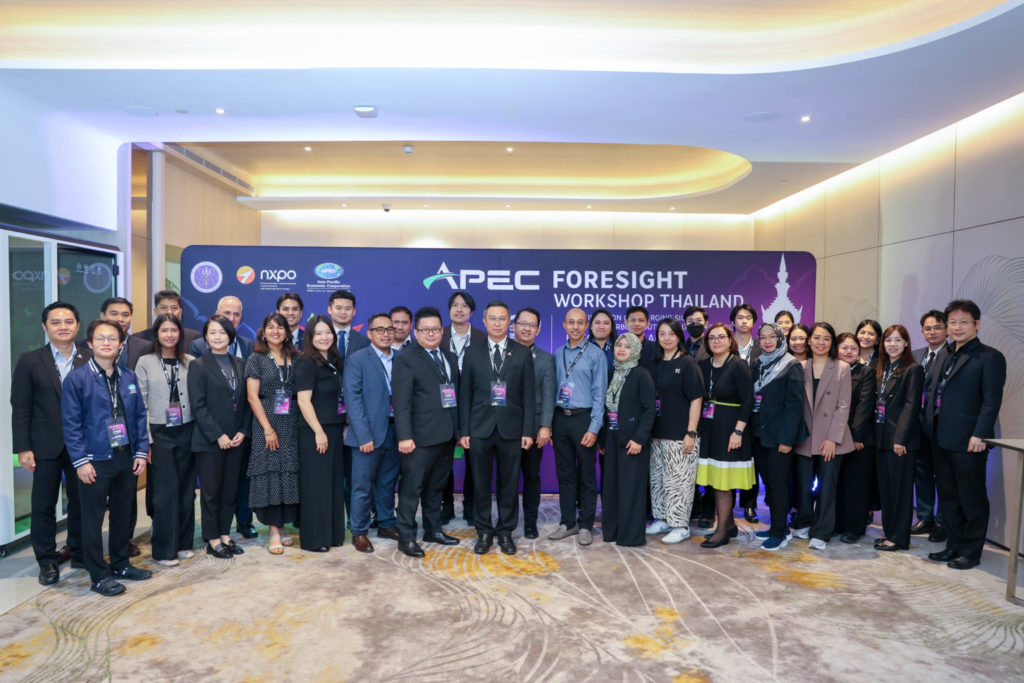
The APEC Foresight Workshop on Identification of Emerging Signals Affecting Carbon Neutrality Using Foresight was held from 26–27 November 2025 at the Pullman Bangkok King Power Hotel. The event gathered more than 30 participants from eight APEC member economies—Australia, Brunei Darussalam, Indonesia, Korea, Malaysia, Peru, Chinese Taipei, and Thailand—to examine emerging signals and trends that influence the region’s pathway toward carbon neutrality.
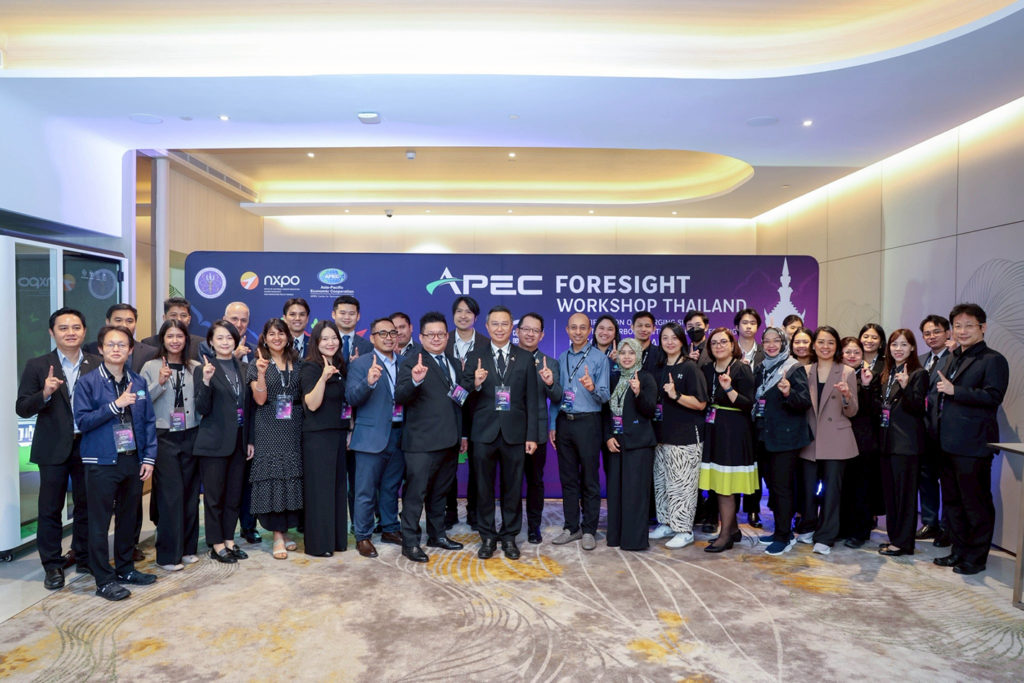
Organized by the APEC Center for Technology Foresight (APEC CTF) hosted by NXPO, the workshop provided a regional platform linking strategic foresight with climate and energy policymaking. Over two days, participants applied foresight tools to identify, classify, and prioritize signals that could shape APEC’s carbon neutrality transition.
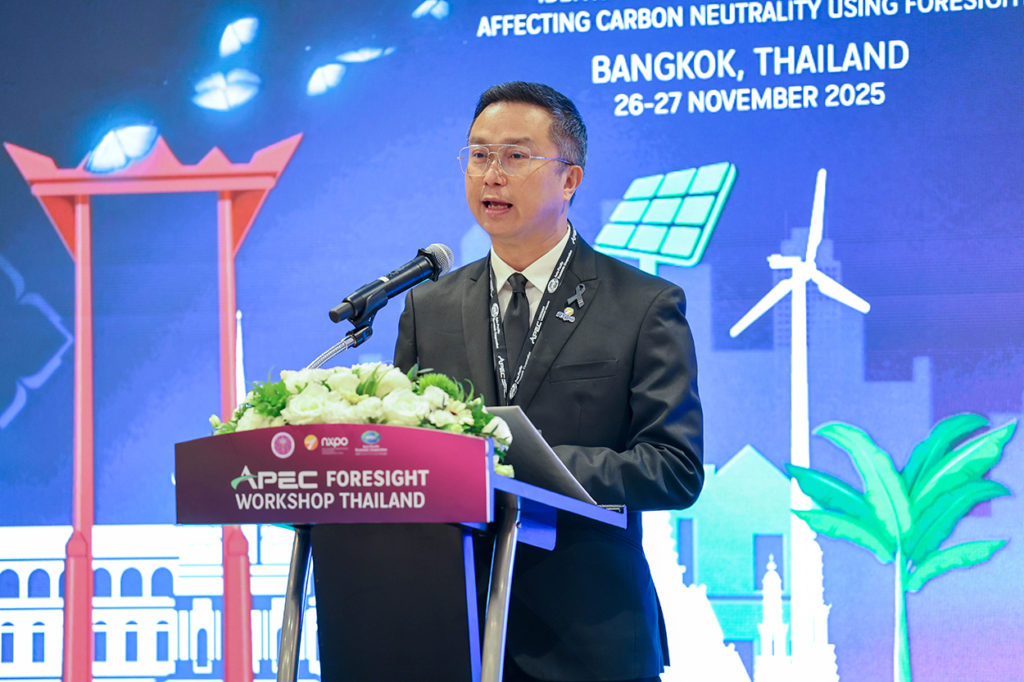
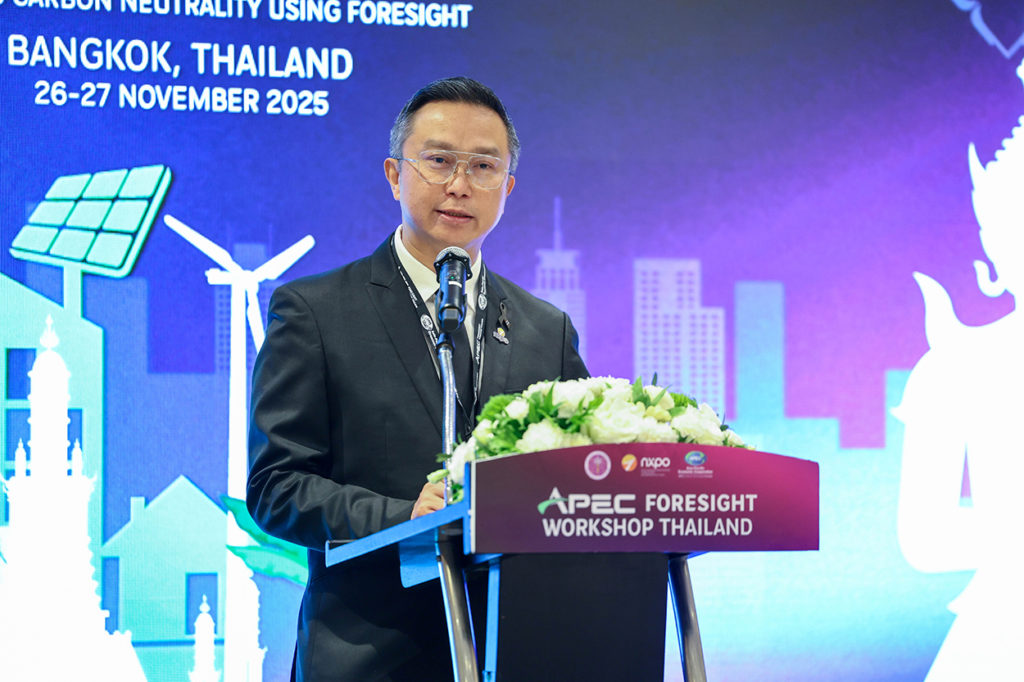
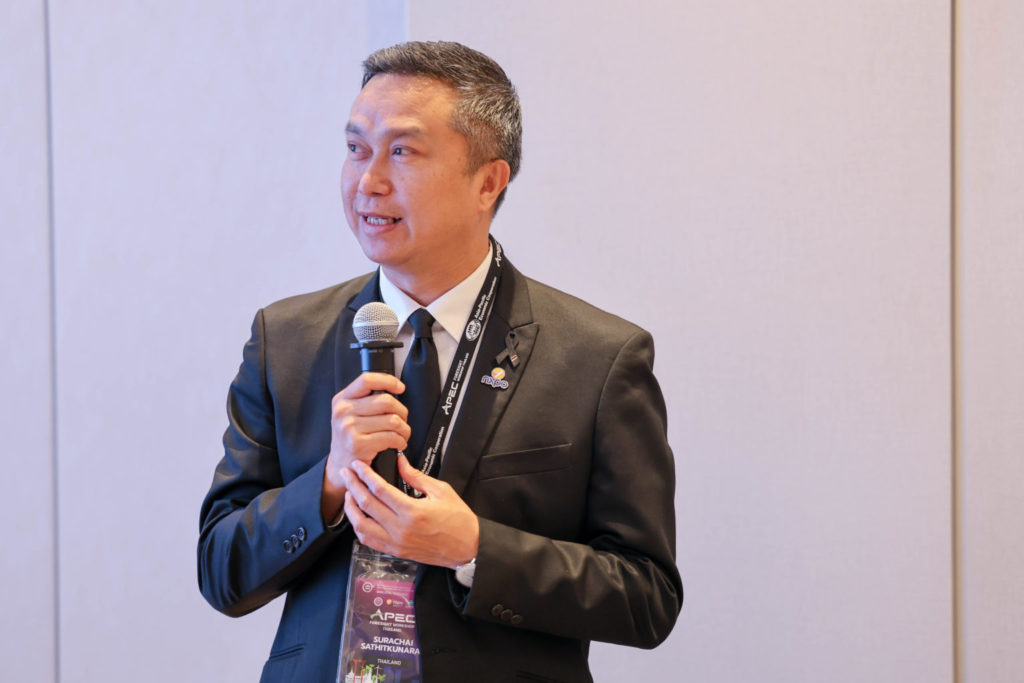
In his opening remarks, NXPO President Dr. Surachai Sathitkunarat emphasized that climate change is no longer a future concern but a present-day reality affecting economies, societies, and livelihoods across the region. At the same time, rapidly emerging technologies, business models, social dynamics, and policy frameworks are creating both opportunities and risks for the transition to carbon neutrality.
He highlighted that in an environment marked by uncertainty and complexity, foresight tools are essential for anticipating change and guiding public policy. Activities such as horizon scanning, weak-signal detection, and trend analysis help policymakers look ahead, explore multiple plausible futures, and respond in a timely manner. Dr. Surachai noted that the workshop served as a policy lab, encouraging participants to exchange views, challenge assumptions, and co-create new ideas.
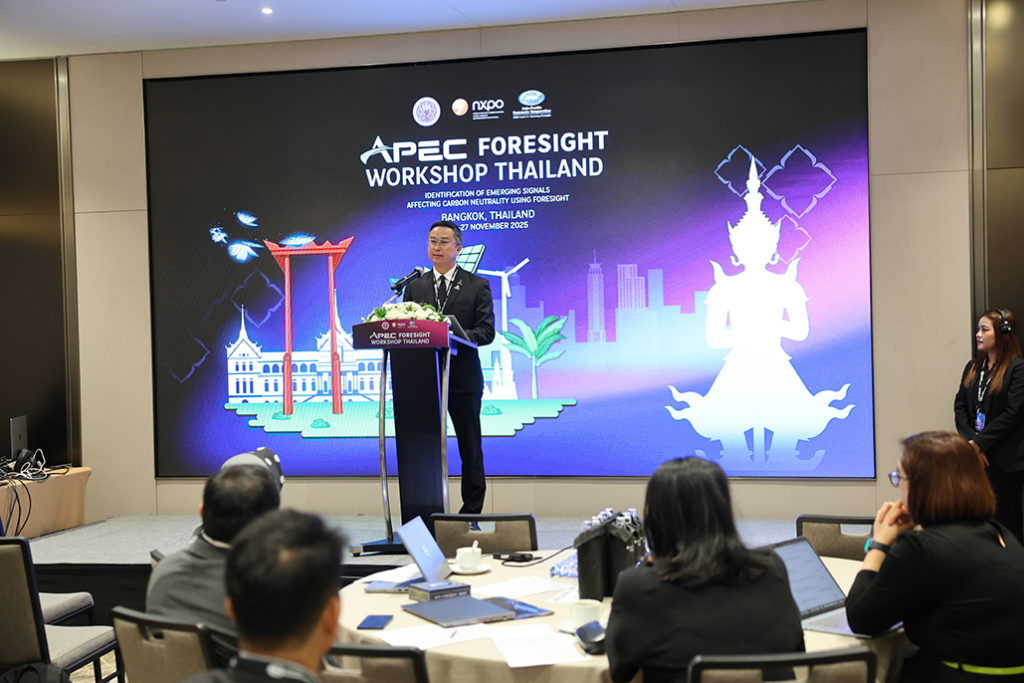
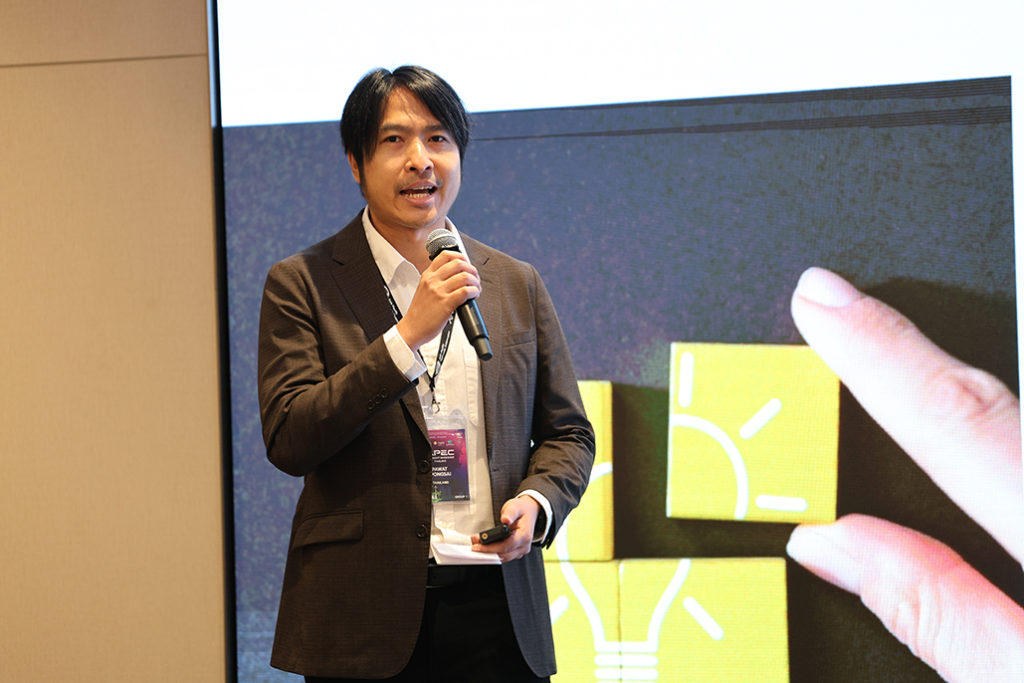
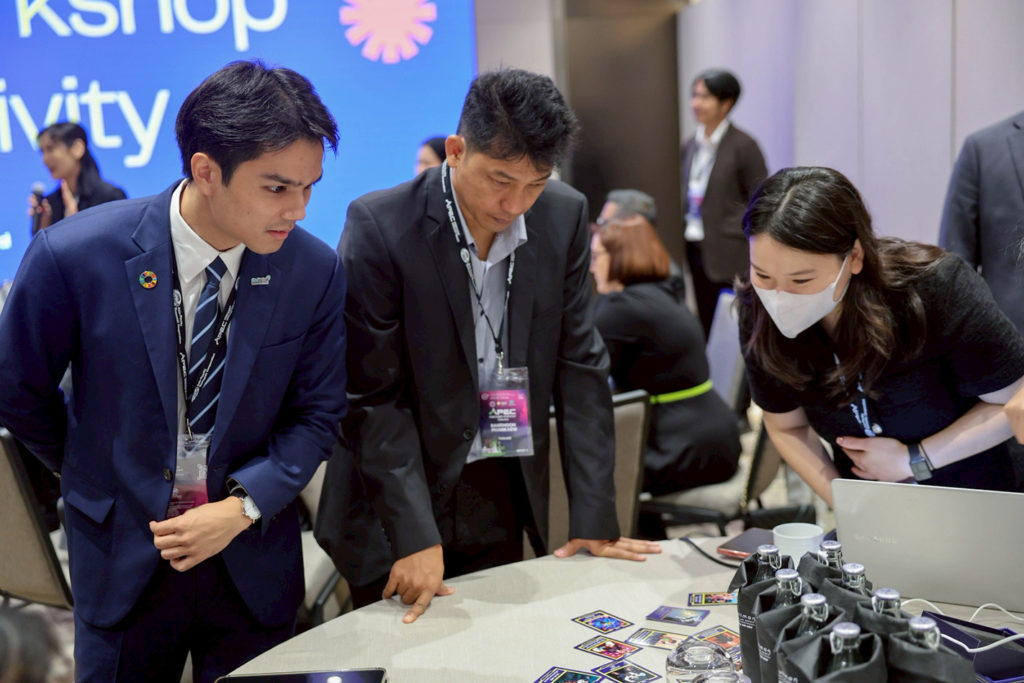
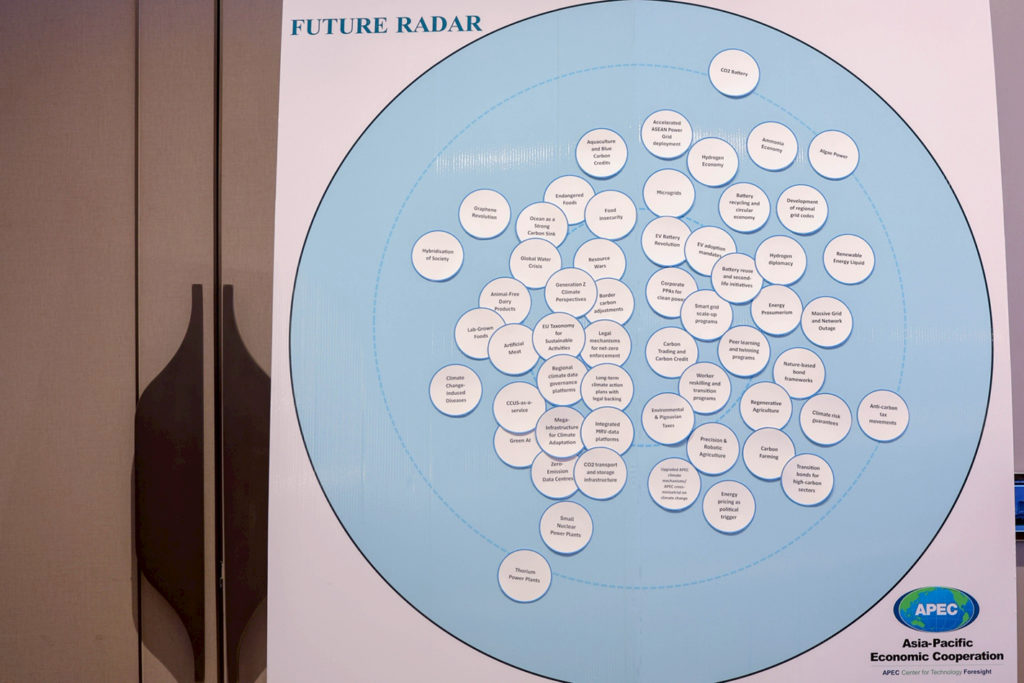
The program featured multiple foresight exercises. On the first day, under the theme “Classifying anticipatory signals,” began with the activity “Imagining Possible Futures with Cards” led by Mr. Pawat Phongsai from the National Intelligence Agency. Participants then moved into “Signal Prioritization,” using collaborative tools and structured dialogue to narrow a large pool of signals into a focused set of high-impact signals relevant to APEC’s carbon-neutral trajectory.
The workshop also featured keynote lectures from two distinguished speakers:
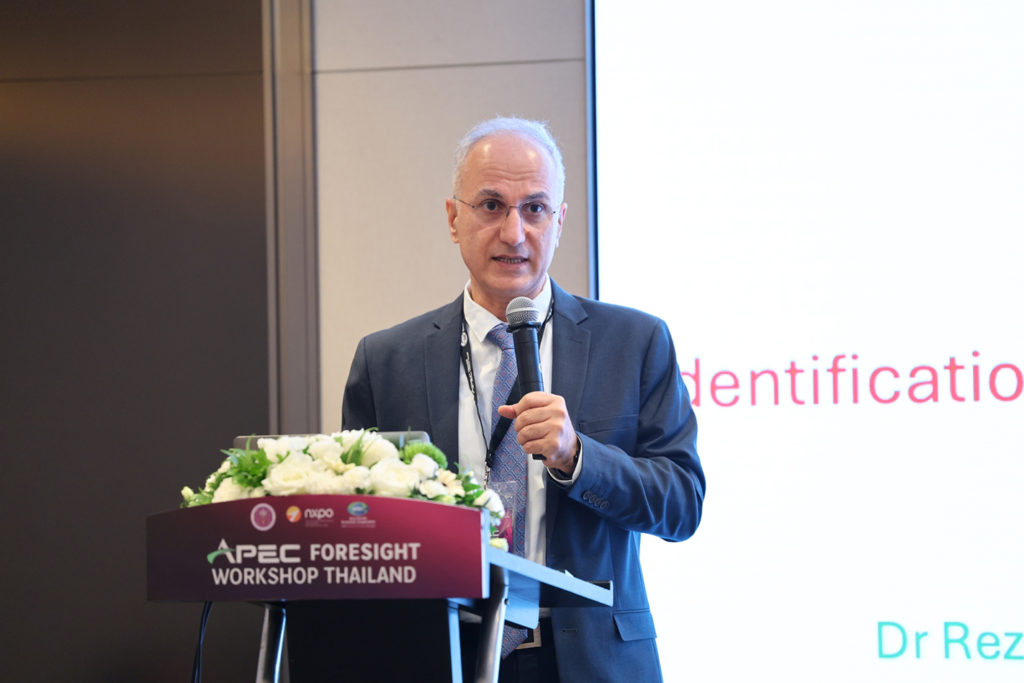
- Dr. Reza Aghdam, University of Sydney (Australia), delivered “Towards Carbon Neutrality: Insights from the Australian Perspective and Opportunities for Regional Cooperation.” He shared policy directions, technological advancements, and lessons from Australia’s transition efforts, while highlighting opportunities for cross-economy cooperation within APEC.
- Dr. Tan Shu Ying, Malaysian Industry-Government Group for High Technology (MIGHT), presented “Horizon Scanning and Trends Analysis,” outlining practical tools and approaches for identifying trends and weak signals and organizing these insights to support evidence-based policymaking.

On the second day, under the theme “Signals prioritization and co-creating strategy,” the workshop shifted from analysis to strategy development. Participants revisited the prioritized signals and examined their implications for APEC economies—including potential opportunities, challenges, and areas where collaborative action could create added value. Discussions explored policy directions, cooperation frameworks, and potential pilot initiatives in science, technology, and innovation (STI) that could be advanced through APEC and PPSTI mechanisms.


The workshop ultimately aimed to strengthen the region’s capacity to anticipate and prepare for future change and to co-design a sustainable, climate-resilient future along APEC’s path toward carbon neutrality.