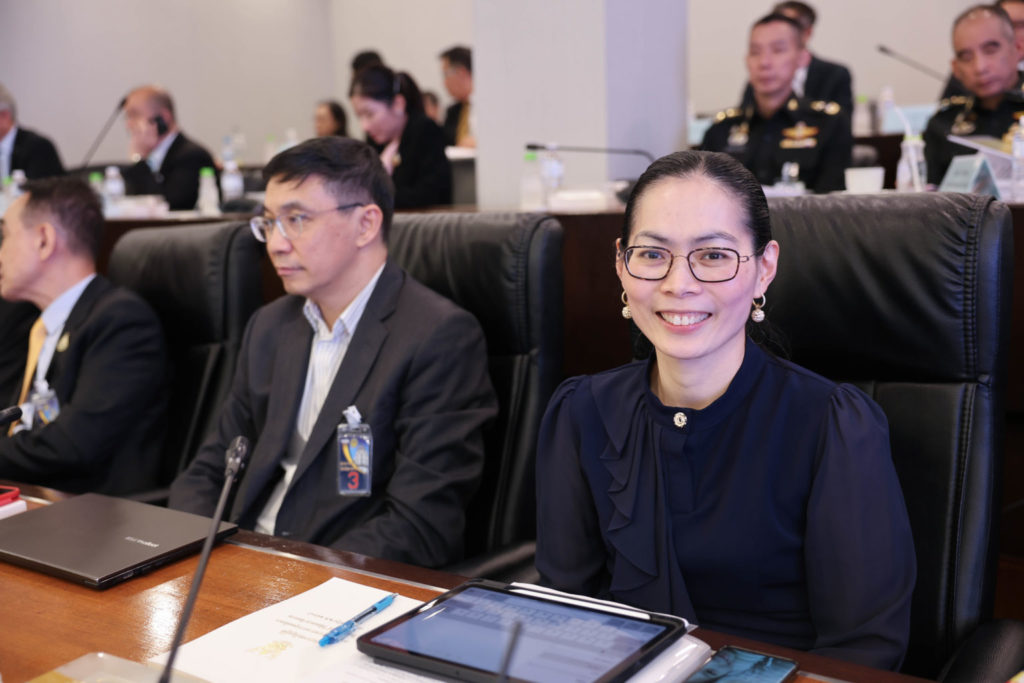
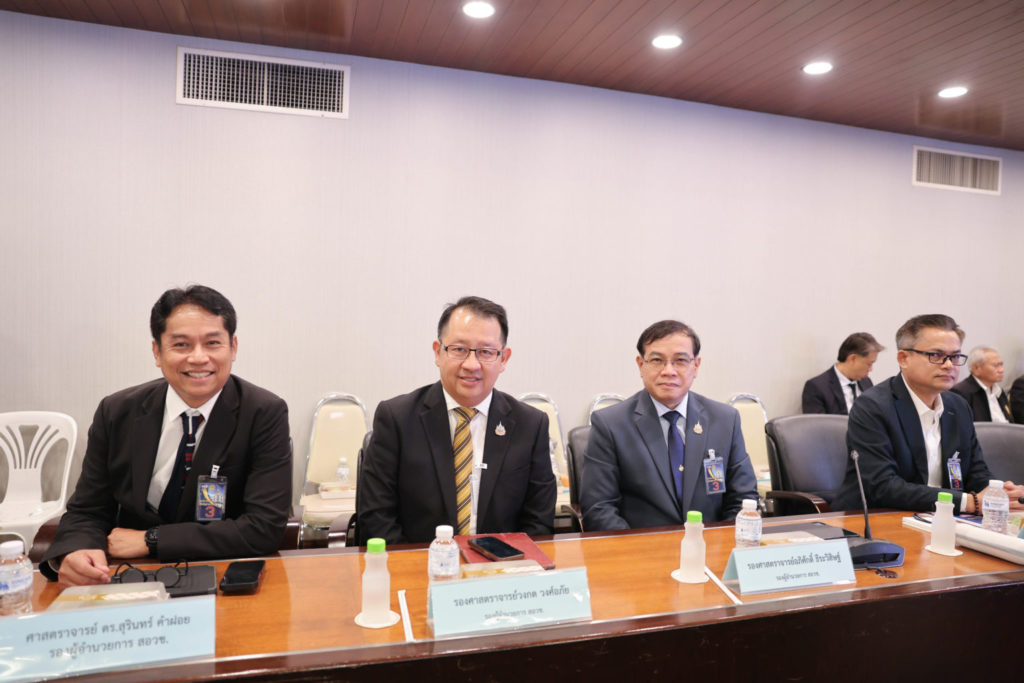
On 21 October 2025, Professor Emeritus Borwornsak Uwanno, Deputy Prime Minister, presided over the meeting of the National Higher Education, Science, Research and Innovation Policy Council. Also in attendance were Mr. Surasak Phancharoenworakul, Minister of Higher Education, Science, Research and Innovation (MHESI) and Vice Chair of the Council; Lt Gen Adul Boonthamcharoen, Deputy Minister of Defence; Prof. Dr. Supachai Pathumnakul, MHESI Permanent Secretary; Dr. Surachai Sathitkunarat, President of NXPO; along with senior executives and appointed experts.
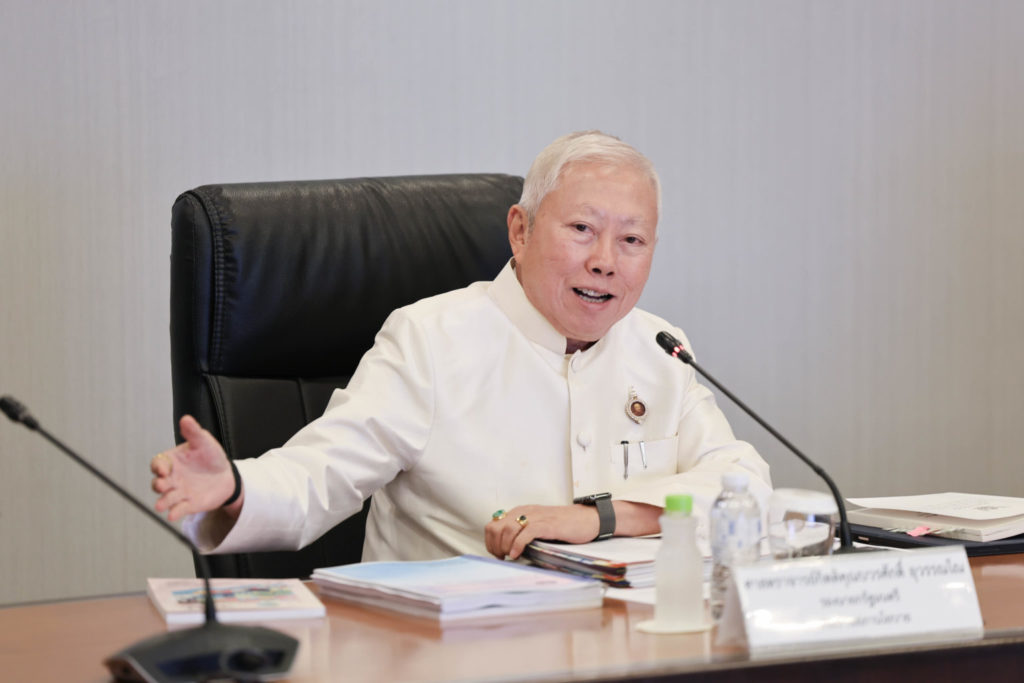
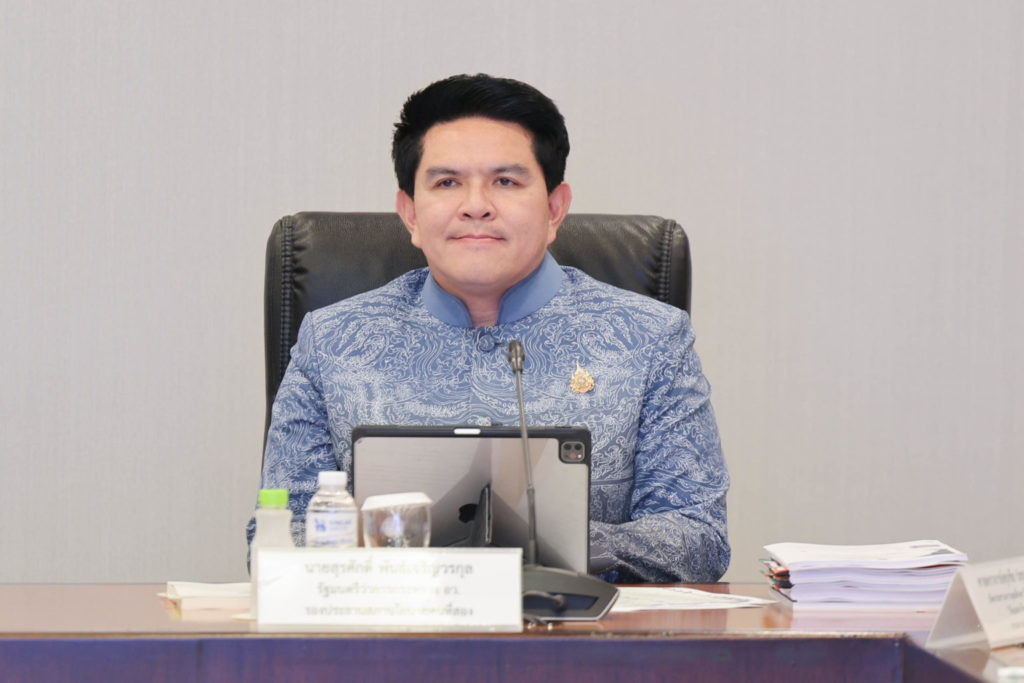
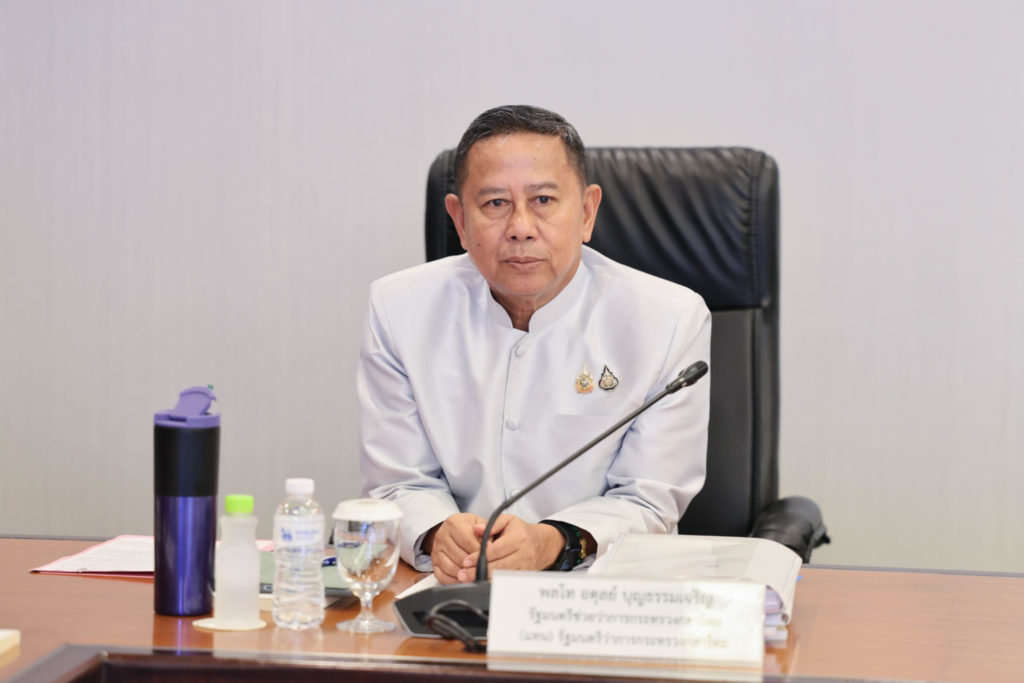
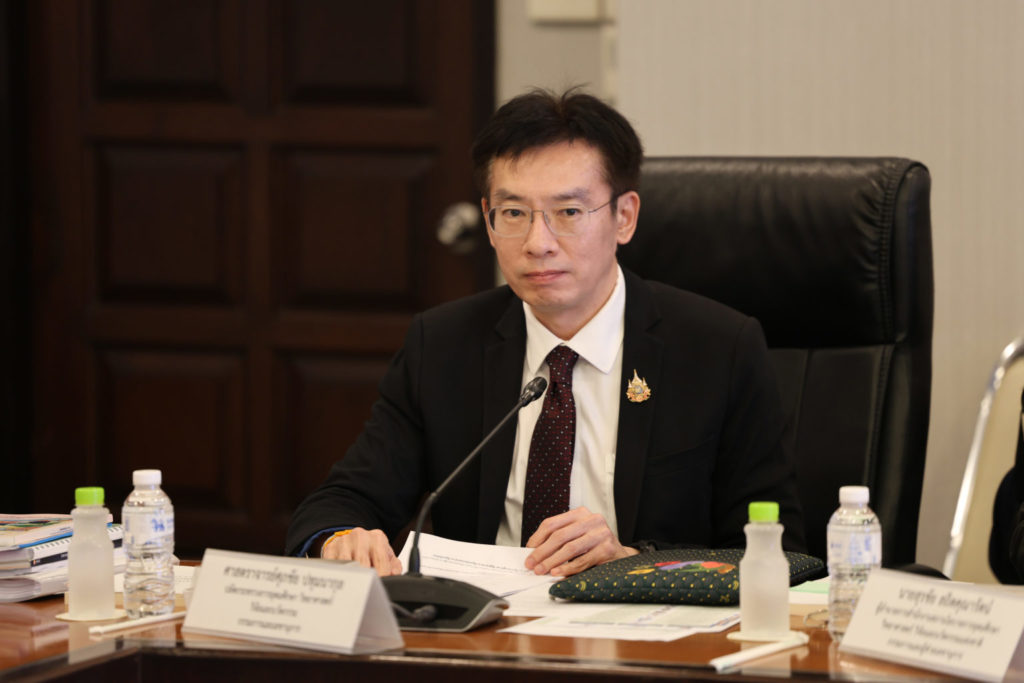
The Council endorsed the “Strategic Framework for Advancing Higher Education, Science, Research, and Innovation in Response to Government Policies,” which aligns with the four urgent priorities set by the Prime Minister: addressing economic challenges, enhancing national security, tackling natural disasters, and resolving social issues.
The framework outlined four key focus areas: 1) upskilling and reskilling programs, 2) development of ready-to-use technologies, 3) support for SMEs, startups, and local enterprises through “innovation zones”, and 4) expansion of water management initiatives. Key drivers include the Thailand Plus Package, workforce development measures under the Competitiveness Fund, community income generation through technology transfer, SME and startup enhancement, university-led water management capacity building, and research for national security and defense.
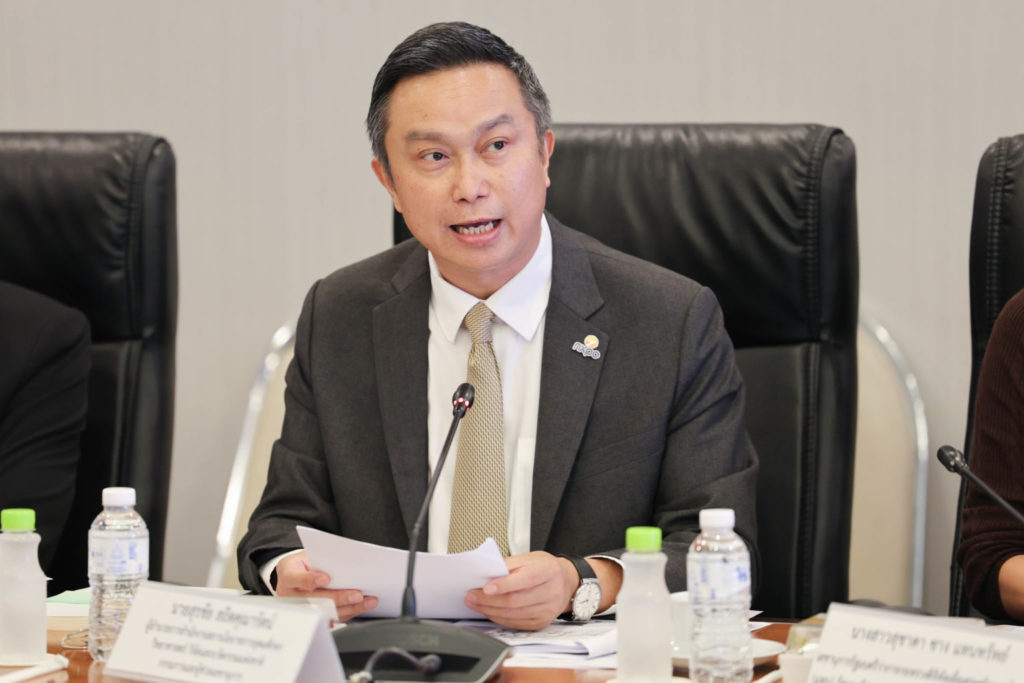
Dr. Surachai also presented a 2026–2027 implementation plan. In higher education, the focus will be on digital upskilling and reskilling, creating higher-income opportunities for graduates, promoting equitable access to higher education, modernizing education laws, and integrating disaster preparedness and climate change awareness into curricula. In science, research, and innovation, efforts will target key industries such as semiconductors and advanced electronics, biotechnology, and future mobility. Additional objectives include advancing smart farming, developing disaster warning technologies, integrating SMEs into green supply chains, and promoting area-based development and social equity.
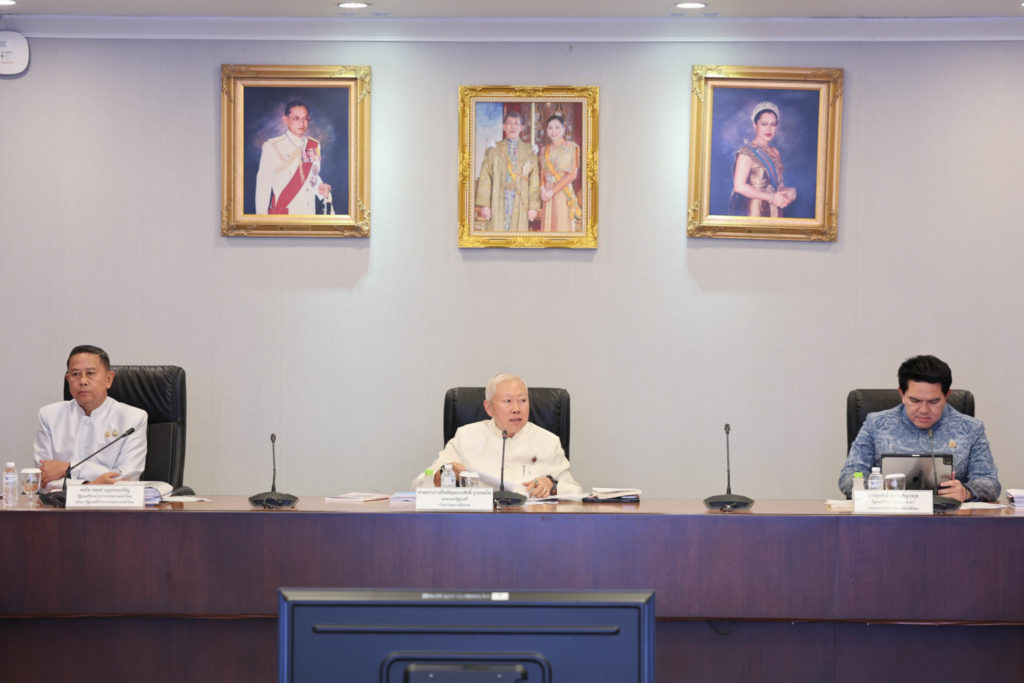
The meeting also approved the appointment of the Defense Science and Technology Department (DSTD) under the Office of the Permanent Secretary, Ministry of Defense, to serve as a Program Management Unit (PMU) for national security. The DSTD’s primary mission is to ensure that defense and security research aligns with the practical needs of the armed forces. This initiative aims to reduce dependence on imported defense technologies and equipment, which currently account for 98% of imports. The DSTD’s scope of work will cover the entire innovation process—from basic research to commercial and social applications—focusing on non-classified and dual-use defense technologies. Once the DSTD becomes a PMU, the Defense Industry and Energy Center (DIEC) will assume its R&D functions.
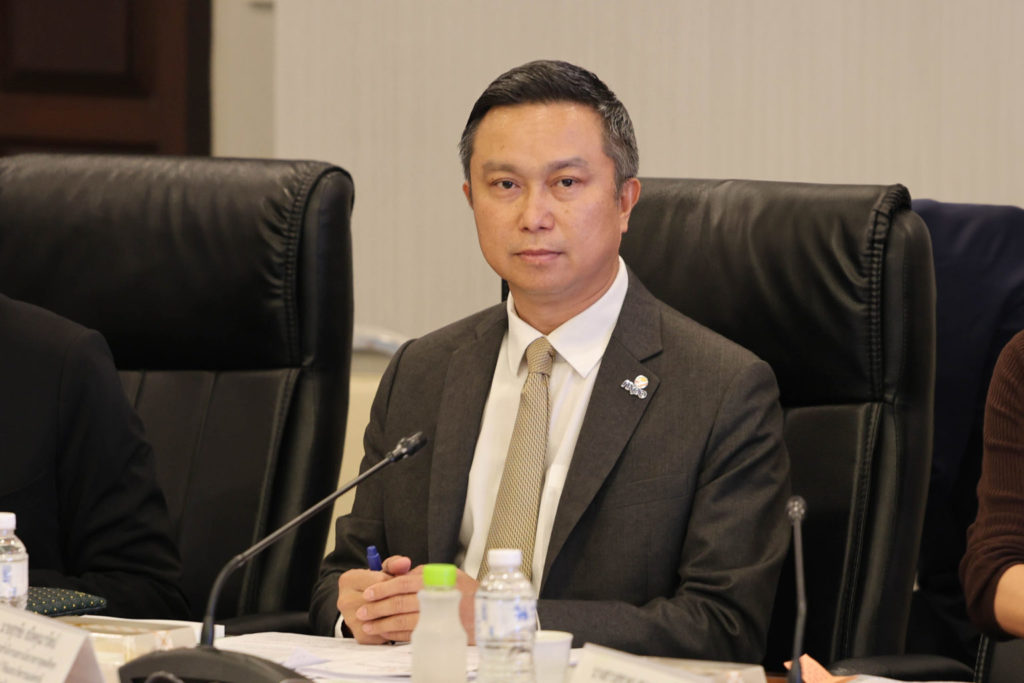
In addition, the Council approved the establishment of the Office of Research and Innovation for Competitiveness and Area-Based Development. The new office will integrate three existing PMUs—PMUA, PMUB, and PMUC—and introduce a new program dedicated to technology and arts utilization responsible for translating research and innovation into practical applications in accordance with the Thailand Research and Innovation Utilization Promotion Act B.E. 2564 (2021).
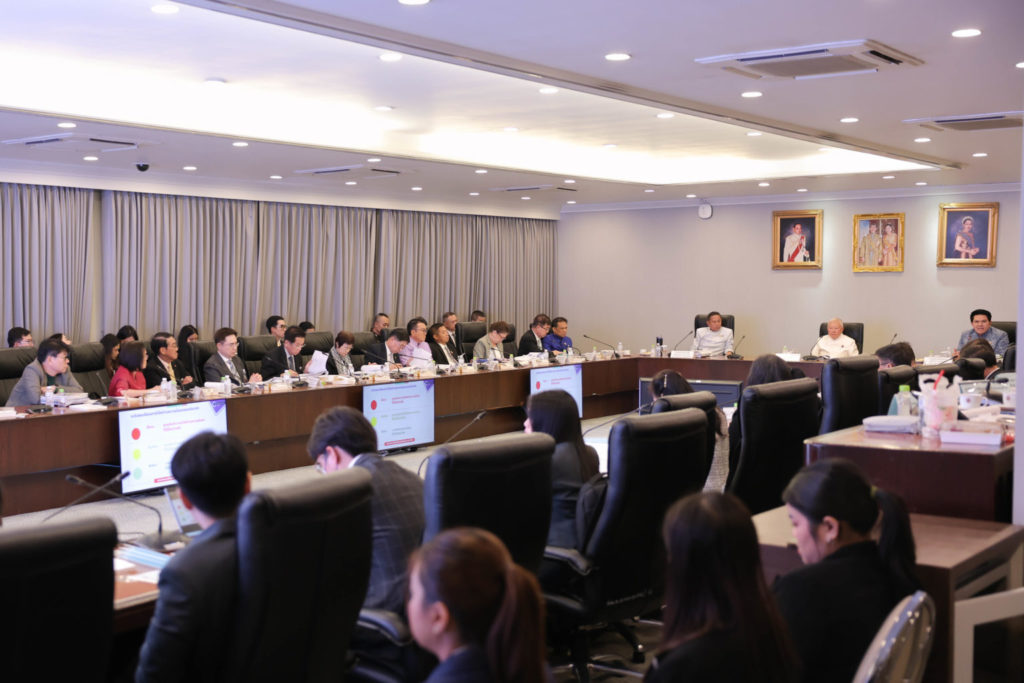
Its key roles include stimulating and increasing R&D and innovation investment from both public and private sectors, encouraging co-investment to enhance industrial competitiveness, and generating high-value innovation outcomes. It will also strengthen frontier research capabilities to serve as a new growth engine for future industries and long-term economic growth. Furthermore, it aims to drive local economic development, improve quality of life and reduce inequality by empowering universities to lead area-based development through research and innovation. Its operations will advance technology and innovation across value chains in priority sectors under national strategic directions, ensuring effective strategic funding that delivers measurable national impact.
NXPO will expedite the legislative process to establish the new office.