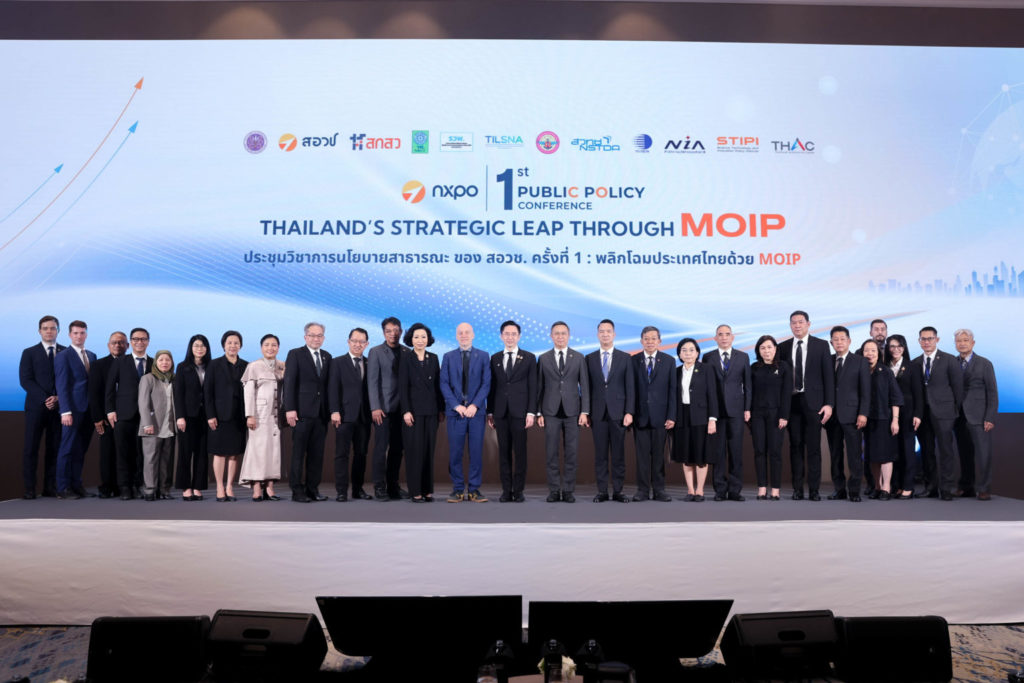
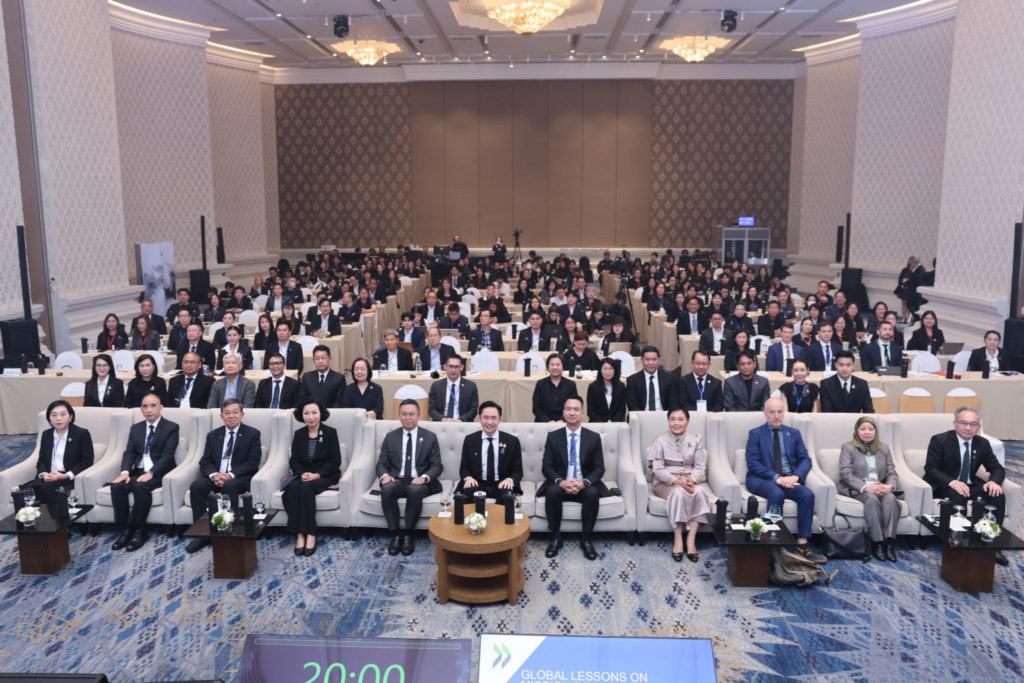
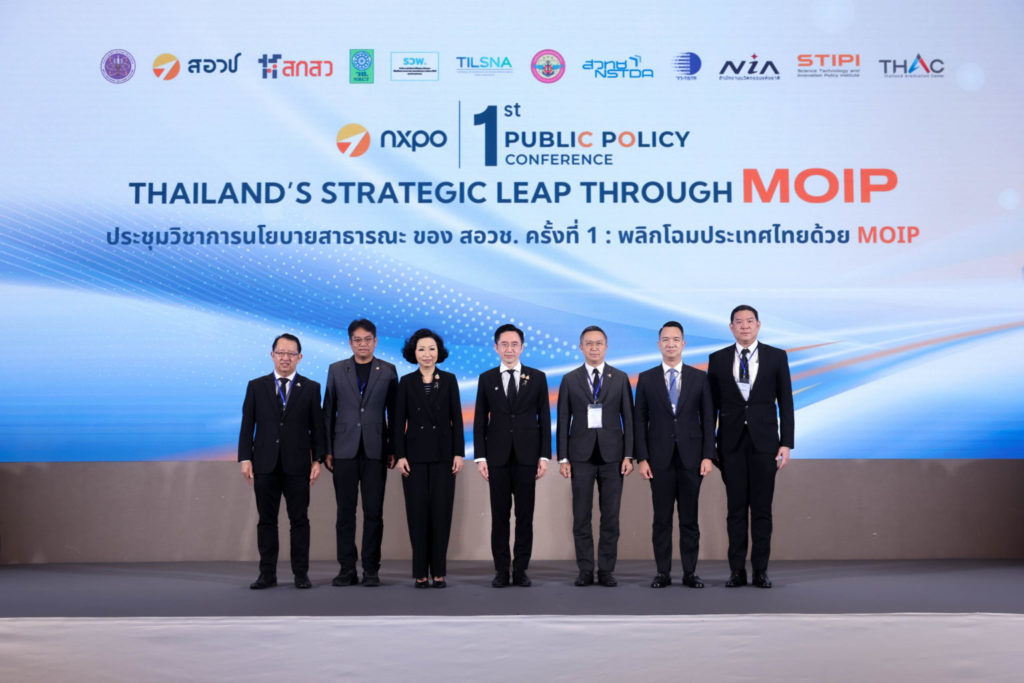
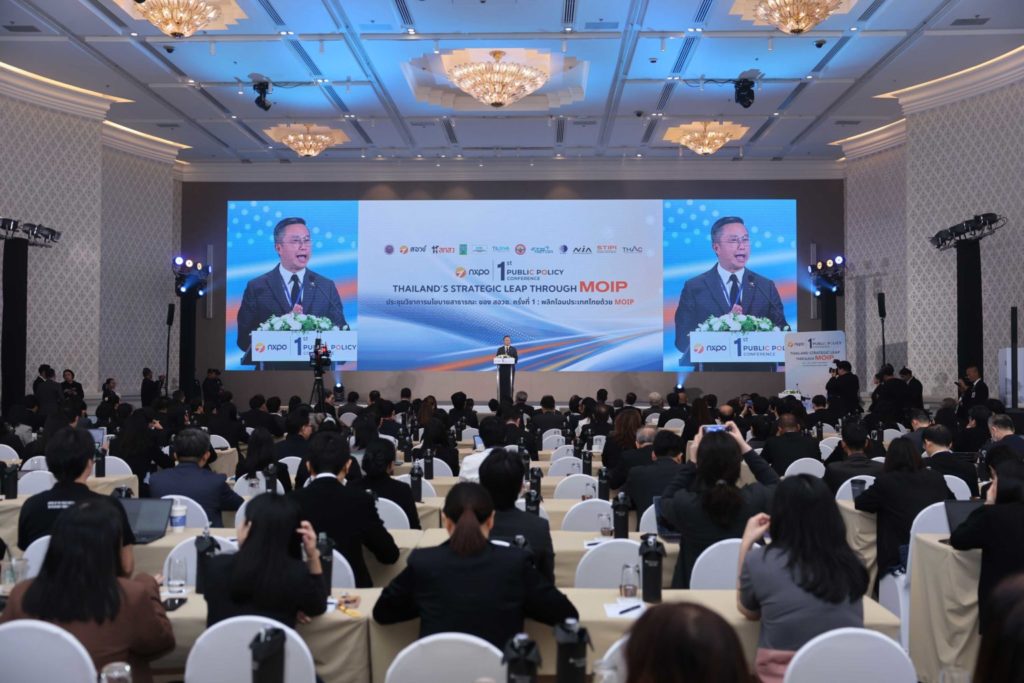
On 1 July 2026, NXPO hosted the 1st NXPO Public Policy Conference: Thailand’s Strategic Leap through Mission-Oriented Innovation Policy (MOIP). The conference was officially opened by Prof. Dr. Yodchanan Wongsawat, Deputy Prime Minister, Minister of Higher Education, Science, Research and Innovation (MHESI), and Chair of the National Higher Education, Science, Research and Innovation Policy Council. The event brought together more than 200 senior executives from government agencies, the private sector, academic institutions, and policymaking organizations.
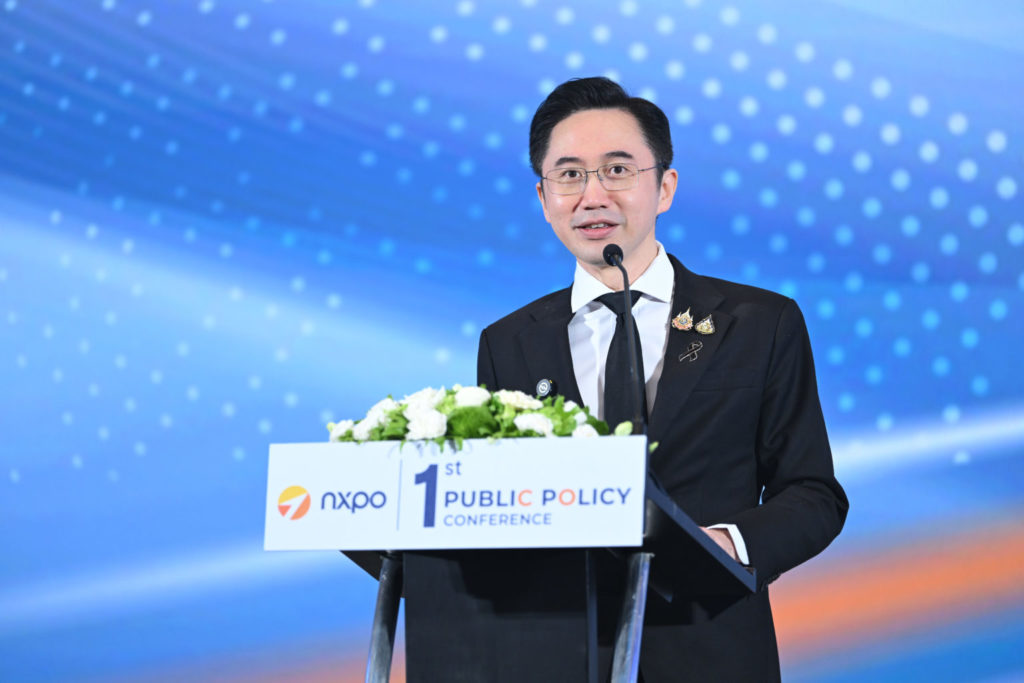
In his opening remarks, Minister Yodchanan underscored the importance of Mission-Oriented Innovation Policy (MOIP) as a strategic mechanism for shaping Thailand’s future development and strengthening the country’s competitiveness amid rapidly evolving economic, social, and technological challenges. He noted that NXPO is aligning Thailand’s higher education, science, research and innovation policy development more closely with international standards by adopting the MOIP approach to guide the formulation of the 2028–2032 Higher Education, Science, Research and Innovation Policy Framework. The framework is intended to define clear national missions and promote coordinated action across all sectors.
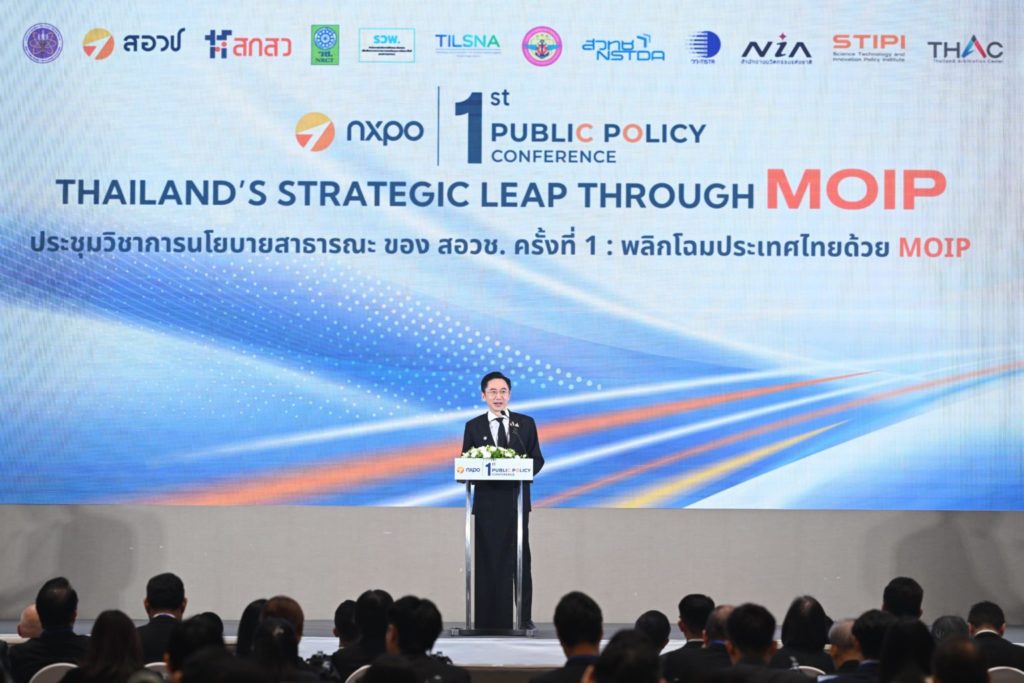
Minister Yodchanan emphasized that Thailand already possesses a strong foundation of scientific knowledge, research capability, and technological expertise. Rather than starting from scratch, the country should build upon these strengths to address its national development priorities. By drawing lessons from countries that have successfully applied MOIPs to transform their economies and escape the middle-income trap, Thailand can establish clear national missions that identify priority research areas, future workforce requirements, investment needs, and the science and technology infrastructure required to enhance competitiveness and improve long-term prosperity.
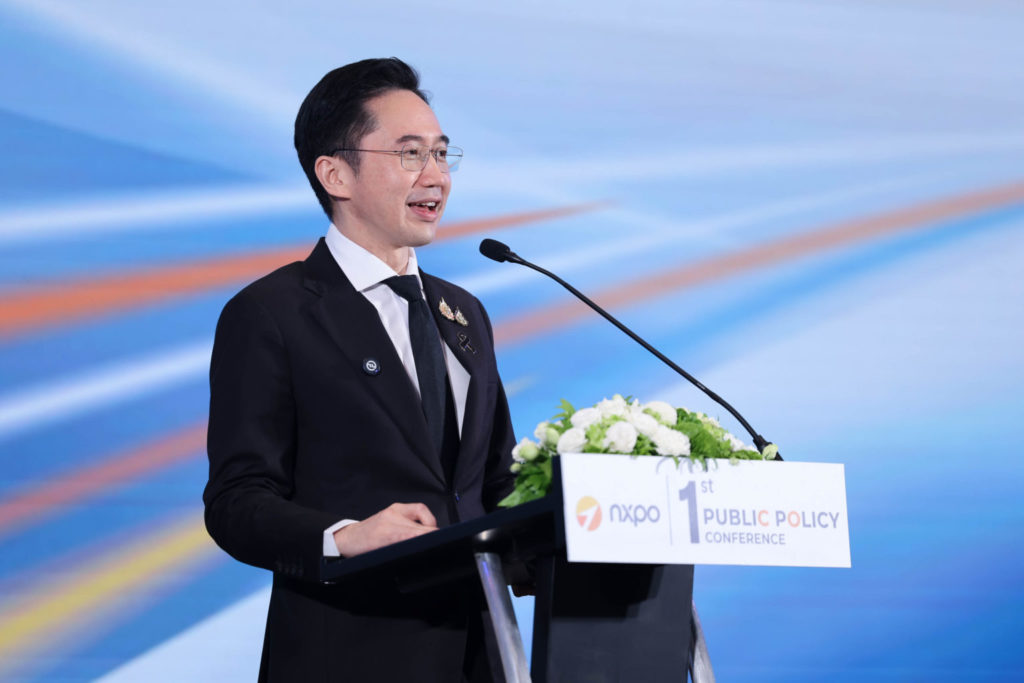
He identified three strategic priorities that Thailand must address:
- Responding to global technology competition by advancing artificial intelligence (AI), semiconductors, advanced manufacturing, robotics, and other future industries to position Thailand as an innovation hub.
- Addressing climate change by accelerating the circular economy, green energy, the space economy, and biodiversity conservation.
- Preparing for an ageing society, demographic shifts, and social transformation by promoting the wellness economy, precision medicine, future food, and the creative economy to improve quality of life while generating higher economic value.
Minister Yodchanan further stressed that effective policy implementation will require close coordination across ministries, the deployment of diverse policy instruments, regulatory reform, and robust monitoring, evaluation, and impact assessment mechanisms to ensure policies remain responsive and effective. He also highlighted the importance of aligning Thailand’s research standards with those of the Organisation for Economic Co-operation and Development (OECD), thereby strengthening confidence in the country’s research quality, funding systems, and governance while expanding opportunities for collaboration with leading international researchers and institutions.
In closing, Minister Yodchanan emphasized that Thailand must remain open to international collaboration by connecting its institutions with global innovation networks to jointly develop knowledge and solutions for future challenges. He expressed his hope that the conference would serve as an important milestone in advancing Thailand’s higher education, science, research and innovation policy framework toward internationally recognized standards.
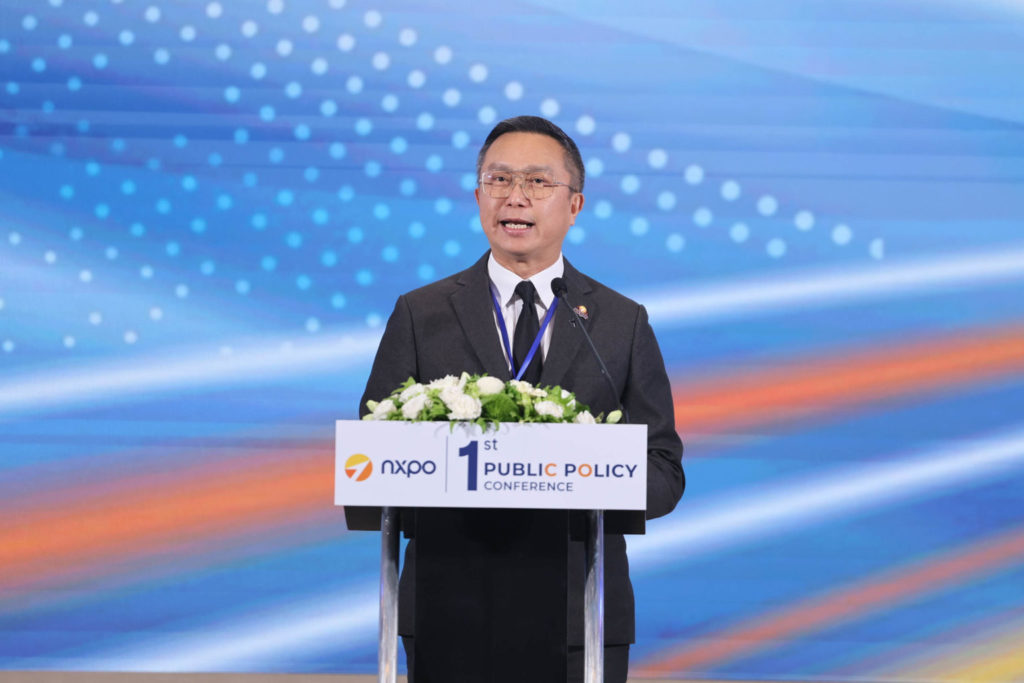
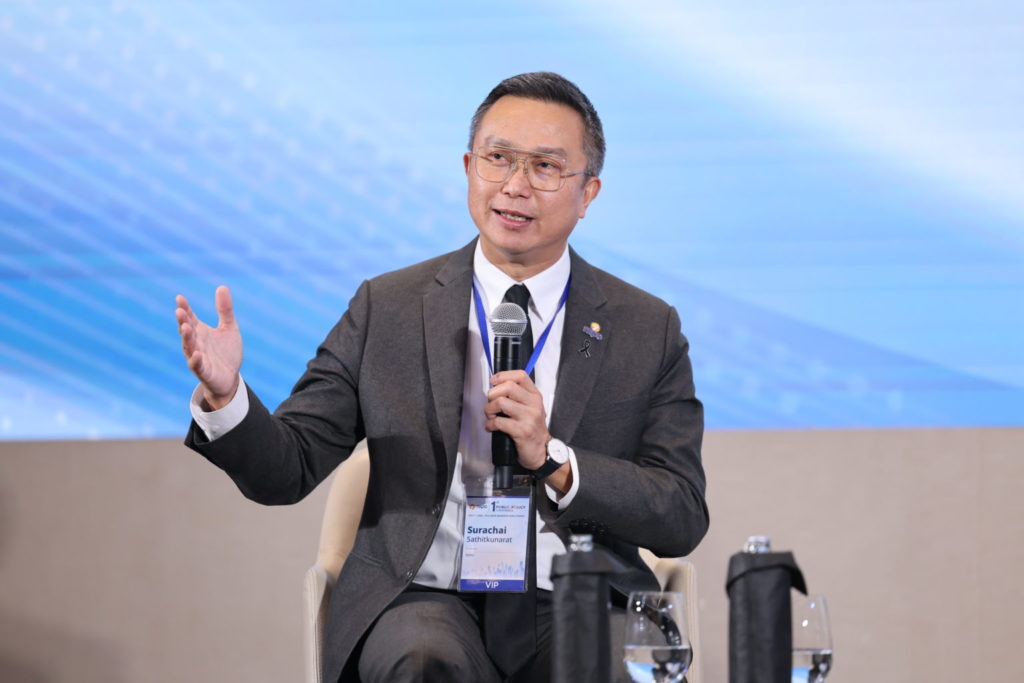
In his remarks, Dr. Surachai Sathitkunarat, President of NXPO, explained that the conference was organized to promote the exchange of international experience and best practices while providing a platform for dialogue among Thailand’s key policymaking agencies. The event also serves to prepare the country for integrating the Mission-Oriented Innovation Policy (MOIP) approach into the formulation of the 2028–2032 Higher Education, Science, Research and Innovation Policy Framework.
The conference featured internationally renowned innovation policy experts who shared global perspectives and practical lessons. Dr. Philippe Larrue of the OECD delivered a keynote presentation entitled “MOIP: Global Lessons on Mission Design, Governance, and Delivery,” while Prof. Mariana Mazzucato of University College London, a pioneer of the Mission-Oriented Innovation Policy concept, presented “From Ambition to Implementation: Missions, Portfolios, and Government Capacity.”
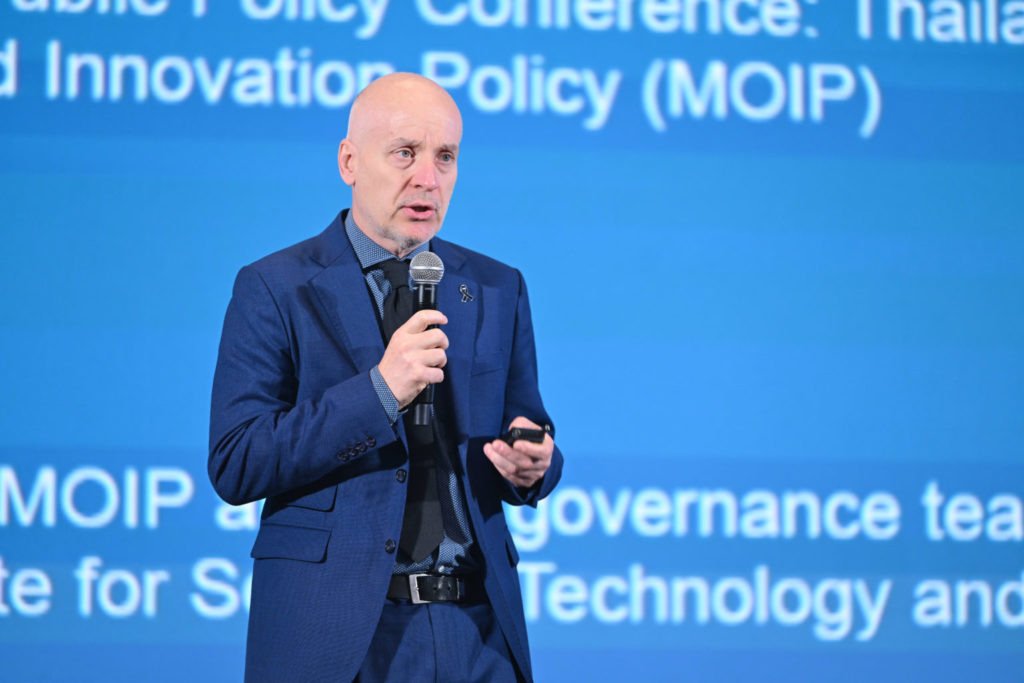
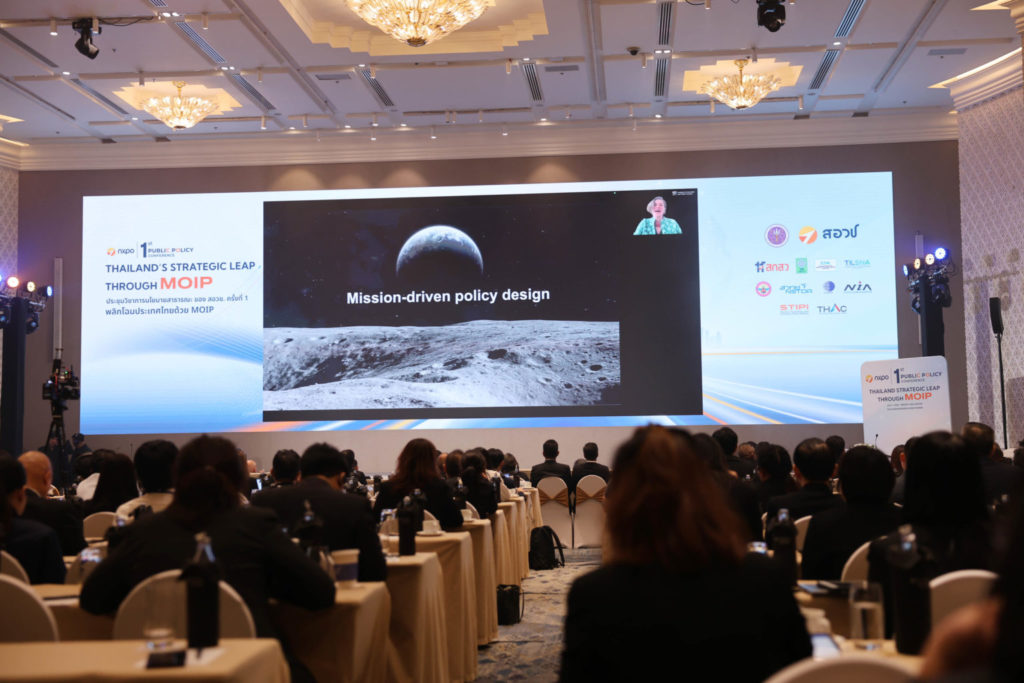
The program also included an international panel discussion featuring Ms. Hazami Habib of the Academy of Sciences Malaysia, together with Mr. Benjamin Kumpf and Mr. Charles McIvor of the OECD. Speaking on “What Good MOIP Looks Like in Practice,” the panel explored international experiences and practical approaches to designing and implementing mission-oriented innovation policies that deliver measurable outcomes.
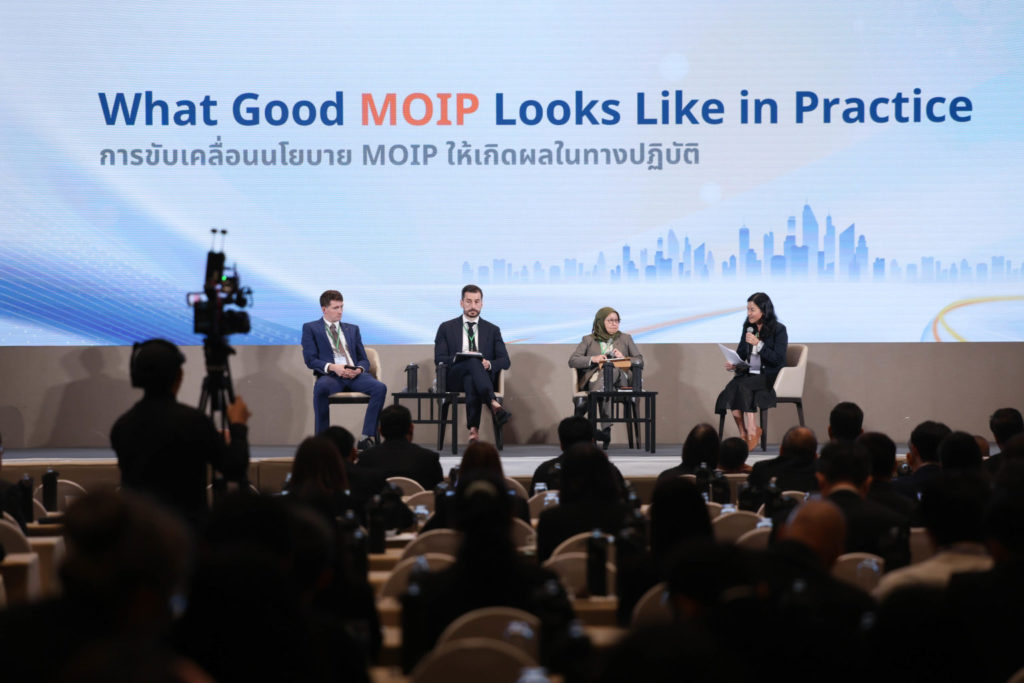

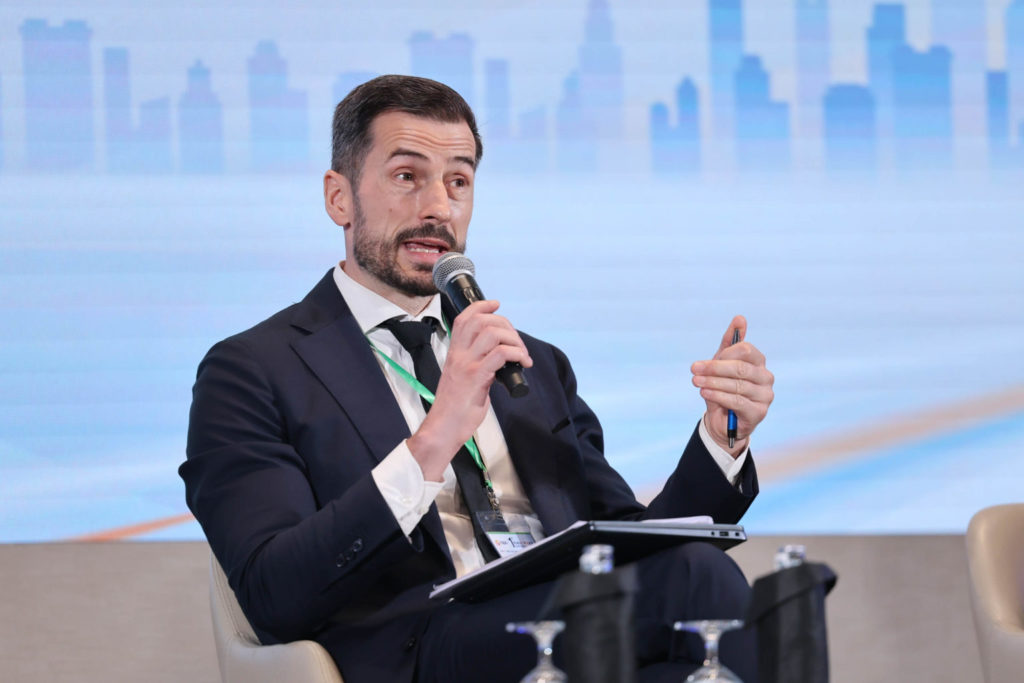
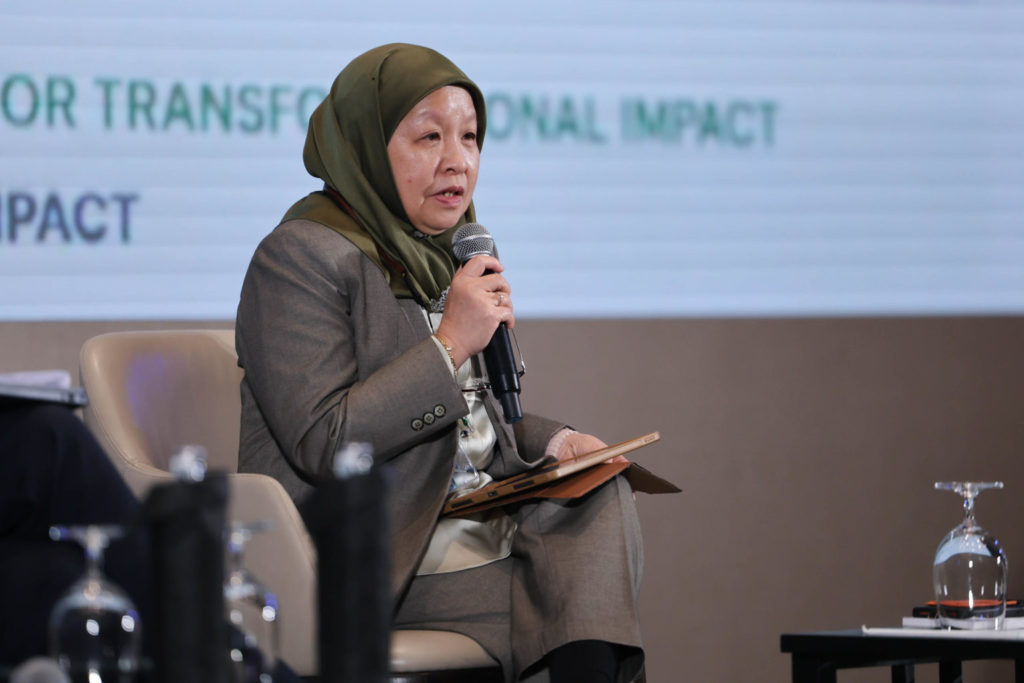
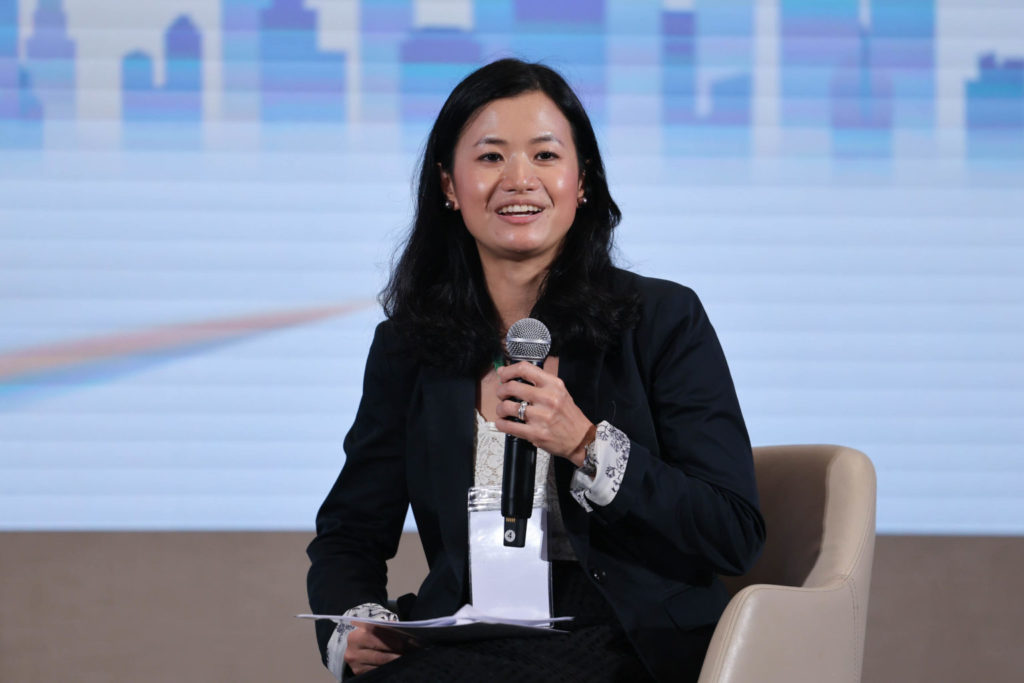
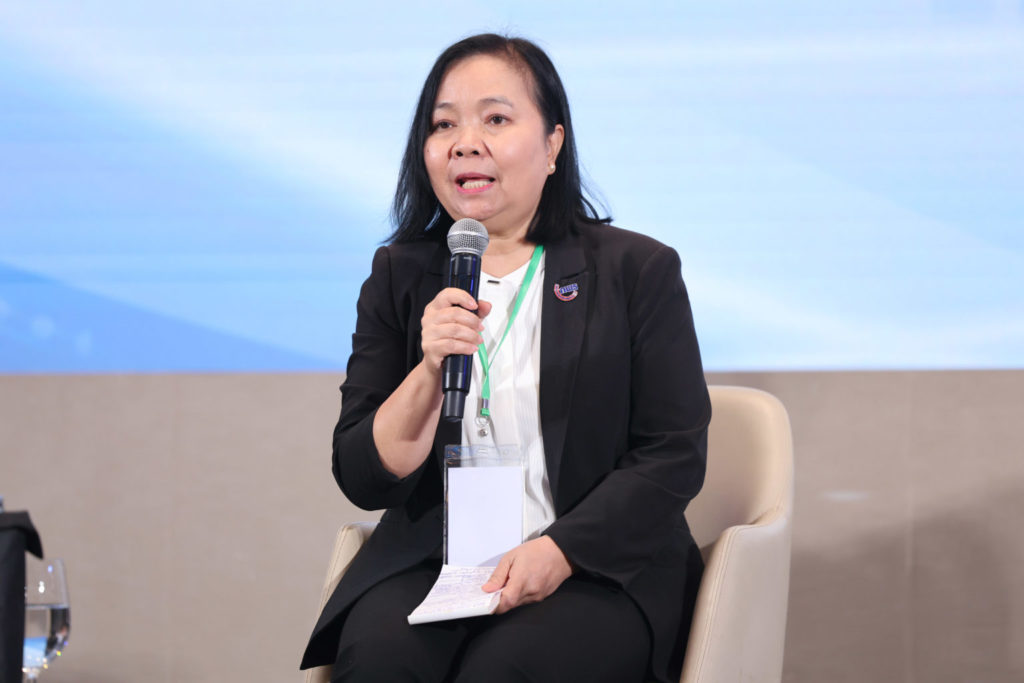
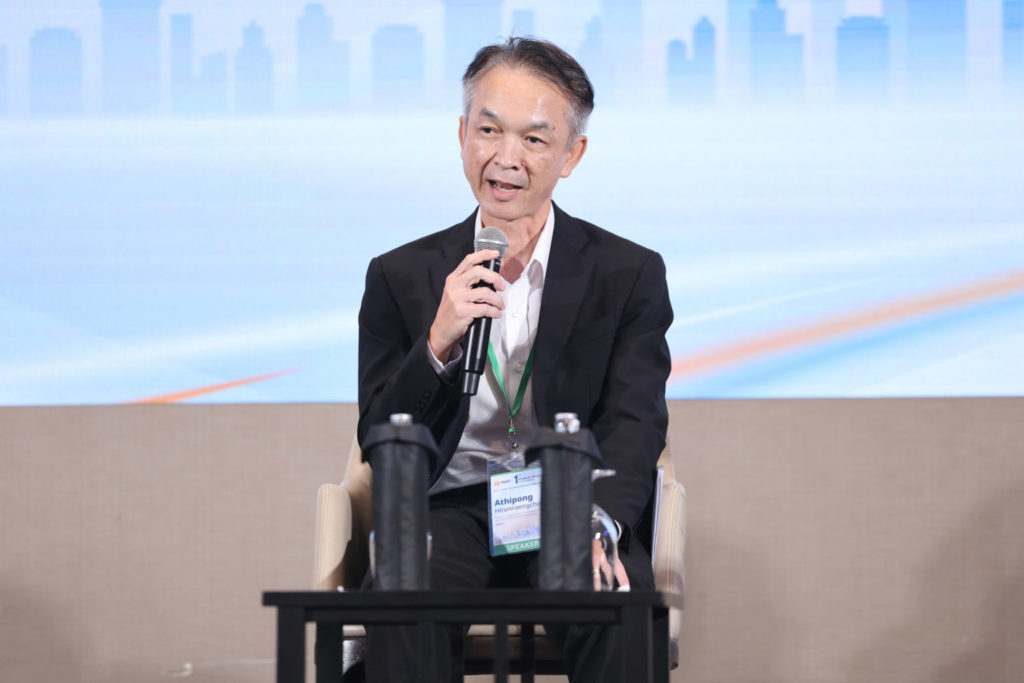
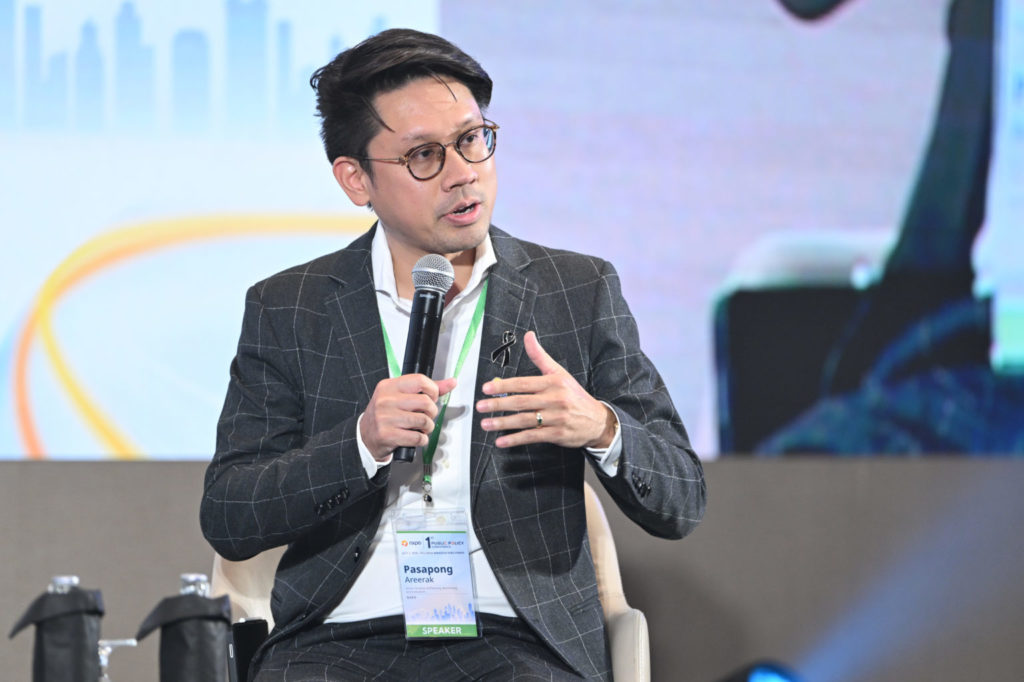
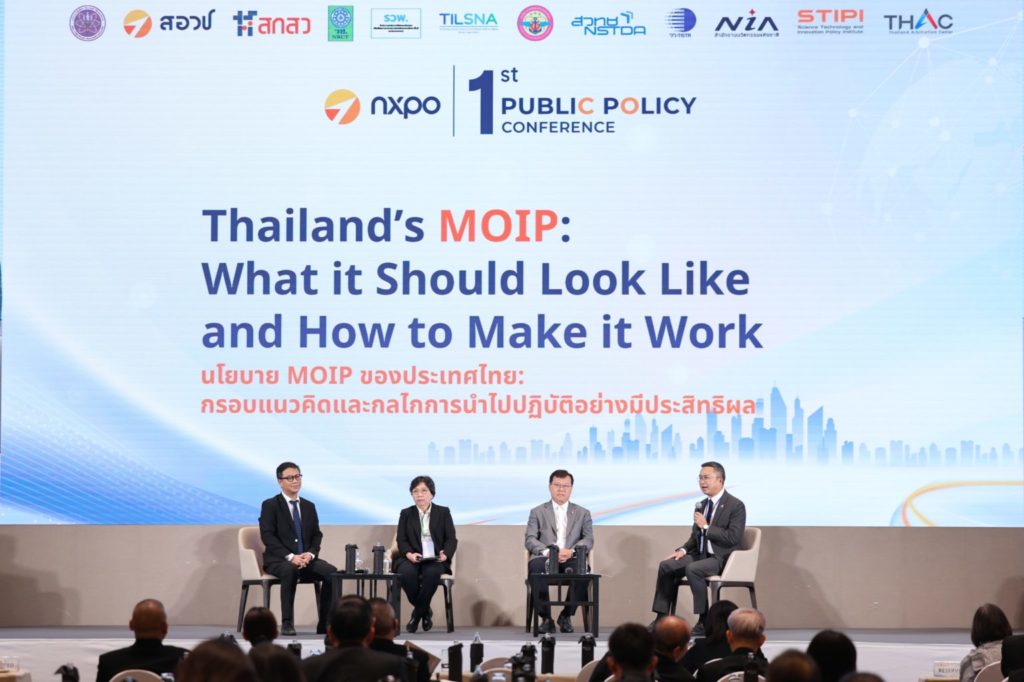
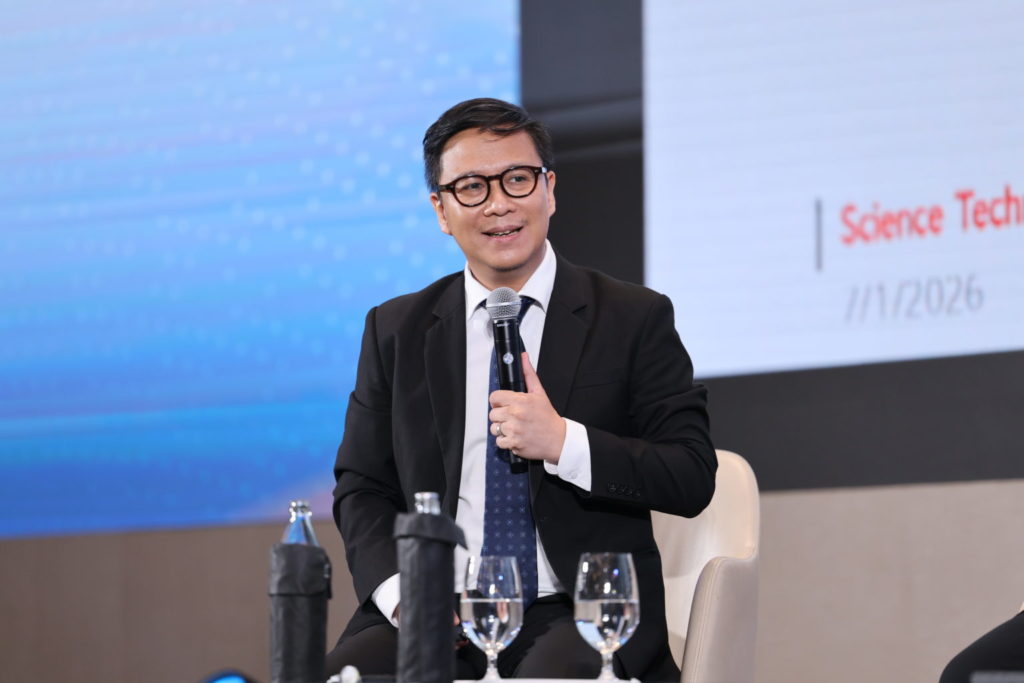
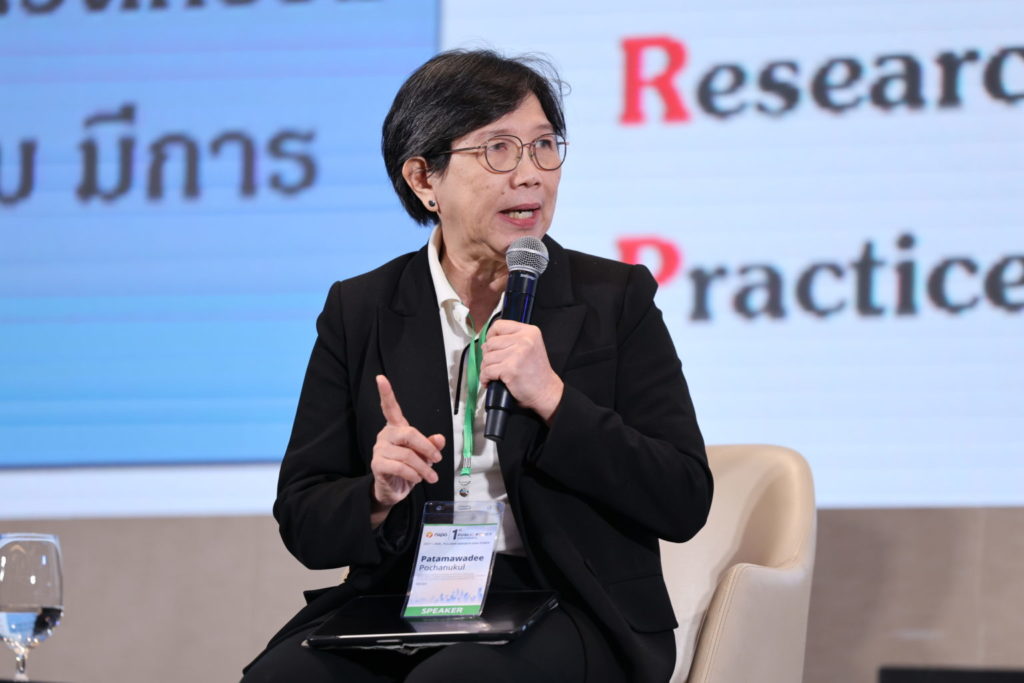
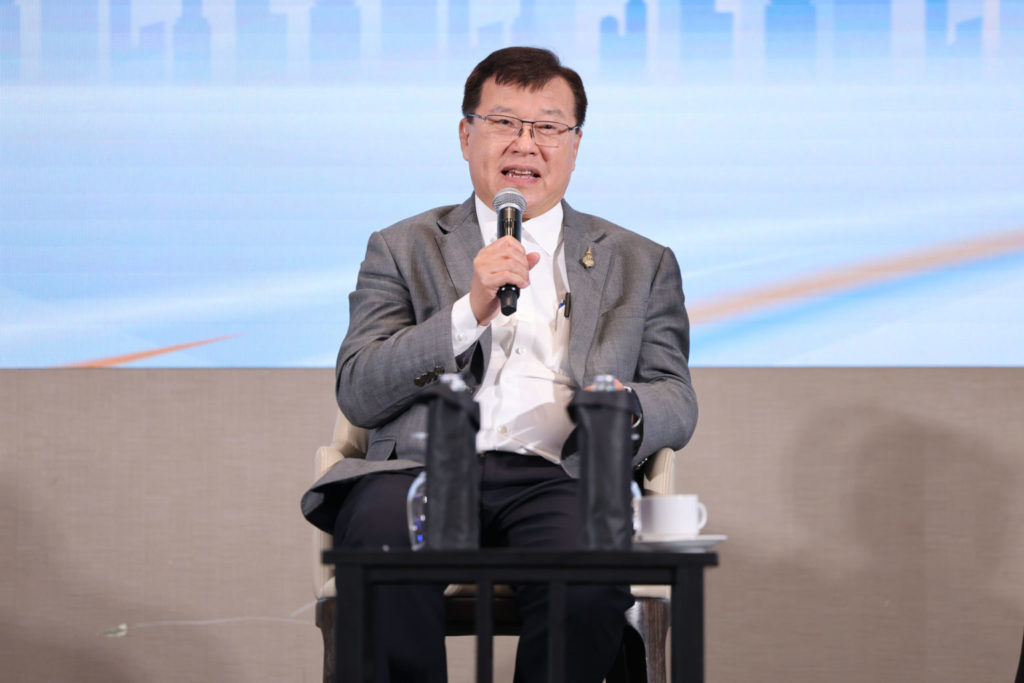
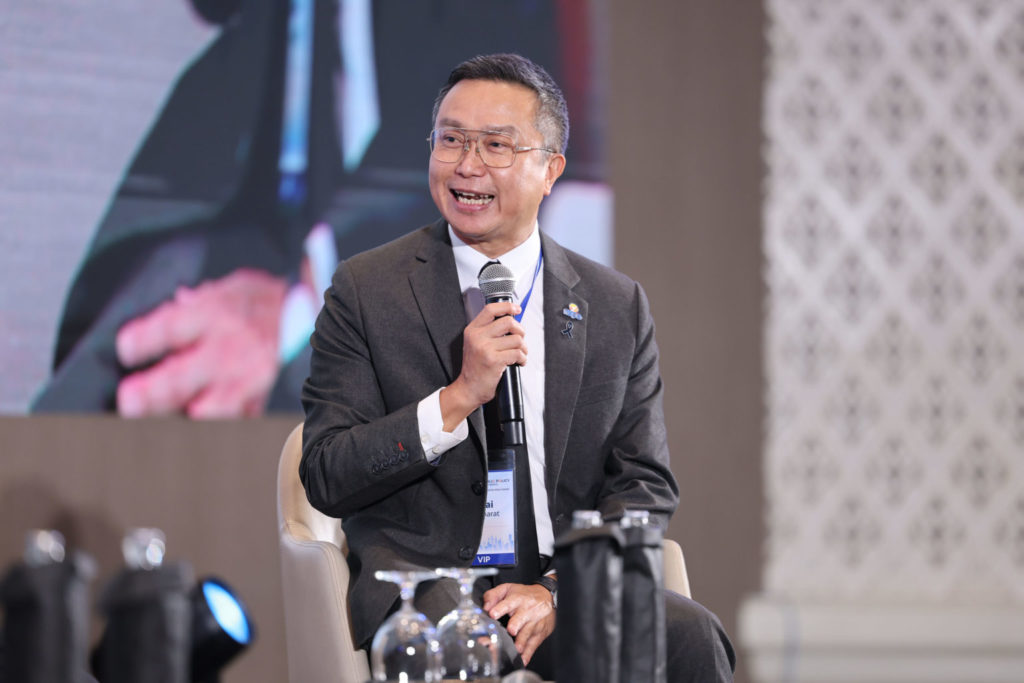
In the afternoon, the conference featured a policy dialogue on the application of MOIP in the Thai context. Dr. Surachai joined Mr. Athipong Hirunraengchok and Ms. Areepan Charoensuk, representatives of Thailand’s strategic planning and public sector reform agencies, to discuss opportunities for advancing the approach. Another panel discussion, “Thailand’s MOIP: What It Should Look Like and How to Make It Work,” brought together Dr. Pailin Chuchottaworn, Assoc. Prof. Dr. Patamawadee Pochanukul, and Dr. Bank Ngamarunchot to examine how Thailand can define national missions capable of driving long-term economic and social development while strengthening the country’s competitiveness.
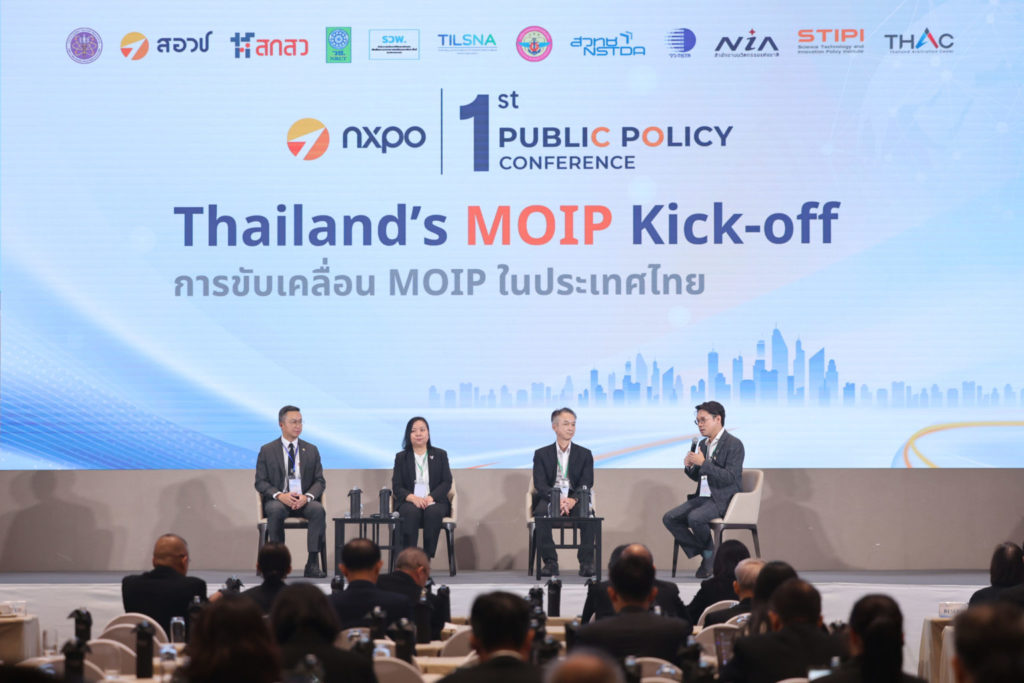
The conference marks an important milestone for NXPO in establishing a national platform for public policy dialogue and laying the foundation for the practical application of Mission-Oriented Innovation Policy in Thailand’s national policymaking. By fostering collaboration across ministries, government agencies, academia, and the private sector, the initiative aims to strengthen the role of the higher education, science, research and innovation system in addressing national challenges and fostering sustainable growth.