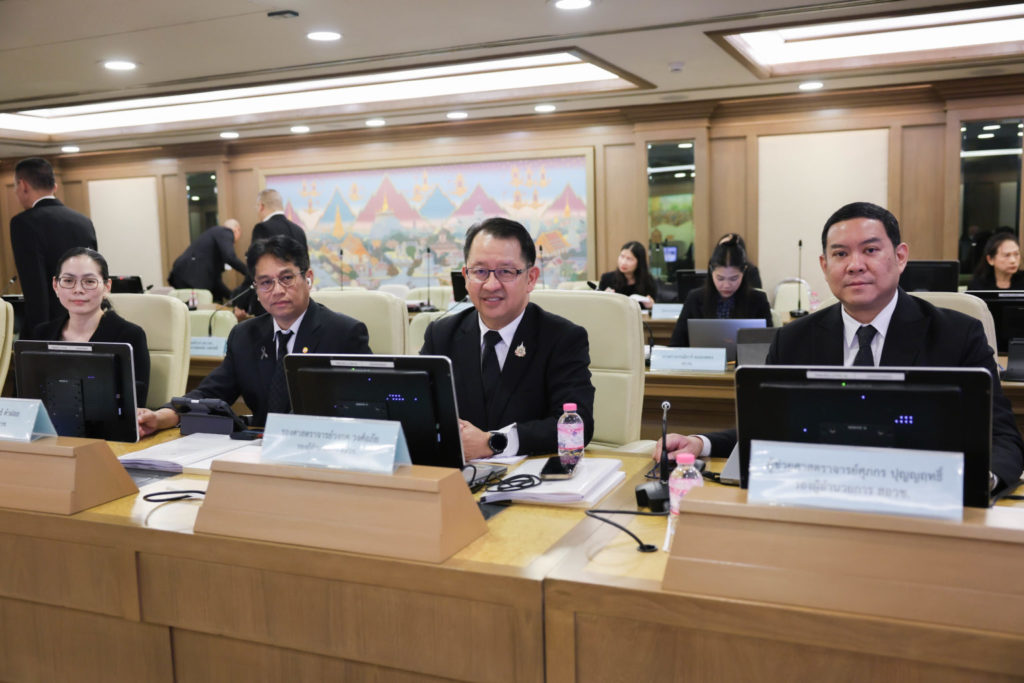
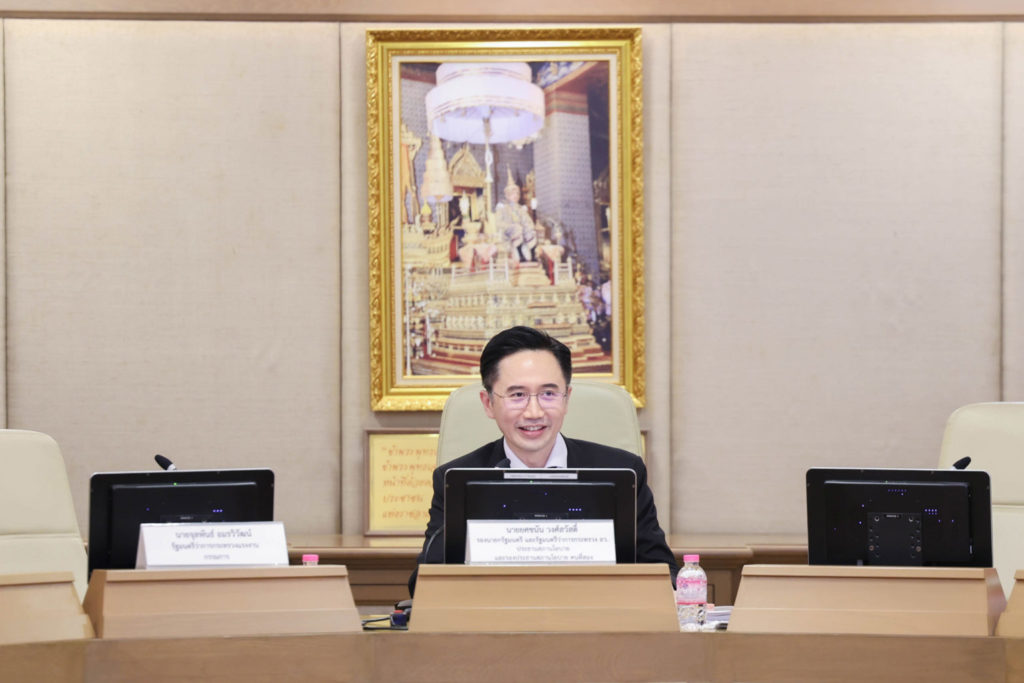
On 24 June 2026, Prof. Dr. Yodchanan Wongsawat, Minister of Higher Education, Science, Research and Innovation (MHESI) chaired the Meeting of the National Higher Education, Science, Research and Innovation Policy Council (Policy Council), comprising ministers, senior executives from relevant ministries, and distinguished experts. The meeting was also attended by Prof. Dr. Supachai Pathumnakul, Permanent Secretary of MHESI, and Dr. Surachai Sathitkunarat, President of NXPO, who serve as Secretary to the Policy Council.
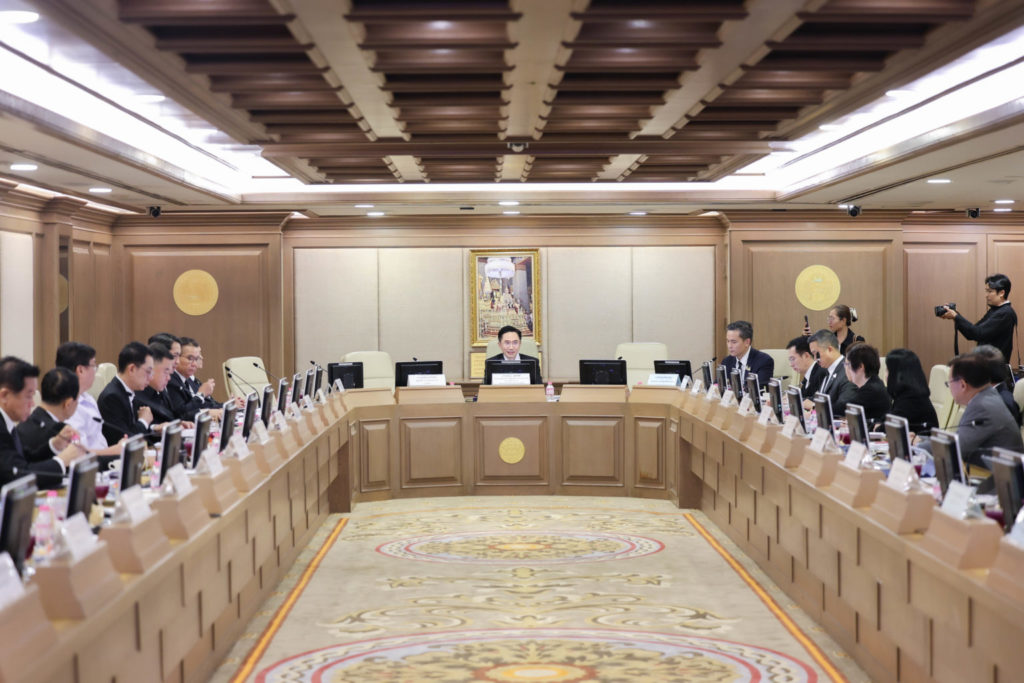

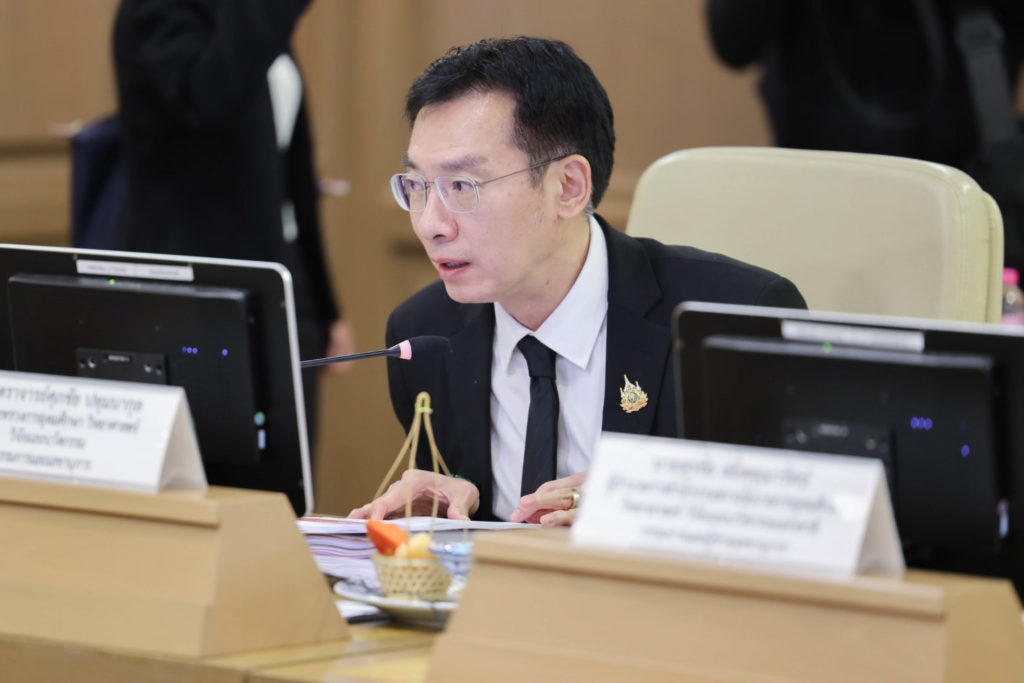
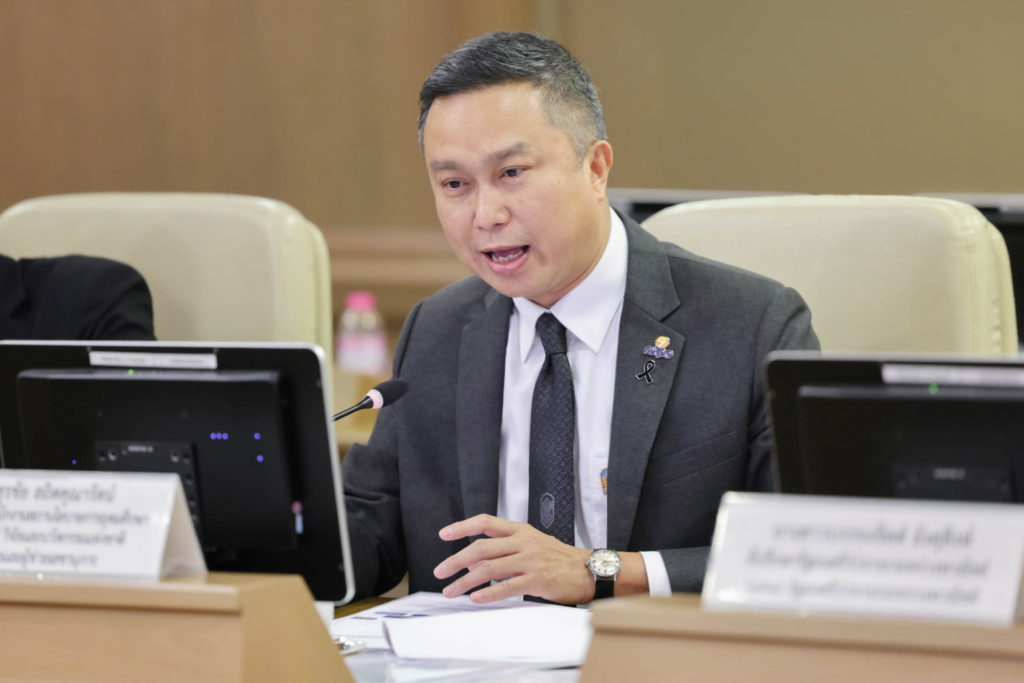
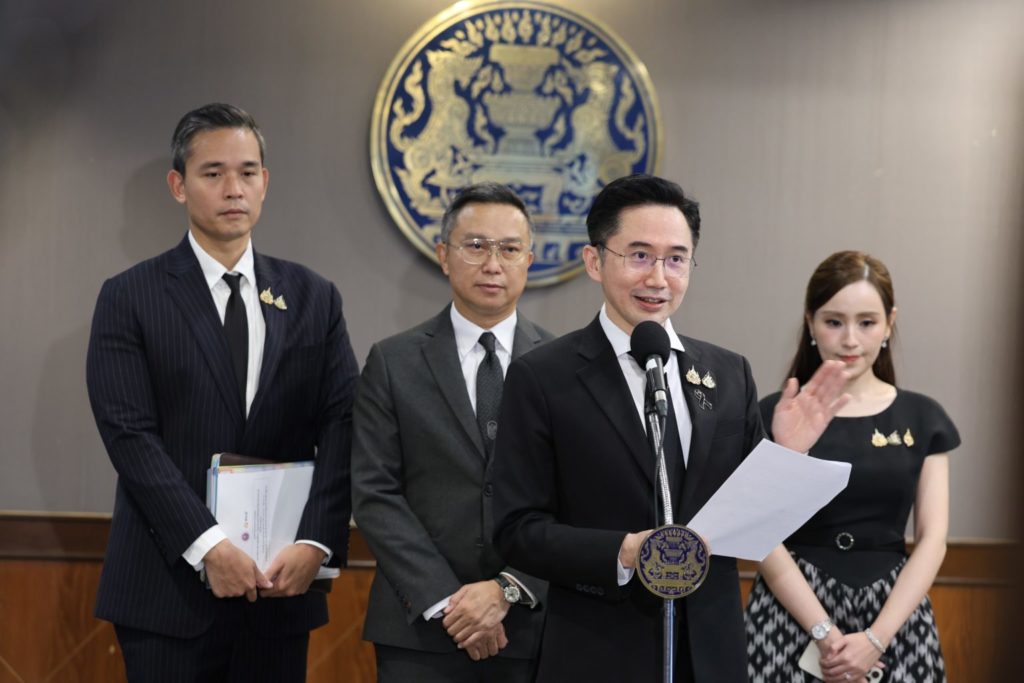
Following the meeting, Minister Yodchanan announced that the Policy Council had approved four strategic agendas aimed at accelerating Thailand’s transformation. Covering human capital development, healthcare, poverty alleviation, and emerging technologies, the initiatives are designed to strengthen the country’s long-term competitiveness, improve quality of life, and lay the foundation for sustainable economic growth.
On human capital development, Minister Yodchanan highlighted the success of the Higher Education Sandbox initiative. To date, 24 proposals have been approved, with a target of producing more than 26,620 highly skilled personnel. Of these, 16 programs have already been launched, enrolling over 2,077 students. One notable example is Chulalongkorn University’s Computer Engineering and Digital Technology Program, which has adopted an intensive block-course model and provides students with industry placements from their first year through partnerships with more than 200 companies. According to the program’s assessment, 80 percent of first-year students perform at a level comparable to or higher than third-year students in conventional programs. The model enables students to identify their strengths and areas for improvement early on while gaining practical experience throughout their studies. In parallel, MHESI is accelerating the development of a high-quality workforce to support the semiconductor industry, which is expected to become one of Thailand’s key future growth engines. The ministry is also expanding the Talent Mobility Program to facilitate the movement of researchers and academics into the private sector, helping businesses strengthen their innovation capabilities and transition toward innovation-based growth.
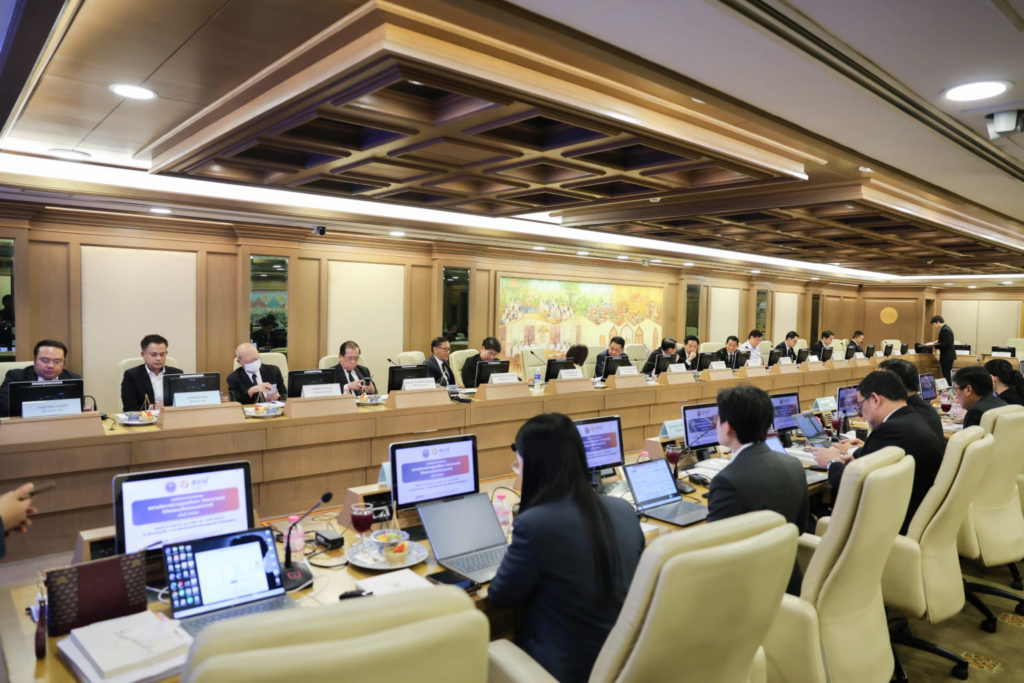
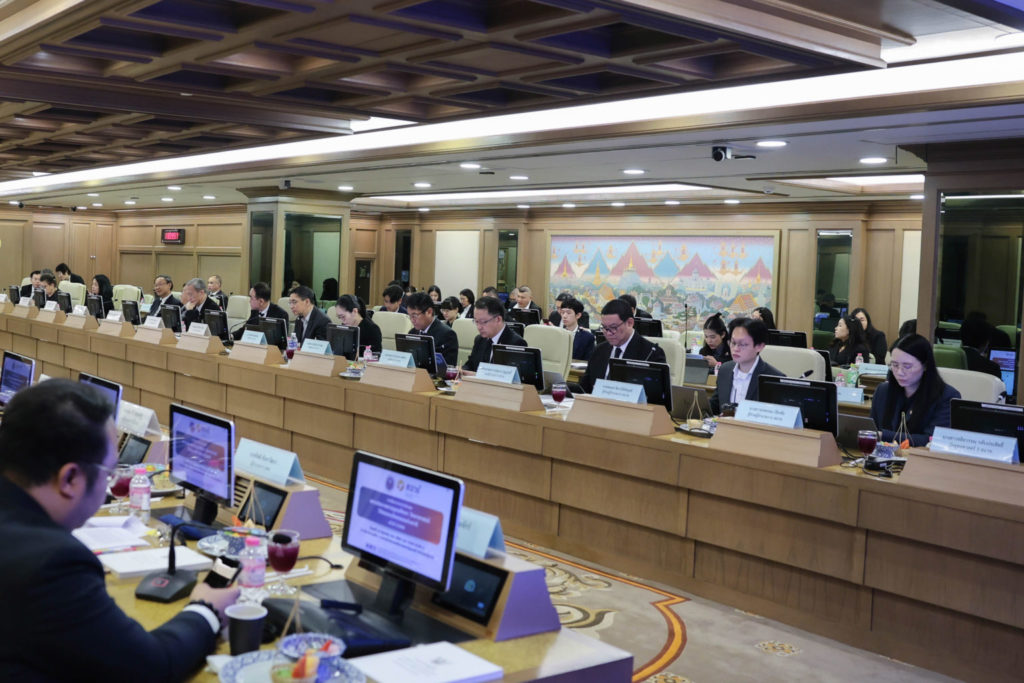
On the social and healthcare development, the meeting approved Phase II of Thailand’s Collaborative Project to Increase Production of Medical Doctors (2028–2037). The initiative aims to produce 22,200 additional physicians over the next decade through collaboration among 22 medical schools nationwide. Designed to address the challenges of an aging society and shortages of healthcare personnel, the program seeks to improve the physician-to-population ratio from 1:922 to 1:650 by 2037. It is expected to increase the total number of physicians to more than 97,763, enabling broader and faster access to healthcare services across the country.
The meeting also approved a plan to eradicate poverty and improve social mobility across five dimensions: economic well-being, living standards, health, education, and social protection. The initiative will be expanded to 20 pilot provinces, with universities serving as hubs for area-based interventions to deliver targeted and sustainable support tailored to local needs. In addition, the plan aims to drive innovation-led economic growth by increasing the number of unicorn startups from three to seven and generating up to THB 75 billion in economic value for SMEs. It also seeks to promote the adoption of smart farming systems, with the goal of increasing average household income from THB 236,000 to THB 600,000 per year.
To prepare Thailand for the future, the meeting approved Thailand’s National Quantum Economy Strategy, built around four pillars: promoting industrial applications of quantum technologies, strengthening cybersecurity, developing a skilled workforce, and advancing domestic capabilities in quantum hardware manufacturing. “Quantum technology is a future technology that is already becoming a reality. With strong commitment, Thailand can seize this opportunity. Rather than building quantum computers, we will focus on applying quantum technologies to create value in industries where Thailand already has strengths,” said Minister Yodchanan. The meeting also designated artificial intelligence (AI) as a national priority agenda. The initiative aims to elevate Thailand from a user of AI technologies to a developer and innovator through investments in talent development, data resources, and GPU infrastructure. By leveraging its strengths in healthcare and life sciences, Thailand seeks to become a regional leader in medical and biological AI while positioning itself as a leading technology hub in ASEAN.