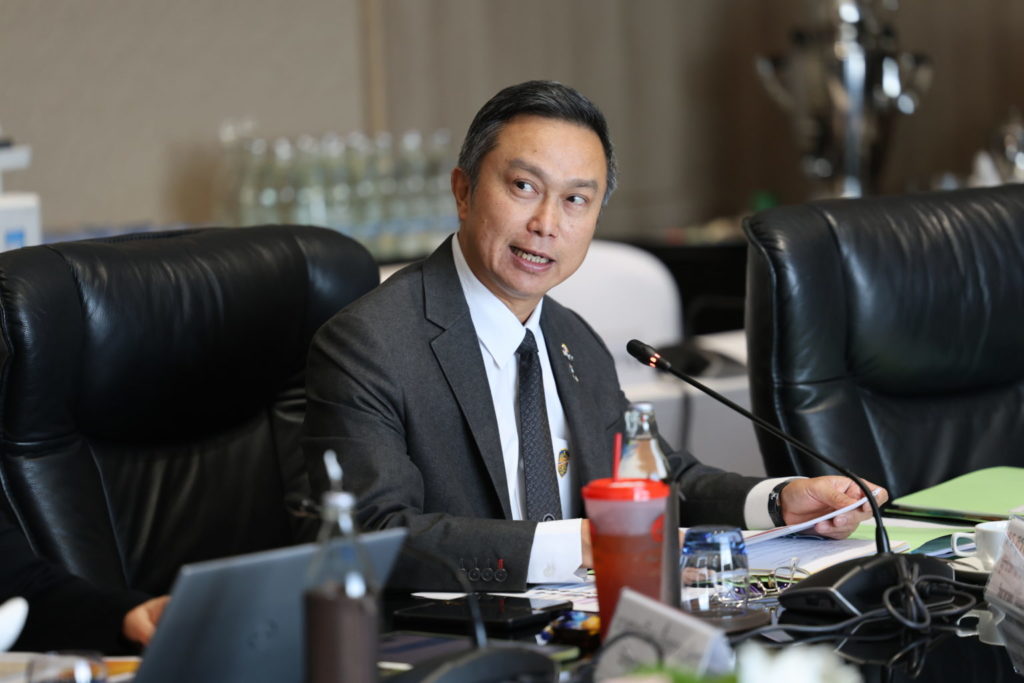
On 22 June 2026, Prof. Dr. Supachai Pathumnakul, Permanent Secretary of the Ministry of Higher Education, Science, Research and Innovation (MHESI), chaired the NXPO Executive Board Meeting. Dr. Surachai Sathitkunarat, President of NXPO, served as Board Member and Secretary to the meeting.
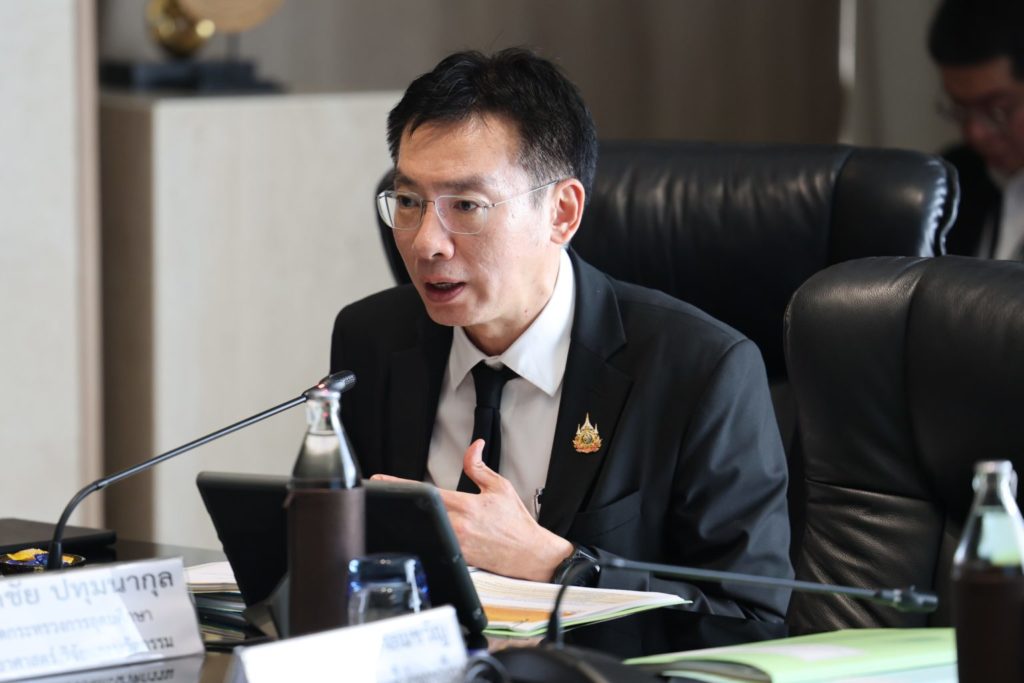
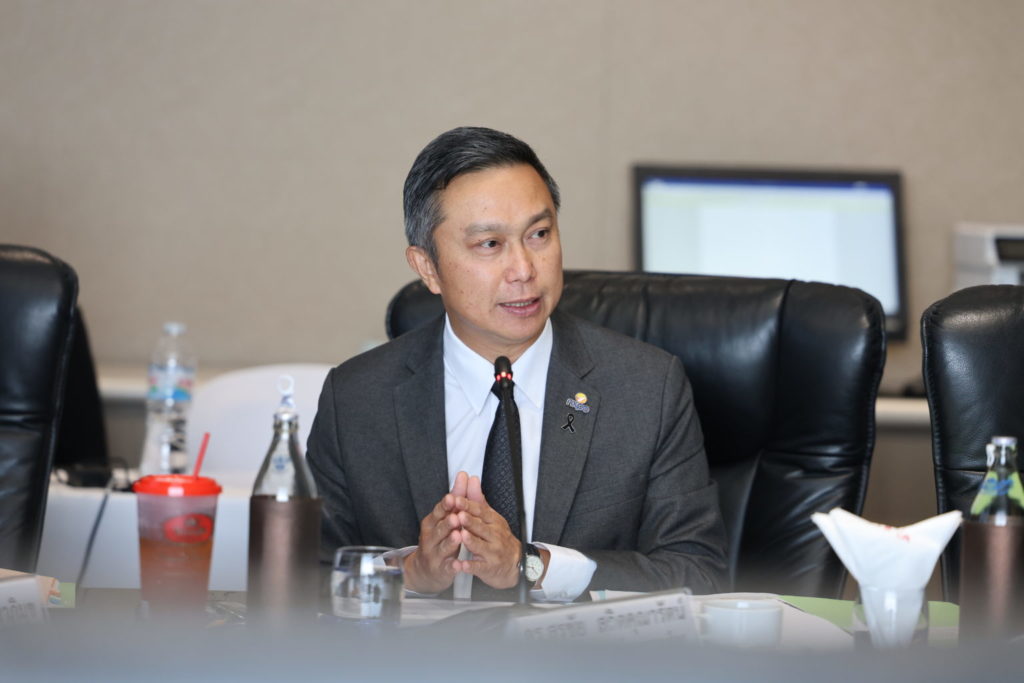
Under the agenda on Thailand’s Technology Needs Assessment (TNA) Phase II, Dr. Srichattra Chaivongvilan, Strategist at NXPO, presented the project and emphasized that climate change is no longer a challenge of the future but an urgent issue affecting the global economy, international trade, and Thailand’s competitiveness. The TNA serves as a strategic mechanism to identify priority technologies that need to be developed, adopted, or transferred to support greenhouse gas mitigation and strengthen the country’s adaptive capacity.
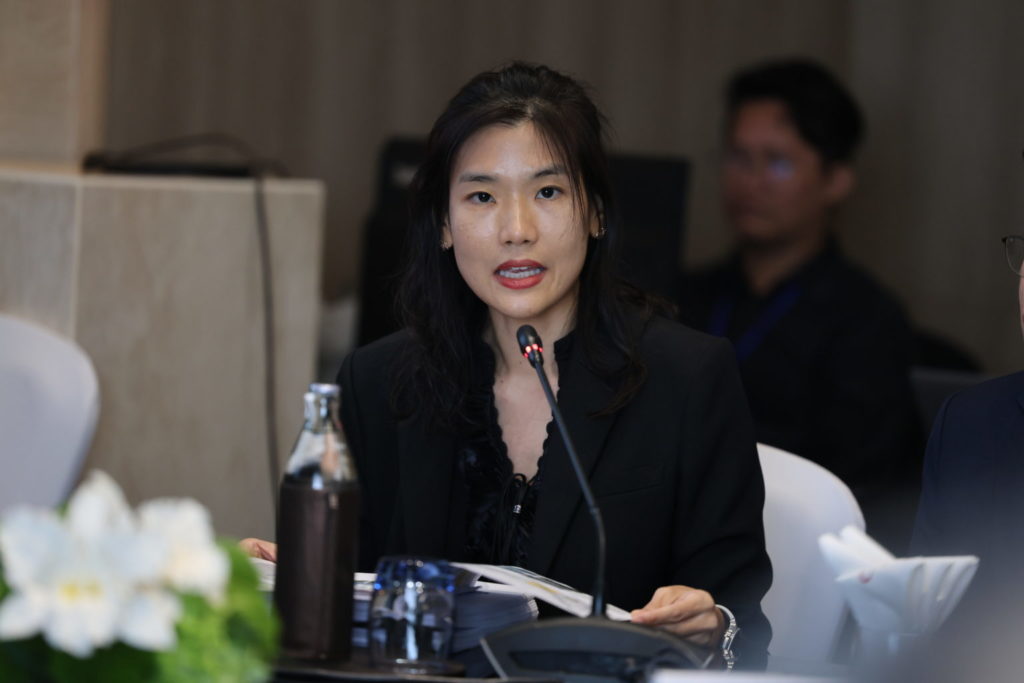
The TNA is implemented under the framework of the United Nations Framework Convention on Climate Change (UNFCCC) to support developing countries in assessing, planning, and prioritizing climate technologies. The project is funded by the Global Environment Facility (GEF), with technical support from the United Nations Environment Programme (UNEP) and the UNEP Copenhagen Climate Centre, both of which have worked closely with NXPO.
Thailand previously conducted its first TNA during 2010–2012. The results were incorporated into several national strategies, including the Climate Change Master Plan, the Nationally Determined Contribution (NDC) Roadmap, the National Adaptation Plan, and Thailand’s Long-Term Low Greenhouse Gas Emission Development Strategy. The first TNA also facilitated access to international climate finance, supporting projects funded by the Green Climate Fund (GCF) in areas such as water management and climate-smart agriculture, implemented by agencies including the Royal Irrigation Department and the Rice Department.
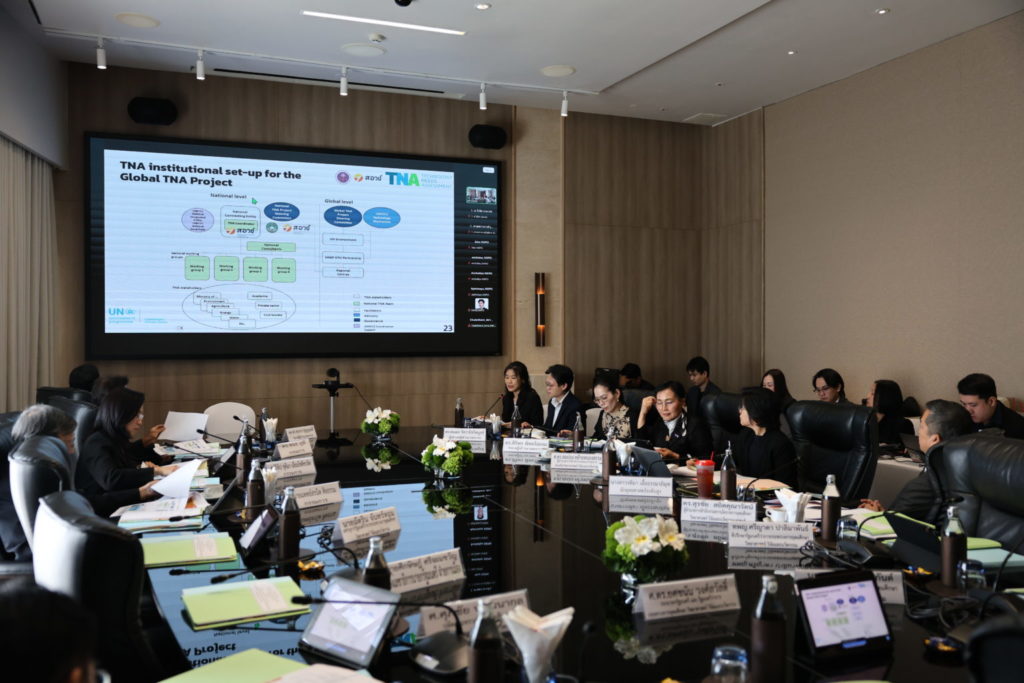
Thailand was subsequently selected to participate in Phase V of the Global TNA Programme for 2025–2027. NXPO, represented by Dr. Surachai, serves as the national TNA coordinator and works in collaboration with the Department of Climate Change and Environment (DCCE), as well as representatives from government agencies, academia, the private sector, and other stakeholders.
Dr. Srichattra noted that the second TNA builds on lessons learned from the first assessment by placing greater emphasis on stakeholder engagement, incorporating transformative technologies that have emerged over the past decade, strengthening linkages with international financing mechanisms, and assessing environmental, economic, and social impacts. The assessment also aligns with the objectives and evolving rules under the Paris Agreement, including Thailand’s enhanced greenhouse gas reduction targets and its ambition to achieve net-zero emissions by 2050.
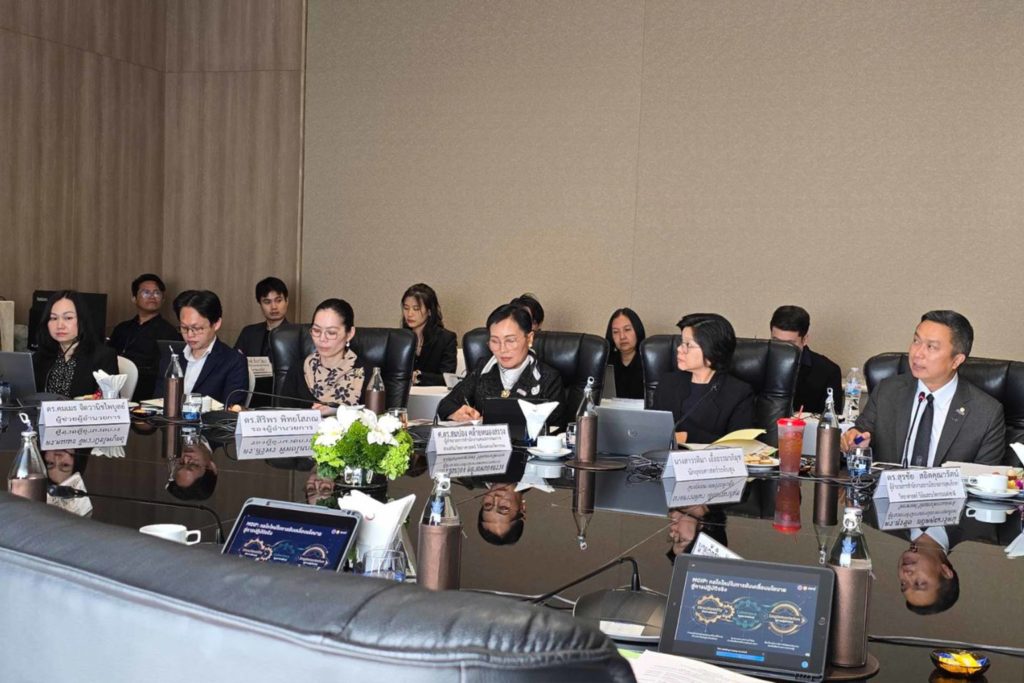
The second TNA follows methodologies prescribed by UNEP and the UNFCCC. The process includes strategic foresight analysis, STEEP analysis, system mapping, preparation of technology fact sheets, multi-criteria analysis, and evaluation matrices to assess technological impacts and readiness. Four strategic sectors have been identified: energy, agriculture, water resources management, and human settlements and security.
For greenhouse gas mitigation, the energy sector has identified several priority technologies, including Small Modular Reactors (SMRs), Sustainable Aviation Fuel (SAF), carbon capture, utilization and storage technologies (CCS/CCUS/BECCS), and Solar PV for Infrastructure. In the agriculture sector, priority technologies include methane reduction technologies for ruminants, genetically modified rice varieties, nitrification inhibitors to reduce nitrous oxide emissions, and Near-Infrared (NIR) sensor technologies to enhance agricultural productivity and management.
For climate adaptation, the water resources sector prioritized technologies such as real-time IoT-based water quality monitoring systems, Underground Attenuation and Storage (UAS), Managed Aquifer Recharge (MAR), and Physics-Guided Long Short-Term Memory (PG-LSTM) models. Meanwhile, the human settlements and security sector identified the Thailand Climate Integrated Model (ThaICIM), resilient energy systems for disaster preparedness, Passive Radiative Cooling (PRC) materials, and Digital Twin-based Climate Risk Urban Planning Platforms as priority technologies.
“The Phase II TNA report is currently being revised in accordance with UNEP’s format and recommendations. The next stage will involve preparing the Barrier Analysis and Enabling Framework reports, followed by the development of Technology Action Plans (TAPs) between June 2026 and March 2027. These will subsequently be translated into project proposals to mobilize funding, investment, and practical deployment in Thailand,” said Dr. Srichattra.
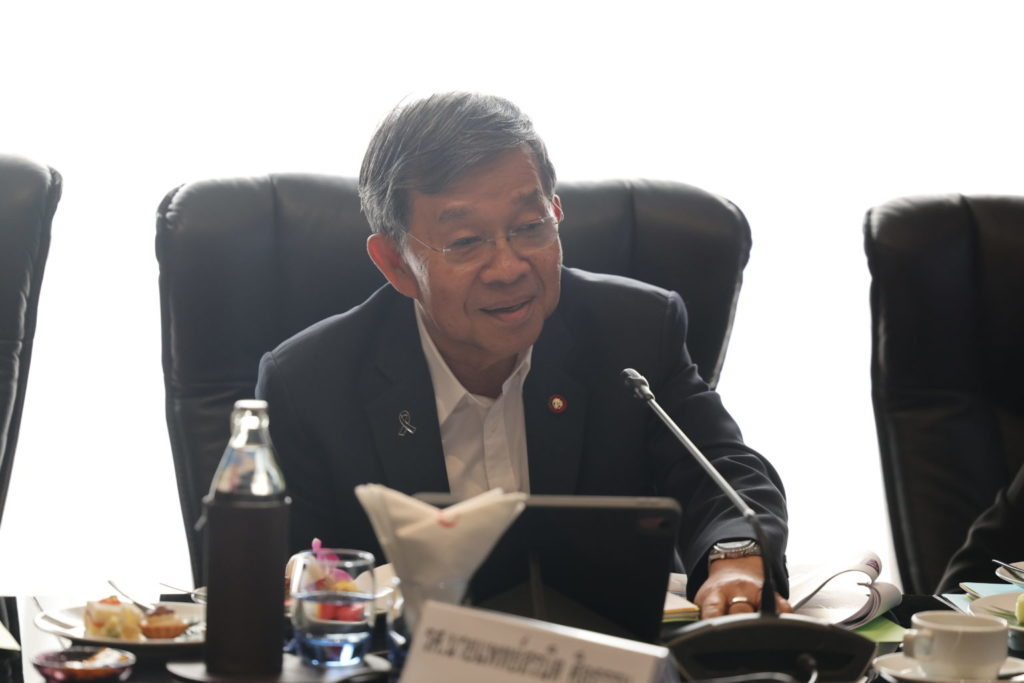
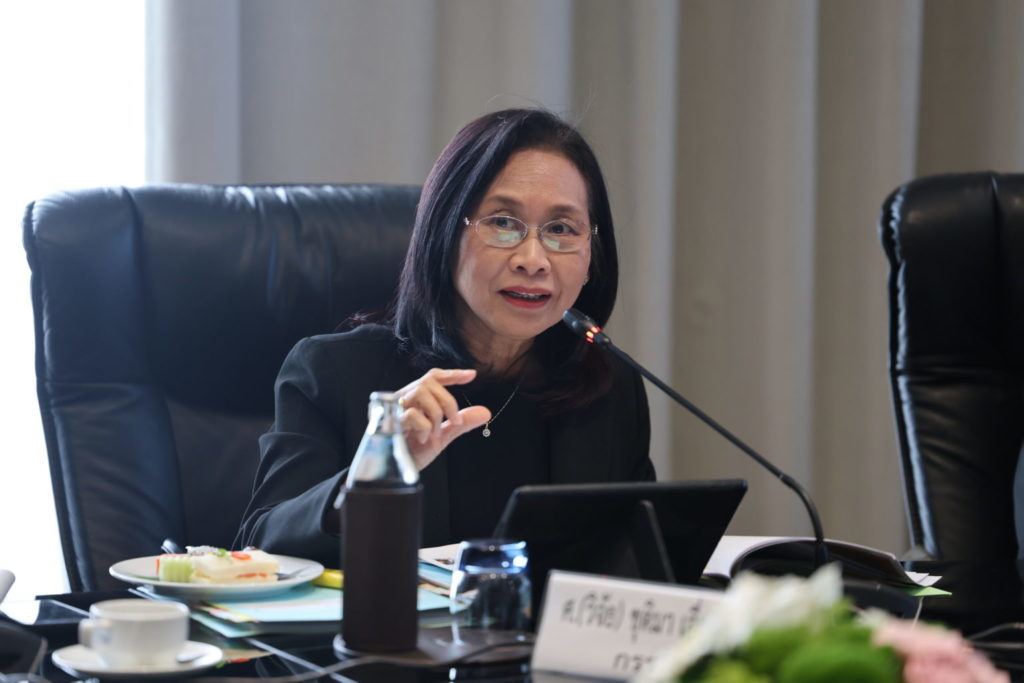
Board members engaged in extensive discussions and emphasized the importance of translating the assessment results into concrete actions. They stressed that implementation should be linked to responsible agencies and supported by clear budget allocations, research and innovation mechanisms, international financing instruments, and industry demand. The Board also highlighted the need to assess Thailand’s technological readiness, technology gaps, economic returns, and investment attractiveness for the private sector. In addition, members underscored the importance of developing human resources in parallel with the deployment of advanced technologies. Particular attention was given to SMR technology, which requires highly specialized personnel and long-term capacity building. Participants also proposed including technologies for municipal and industrial waste management, which could address environmental challenges while generating economic value.

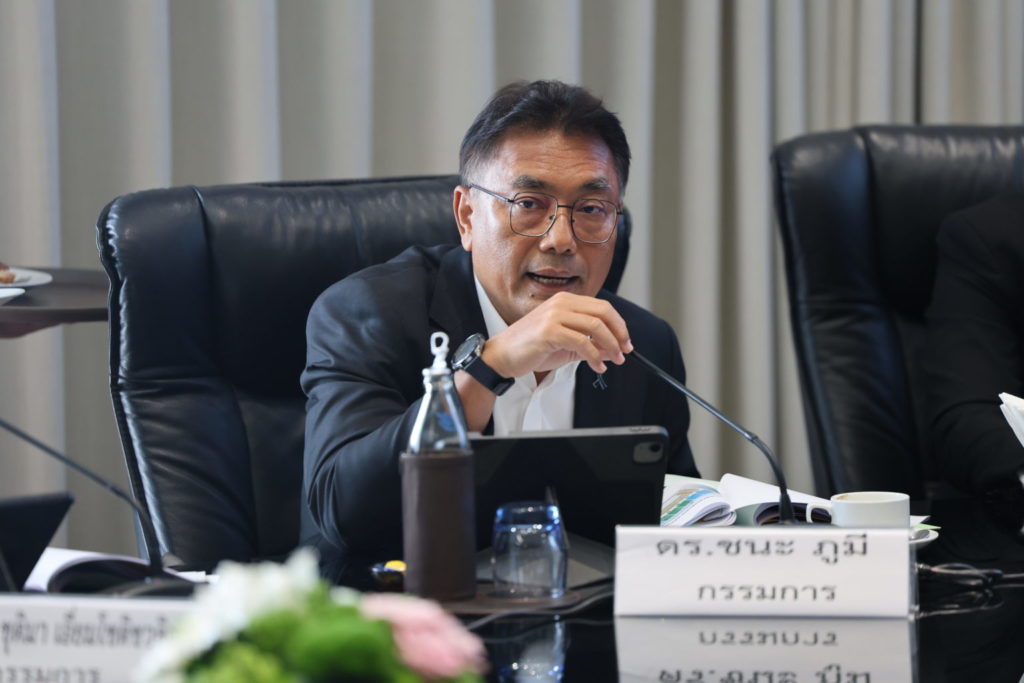
Dr. Surachai explained that the second TNA places stronger emphasis on implementation and on leveraging international financing mechanisms, particularly the GCF and GEF. Certain technologies, such as green hydrogen, carbon capture technologies, and SMRs, remain costly and are not yet commercially viable for private-sector investment alone. NXPO therefore intends to work closely with DCCE, research and innovation agencies, industry, and other stakeholders to translate technology recommendations into concrete plans, projects, and support mechanisms.
NXPO will incorporate the Board’s recommendations into the next phase of the project, particularly in the analysis of barriers and enabling factors, the identification of lead agencies and budget mechanisms, human resource requirements, and linkages with the national Science, Research and Innovation Plan. This will enable the second TNA to serve as a strategic instrument for advancing climate technologies from assessment to implementation, supporting Thailand’s net-zero ambition and enhancing the country’s long-term competitiveness.
In addition, Dr. Surachai briefed the Board on the upcoming 1st NXPO Public Policy Conference: “Thailand Strategic Leap through Mission-Oriented Innovation Policy (MOIP)”, which will be held on 1 July 2026. The conference aims to promote knowledge exchange on mission-oriented innovation policy and its application in shaping Thailand’s higher education, science, research, and innovation strategies.
The event will feature keynote lectures by leading international experts, including Philippe Larrue of the OECD, who will share experiences in mission design, governance, and policy implementation, and Professor Mariana Mazzucato of the UCL Institute for Innovation and Public Purpose (IIPP), who will discuss how to translate visions into action. Panel discussions on the application of MOIP in Thailand will explore how public policy systems can more effectively address national challenges and deliver tangible outcomes. The conference will be livestreamed via NXPO’s official Facebook page.