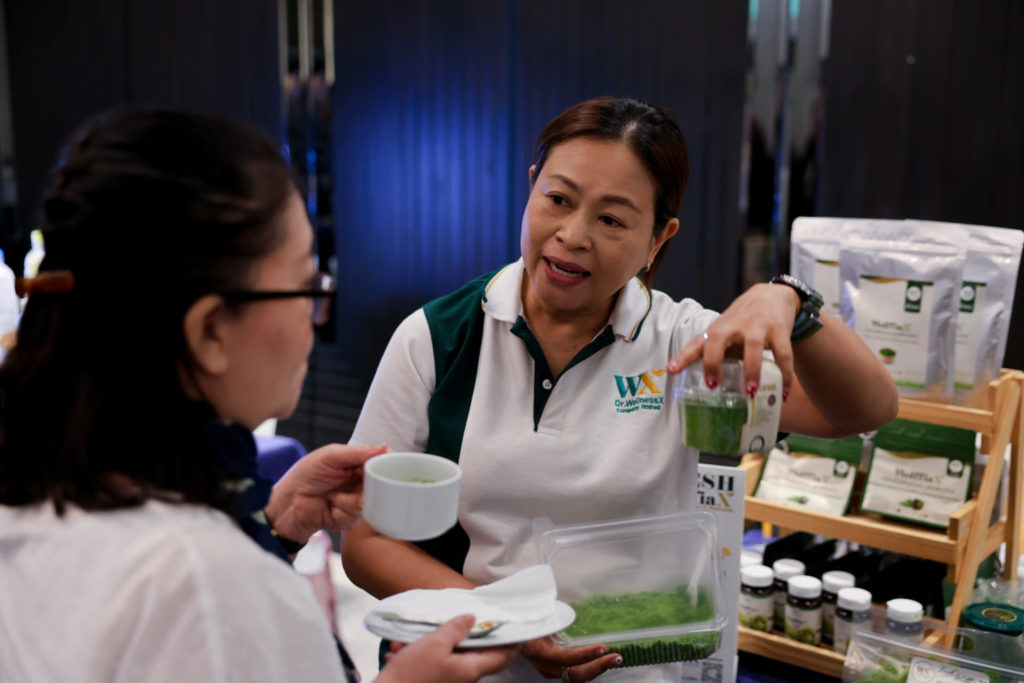
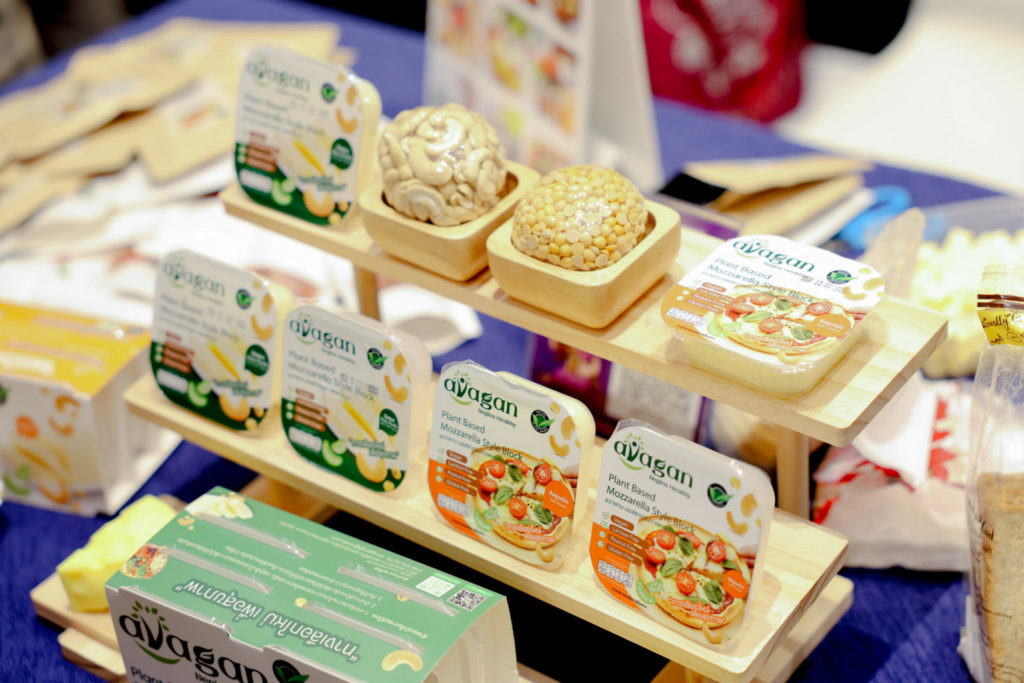
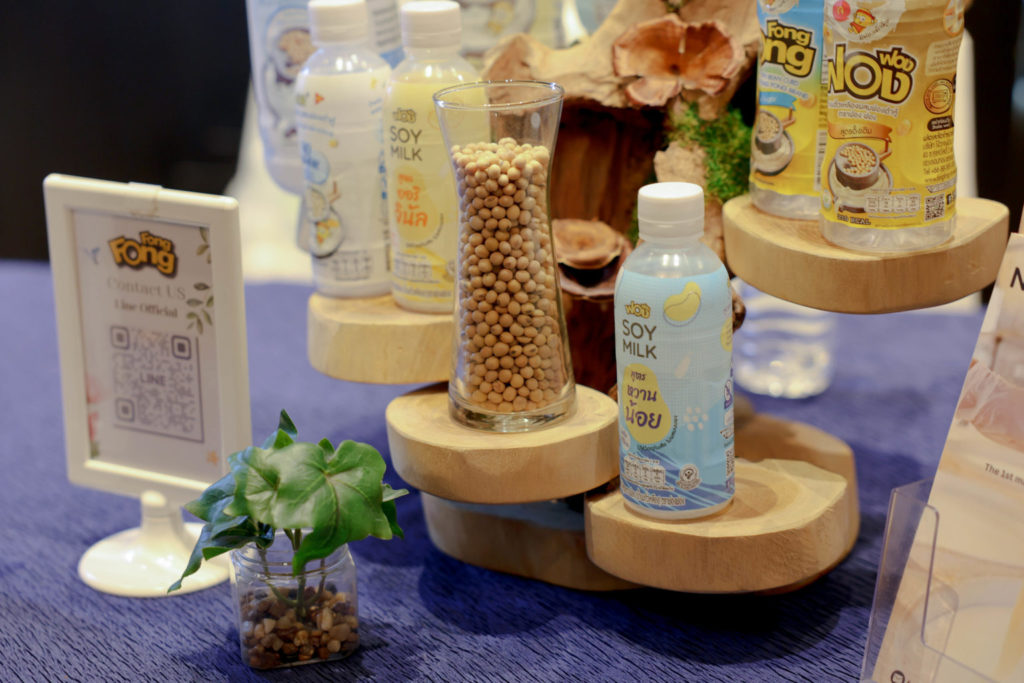
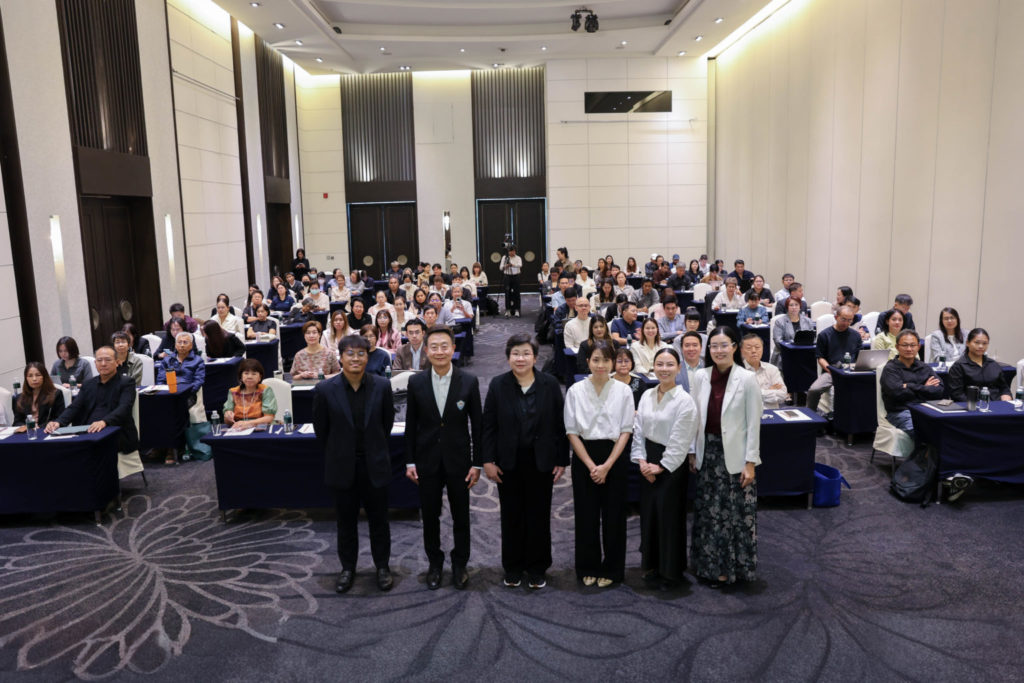
On 9 April 2026, NXPO, in collaboration with the Thai Chamber of Commerce and SME Thailand, hosted a seminar and focus group discussion titled “Plant-Rich Food System: From Trend to Opportunity” at Graph Hotel Ratchada in Bangkok. The event aimed to advance Thailand’s future food system in line with global trends in health and sustainability.
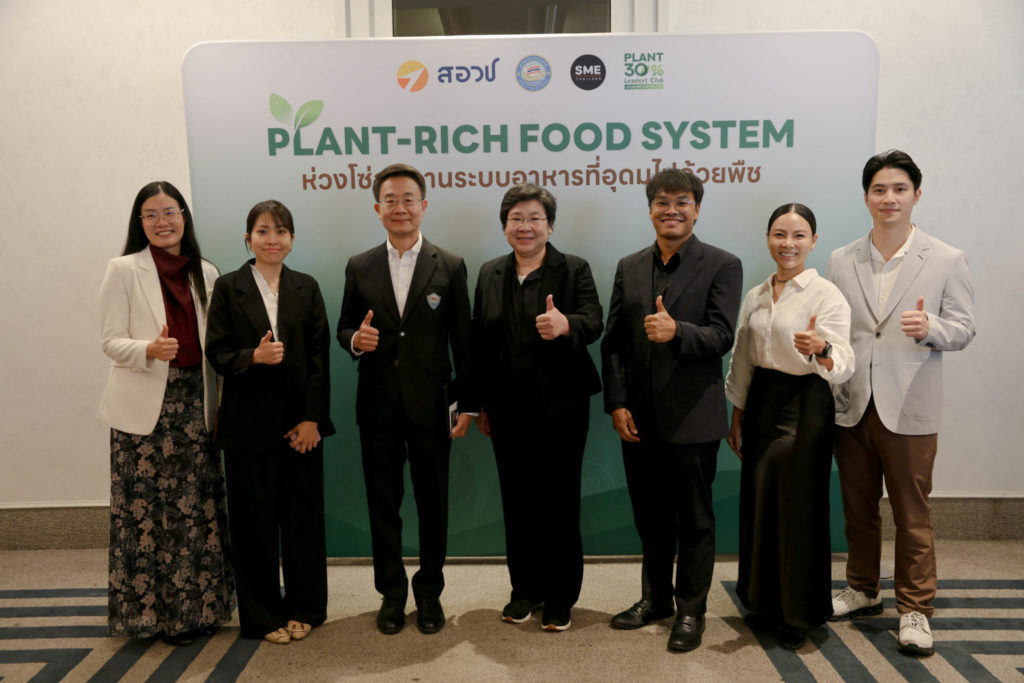
In her opening remarks, Dr. Nataporn Chanvarasuth, Senior Strategist at NXPO, emphasized that consumers worldwide—including in Thailand—are increasingly prioritizing health, environmental concerns, and sustainability. As a result, plant-rich diets are no longer a passing trend but are emerging as a significant economic opportunity for Thailand’s food industry. She noted that the forum serves as a key platform to raise awareness and connect producers, entrepreneurs, and stakeholders to systematically strengthen the country’s plant-based food market.
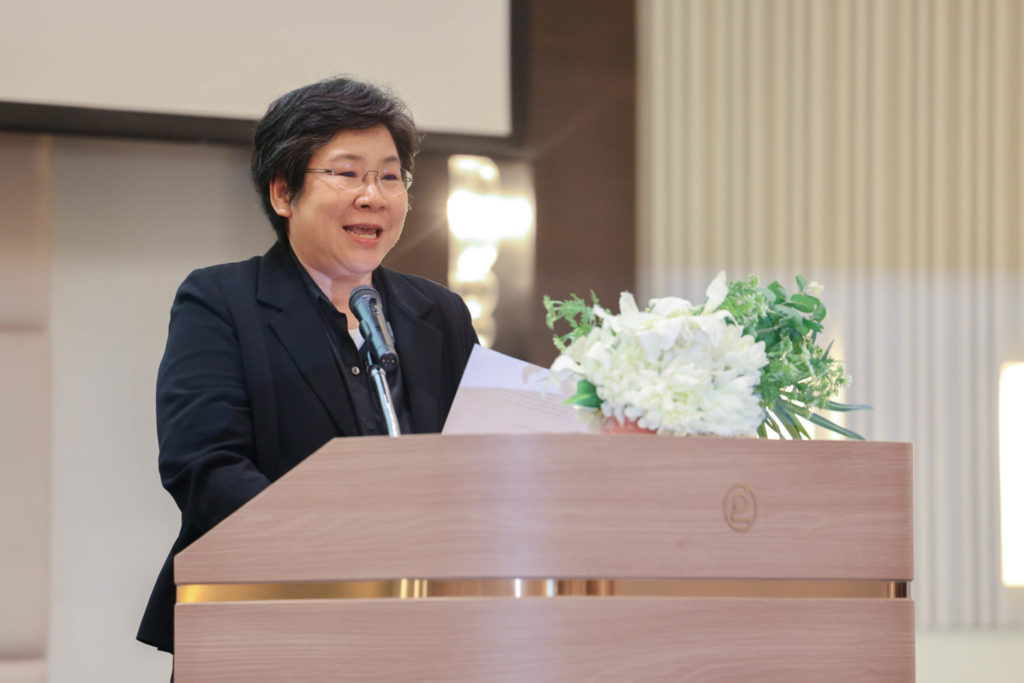
Plant-based foods span a wide spectrum—from whole food ingredients such as vegetables, mushrooms, legumes, grains, and duckweed, to minimally processed products like tofu and tempeh—offering benefits in health, sustainability, and taste. However, challenges remain, including the need for stronger policy support, market development, and improvements in taste, affordability, and consumer understanding of nutrition.
Dr. Nataporn added that NXPO is aligning this initiative with Thailand’s Bioindustry Development Framework (2026–2035), which aims to transition the country toward an innovation-driven economy and generate over THB 1 trillion in added economic value. Future food and alternative proteins have been identified as key target industries, supported by three strategic pillars: attracting advanced technology investment, establishing R&D consortia, and developing standards and regulations to accelerate commercialization.

Ms. Sirinya Lim, Senior Director of Bioeconomy Policy at NXPO, revealed that Thailand’s future food market was valued at over THB 344 billion in 2025, with the alternative protein segment alone accounting for THB 50 billion and continuing to grow. This reflects global consumer trends, with more than 57% prioritizing health and sustainability.

She also highlighted national efforts to diversify protein sources, with a target to increase plant-based protein consumption to 30% by 2050 in support of Thailand’s carbon neutrality and net-zero emissions goals. Key initiatives include the “Accelerating Thailand’s Protein Transition: Advancing Plant-Rich Diets for a Sustainable Future” project and the “Plant 30% Leaders Club” campaign, both aimed at stimulating demand and expanding markets in the food service and retail sectors.
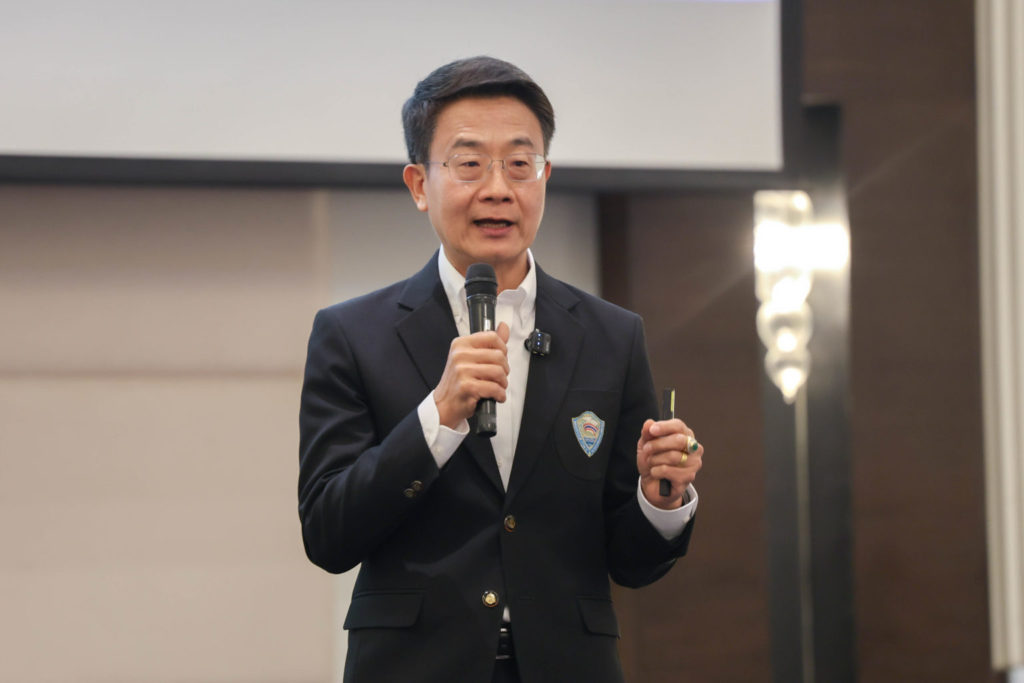
Dr. Visit Limlurcha, President of the Future Food Trade Association and Chairman of the Processed Food and Future Food Committee at the Thai Chamber of Commerce, noted that Thailand holds a distinct advantage due to its rich diversity of raw materials and strong food industry base. These strengths can be leveraged to develop high-value products such as functional foods, alternative proteins, and medical nutrition to meet rapidly growing global demand.
He emphasized that the transition toward a plant-rich food system requires a fundamental shift—from reliance on animal-based proteins to a more balanced, sustainable, and value-added food ecosystem. This shift aligns with evolving consumer preferences for healthier, more personalized, and convenient food options.
For industry players, this represents a critical window to transform agricultural outputs into future food. Achieving this will require investment in research, innovation, and regulatory compliance, alongside enhancements in packaging, marketing strategies, and business models to keep pace with changing consumer expectations.

Mr. Marut Jailuk, Business Development Officer at Food Innopolis under the National Science and Technology Development Agency (NSTDA), highlighted that the plant-rich food system is also a strategic response to global supply chain volatility and rising food costs—particularly those driven by energy prices and imported fertilizers. Thailand’s comparative advantage lies in its diverse local ingredients, including herbs, indigenous rice varieties, and mushrooms, which can be developed into distinctive plant-rich offerings. Food Innopolis plays a key role in bridging research, technology, and industry—from product development and testing to knowledge transfer—helping elevate Thai ingredients to international standards and transform cost challenges into long-term economic opportunities.
The event also featured a panel discussion showcasing insights from leading brands, including Jones’ Salad, Vegan Mahanakhon, and Flo Wolffia, highlighting practical lessons in building plant-based food businesses.
For more information on plant-rich diets, please visit: https://plantrichdiet.nxpo.or.th/