Fiscal Year 2025 marked another pivotal year in advancing Thailand’s higher education, science, research and innovation agenda. As the national policy agency under the Ministry of Higher Education, Science, Research and Innovation (MHESI), NXPO plays a central role in setting strategic direction, integrating cross-sectoral efforts, and aligning the entire higher education, science, research and innovation system toward shared national goals.
Dr. Surachai Sathitkunarat, President of NXPO, emphasized that amid rapid global transformation, NXPO has continued to lay strong policy foundations to enhance Thailand’s competitiveness, strengthen area-based development, accelerate the transition toward net-zero emissions, develop high-skilled human capital, and improve systemic efficiency. These efforts aim to equip Thailand to address future challenges, and seize emerging opportunities.
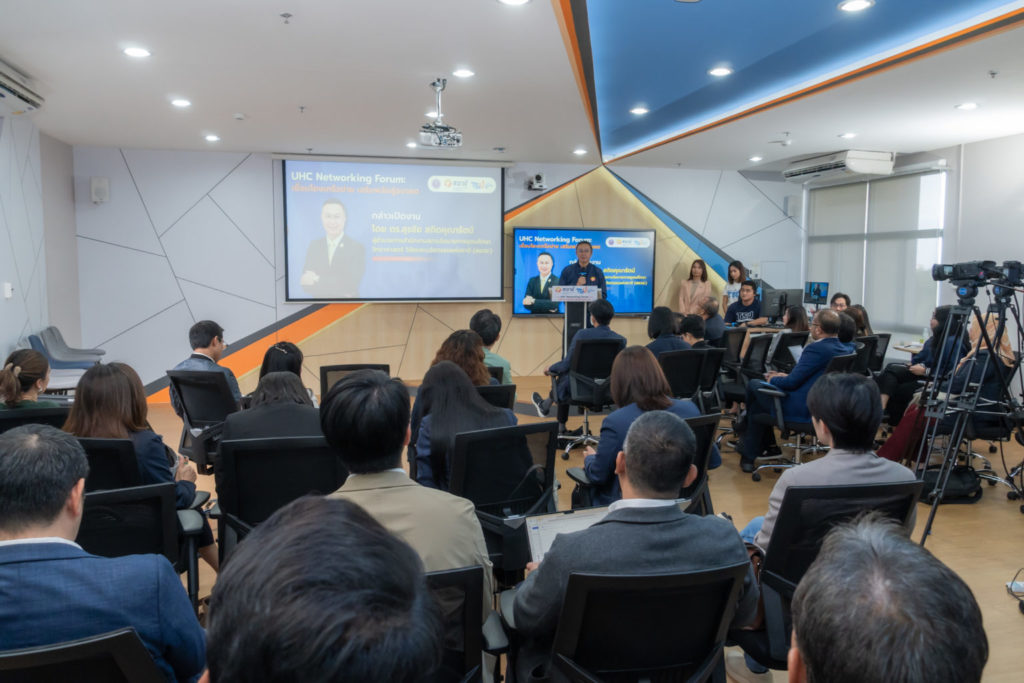
In competitiveness enhancement, over the past year, NXPO has supported entrepreneurs in scaling up and expanding into both domestic and international markets, while strengthening mechanisms to translate research into commercialization. A key instrument has been the University Holding Company (UHC) mechanism, designed to bridge academia and industry. To date, 12 UHCs have been established, supporting more than 110 startups with total investments exceeding 500 million THB. To further connect research with markets, NXPO launched the E-Commercial and Innovation Platform (ECIP) in collaboration with regional science parks. The platform facilitates the transition of research outputs into real-world applications both domestically and internationally. NXPO has also promoted Thai participation in global value chains in future-oriented industries, including future food, synthetic biology, semiconductors, and smart electronics—sectors characterized by high knowledge intensity and value creation.

In terms area-based development, social mobility has been identified as a key objective. NXPO has launched initiatives to reduce inequality in access to education and skills development, particularly for vulnerable groups. Pilot programs were implemented in Sangkha District (Surin Province) and Umphang District (Tak Province). To reinforce long-term impact, NXPO formulated the Higher Education and Science Framework for Area-Based Development and Inequality Reduction (2026–2027), providing a policy blueprint for grassroots economic and social transformation. In parallel, the Social Enterprise Incubation Platform (SEIP) was established to strengthen entrepreneurial capabilities while generating measurable social impact in local communities.
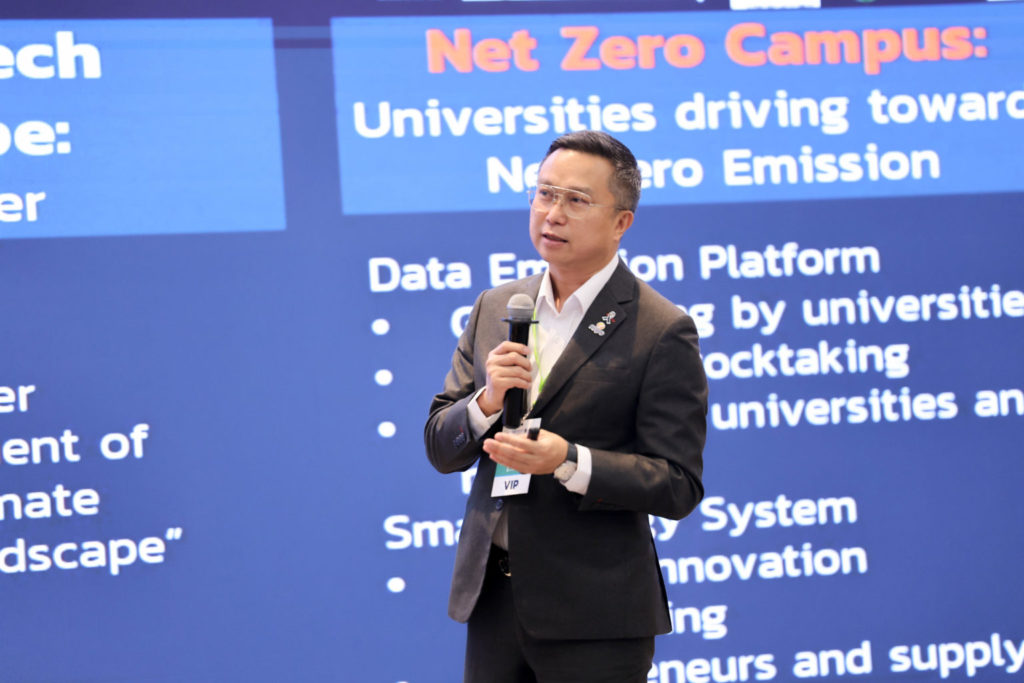
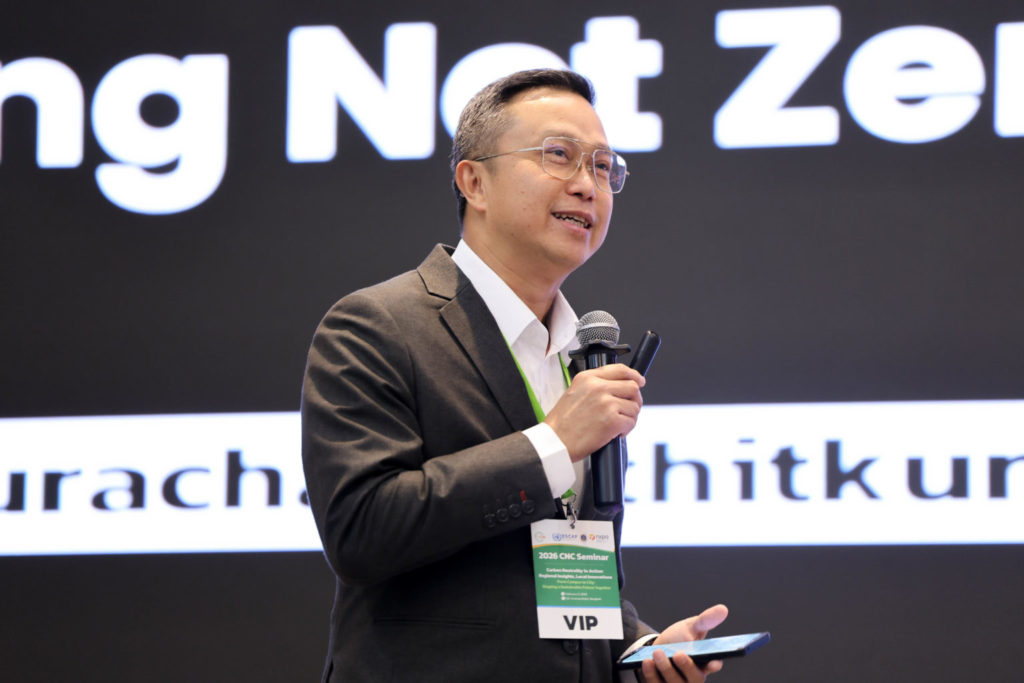
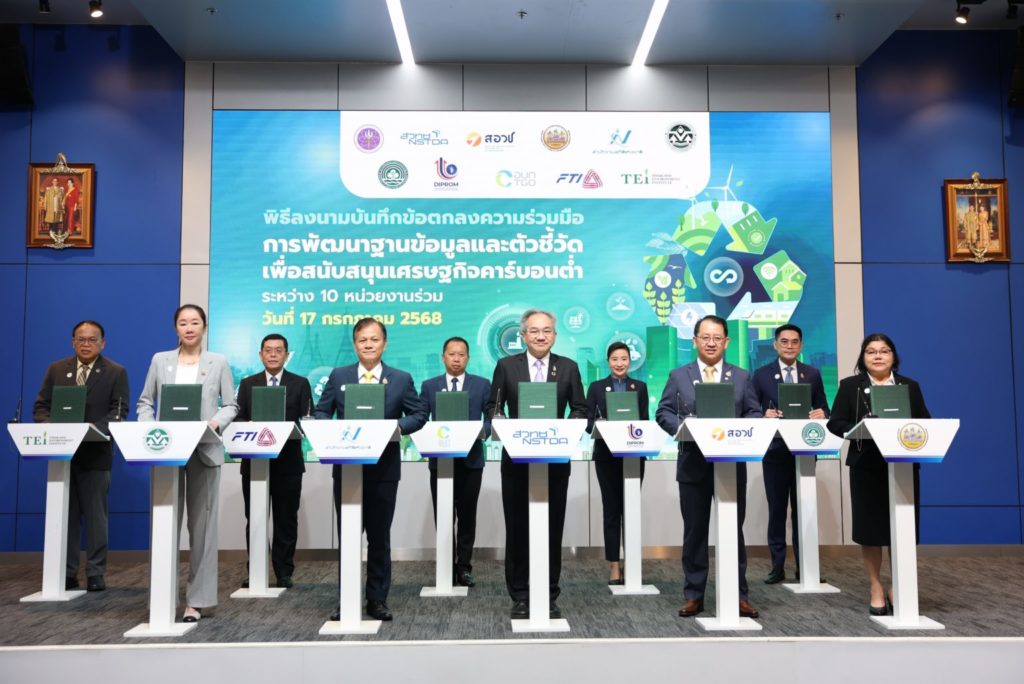

On the environmental front, over the past year NXPO has accelerated Thailand’s net zero transition by advancing the “Net Zero Campus” initiative in collaboration with the Council of University Presidents of Thailand. To date, 92 higher education institutions have joined, extending impact to at least 100 enterprises and communities and achieving reductions exceeding 1.5 million tons of CO₂ equivalent. NXPO also co-developed the Green Enterprise Indicator (GEI), a comprehensive framework guiding Thai enterprises in transitioning toward environmentally and socially responsible business practices across environmental, social, economic, and governance dimensions. Another flagship initiative, the “Saraburi Sandbox,” serves as a pilot model for a net-zero city. Through co-designing an innovation ecosystem with local stakeholders, the project has gained international recognition and will generate policy lessons to support circular economy development nationwide.
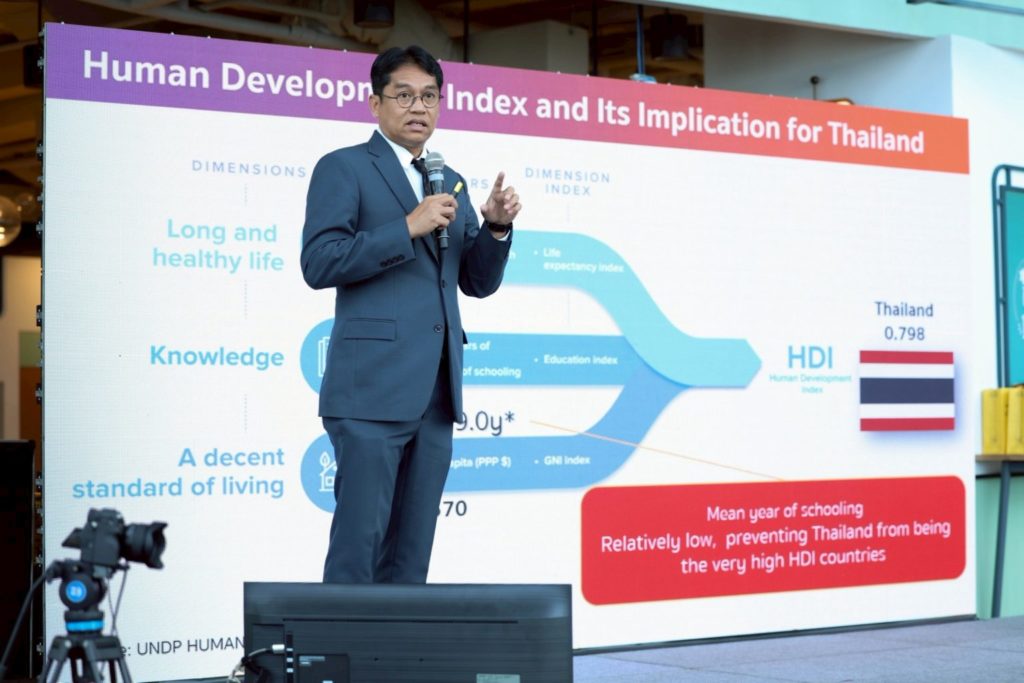
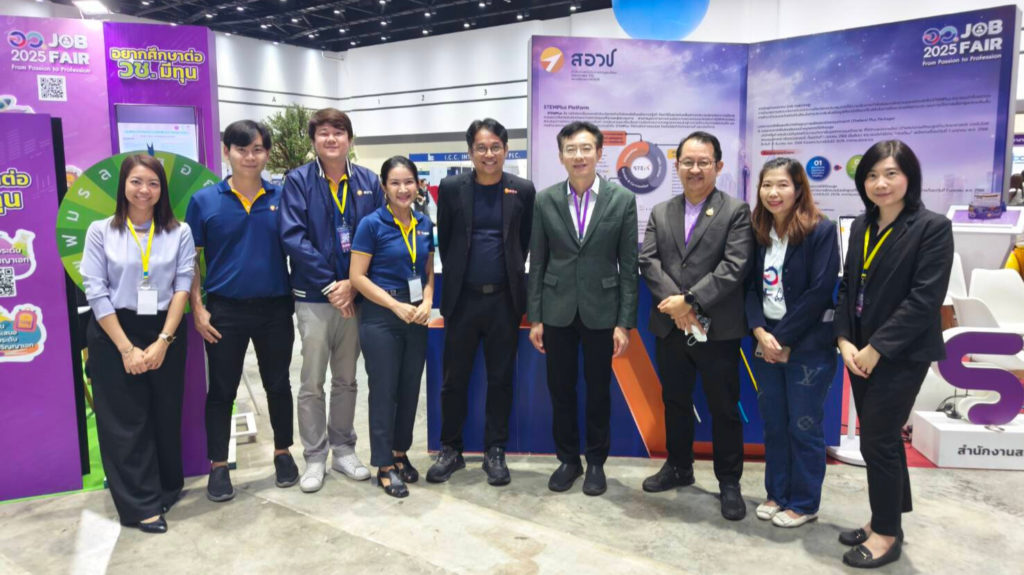
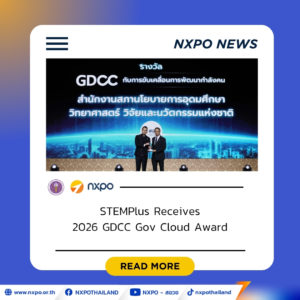
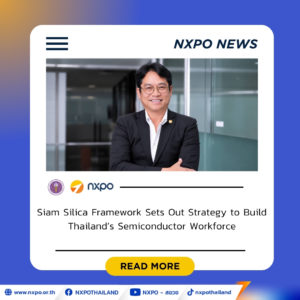
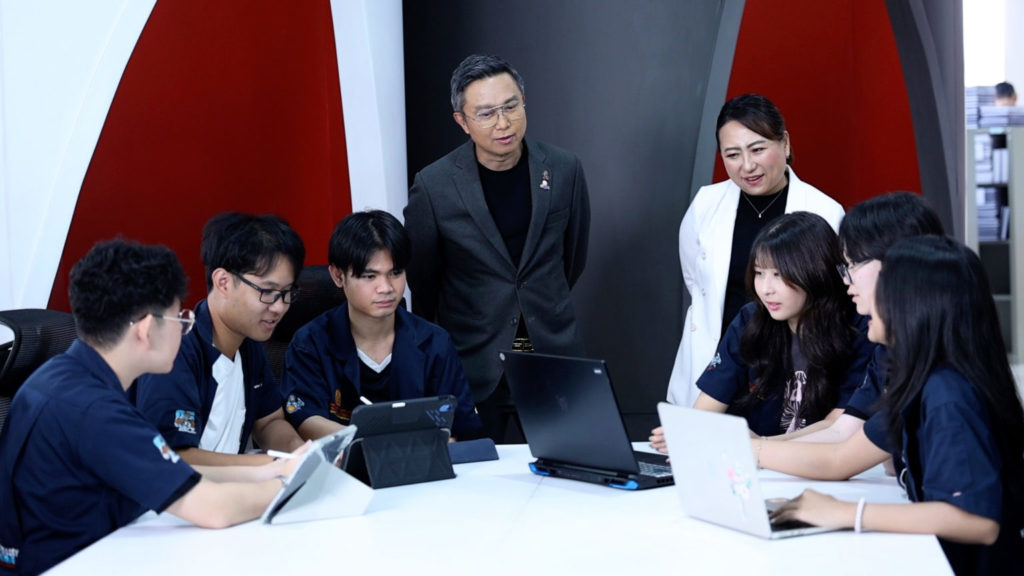
Regarding high-skilled workforce development, NXPO developed the Thailand Talent Landscape 2025–2029—a national workforce demand database analyzing labor needs across 10 targeted industries over the next five years. The study identifies high-demand occupations and critical skill sets to guide policy and investment. The STEMPlus platform was introduced to align workforce development with industry needs through work-integrated learning. To date, more than 13,000 new STEM positions have been created across 200 companies, and over 450,000 individuals have completed skills development programs. Under the Higher Education Sandbox mechanism, 24 innovative programs have been approved, expected to produce more than 26,620 high-skilled professionals. To support strategic industries, four National Semiconductor Training Centers have been established to develop industry-aligned talent and strengthen Thailand’s position in advanced electronics.
To strengthen the overall higher education and science system, NXPO has worked to remove legal constraints and draft legislation to establish a Higher Education Development Fund. At the same time, NXPO has evaluated the outcomes of system reform and improved the management systems of Program Management Units (PMUs) to increase flexibility and efficiency in allocating research and innovation funding in alignment with national strategies. International cooperation has also been strengthened to improve academic quality, strengthen research networks, and increase access to global infrastructure and funding.

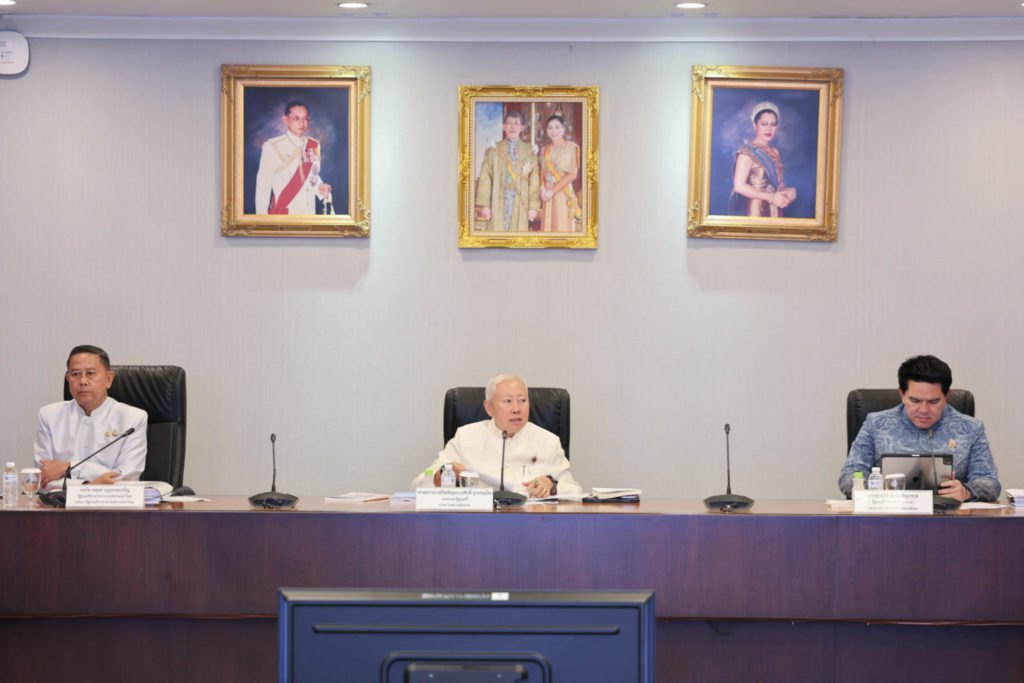
“Every policy is developed in collaboration with stakeholders to ensure relevance and tangible impact. Through close engagement with industry and government in sectors such as future food, synthetic biology, electric vehicles, semiconductors, and the creative economy, we are seeing clear signals that Thailand is transitioning from cost-driven growth to innovation-driven growth.”
These signals include a shift from cost competition toward value creation through innovation, increased private-sector investment in R&D as a strategic investment, and the evolution from project-based initiatives to integrated innovation ecosystems linking universities, research institutions, enterprises, startups, and government. Together, these trends indicate a structural transformation toward an innovation-based economy.
Looking ahead, NXPO is developing the Higher Education, Science, Research and Innovation Policy and Strategy 2028–2032, which will define clear missions, measurable targets, timelines, and strong multi-stakeholder participation.
Since 1 January 2026, the Research and Innovation Acceleration Agency for Competitiveness and Area Development has become operational. The agency enhances agility in translating research into commercial and societal applications, including co-investment in innovation-driven businesses. This mechanism aims to narrow the gap between research and industrial production while catalyzing greater private-sector R&D investment.
To further promote technology-based business development, NXPO will continue to support the sustainable growth of UHCs and upgrade research outputs to become investment-ready. In bioindustry development, efforts will include expanding the Positive List for food innovation, streamlining processes for future food registration, establishing research–industry consortia to transform agricultural commodities into high value products, and developing supporting infrastructure and workforce capacity. These efforts aim to position Thailand as a future food innovation hub.
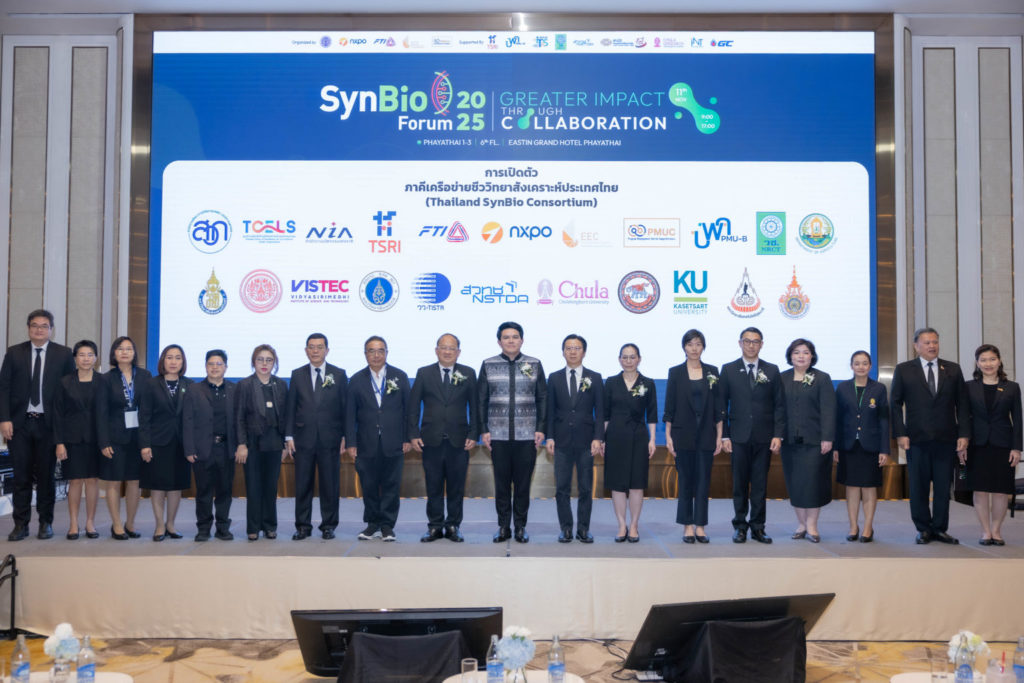
In the semiconductor industry, NXPO will pursue a strategic shift from downstream manufacturing to upstream technology leadership. This will be achieved through integrated collaboration networks spanning chip design, wafer fabrication, assembly, and testing. This strategy strengthens Thailand’s readiness to attract major global investments. Targeted research and development areas include photonics, power electronics, and advanced sensors, implemented through partnerships with leading international organizations to enhance technological capability and commercialization potential. Workforce and infrastructure development will also be prioritized, including upgrading laboratories and producing specialized personnel in collaboration with leading universities to meet long-term industry needs.
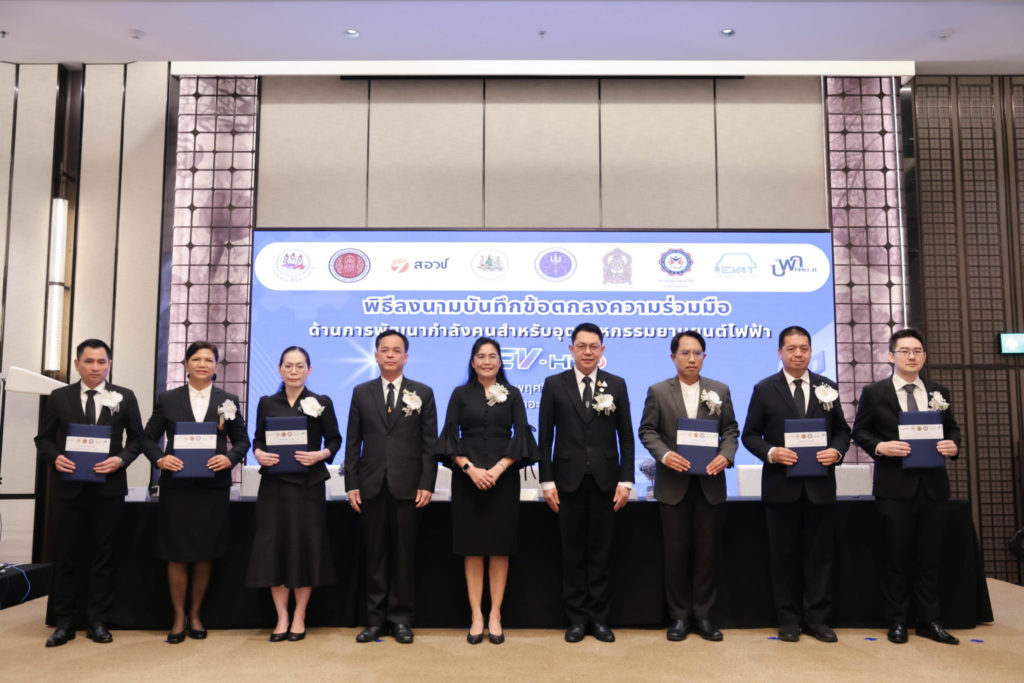
For the electric vehicle (EV) industry, NXPO will continue aligning policy, research, and industrial implementation to establish collaboration among government agencies, academic institutions, and the private sector. This will cover policy advancement, technology testing, and workforce development across battery systems, EV conversion, and rail technologies. In the drone industry, efforts will focus on advancing enabling technologies and regulatory frameworks to support testing, deployment, and commercialization.
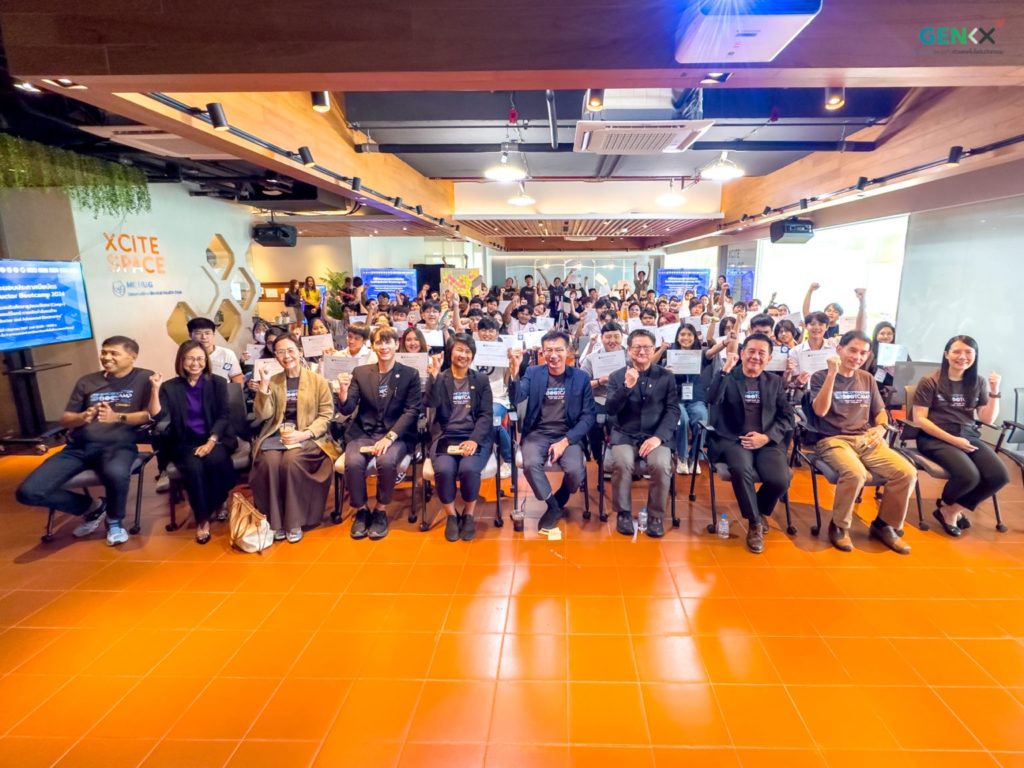
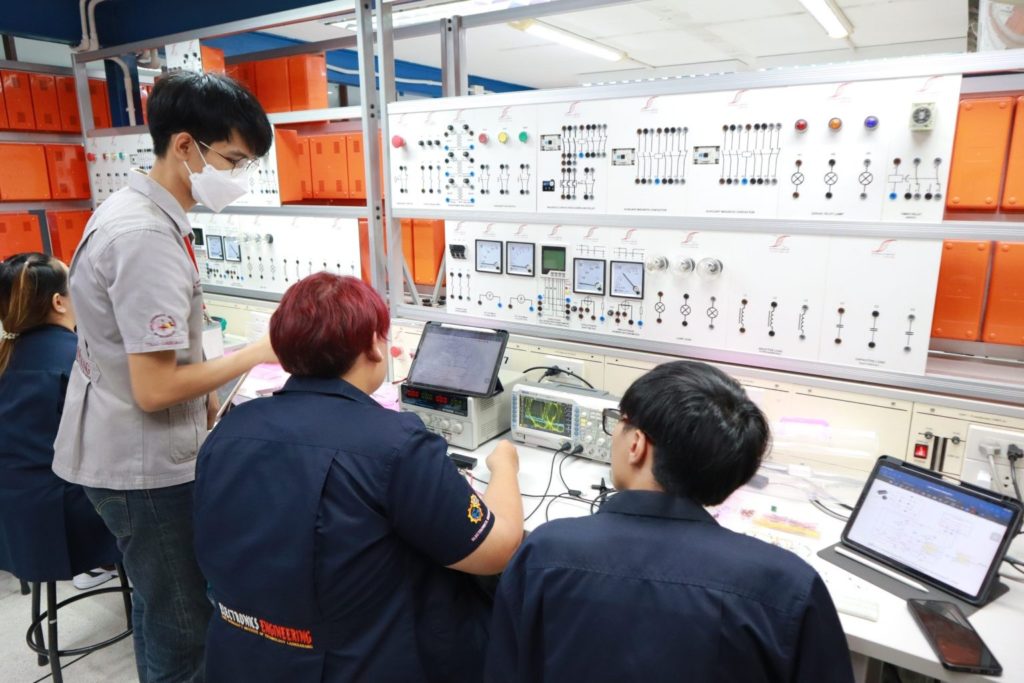
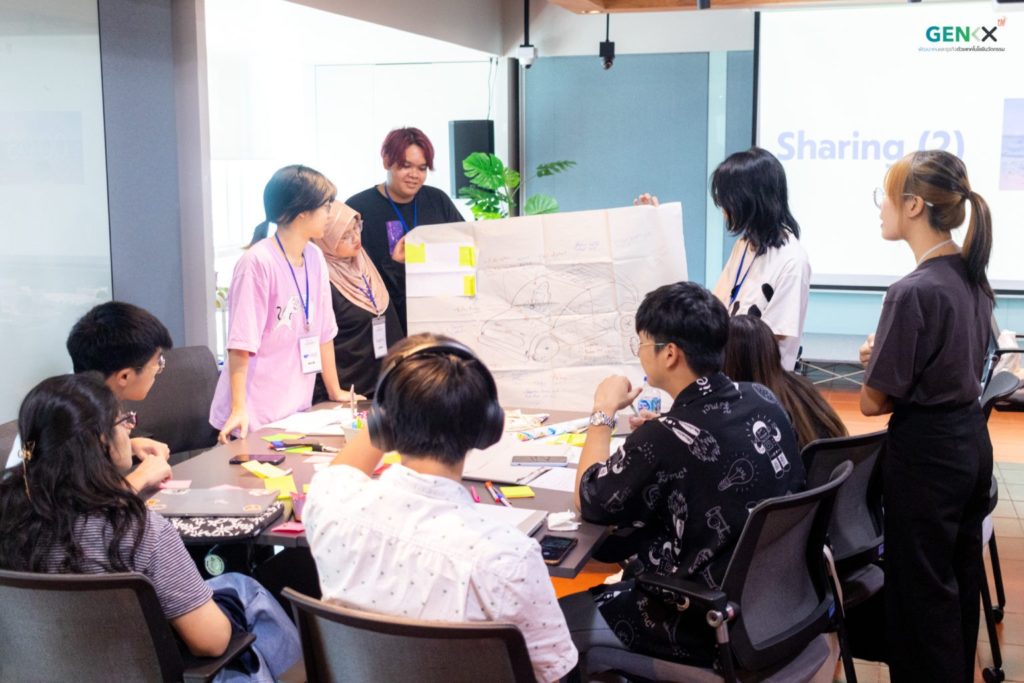
In human capital development, NXPO will design comprehensive workforce development programs across all dimensions, foster collaboration among government, academia, and industry, and expand partnerships with global institutions to close capability gaps in advanced technology sectors.
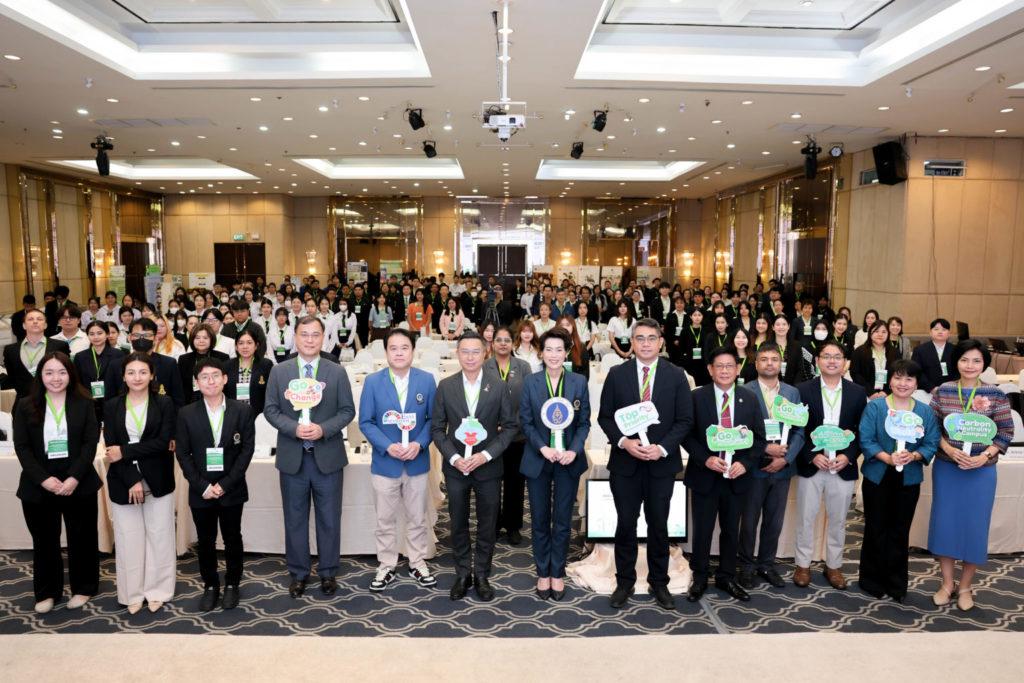
On climate change, the Net Zero Campus initiative will be elevated to a ministerial strategy under MHESI, engaging all 172 universities in the transition. Each institution will develop its own Net Zero Pathway. A national greenhouse gas reporting system will also be established. NXPO will also collaborate with government agencies to introduce incentive mechanisms promoting GEI adoption and accelerating green supply chain transformation across Thai enterprises.
Overall, NXPO remains firmly committed to strengthening the foundation of Thailand’s higher education, science, research, and innovation system to enable sustainable and inclusive growth. By systematically connecting universities, research institutions, industry, and area-based development through integrated policy mechanisms, NXPO aims to accelerate Thailand’s transition toward a knowledge- and innovation-driven economy—one that is competitive, resilient, and anchored in long-term sustainability.