On 30 September 2025, NXPO, in collaboration with King Mongkut’s Institute of Technology Ladkrabang (KMITL) and leading companies—Amazon Web Services (Thailand), Bangchak Corporation, Central Retail Corporation, Krungthai Bank, and VISUP—launched “The Reverse Innovation Journey.” This initiative aims to accelerate technology transfer and foster strategic collaboration between university-based startups and large corporations, delivering tangible technological and economic outcomes. The event was officially opened by Assoc. Prof. Dr. Komsan Maleesee, President of KMITL, and Dr. Surachai Sathitkunarat, President of NXPO.

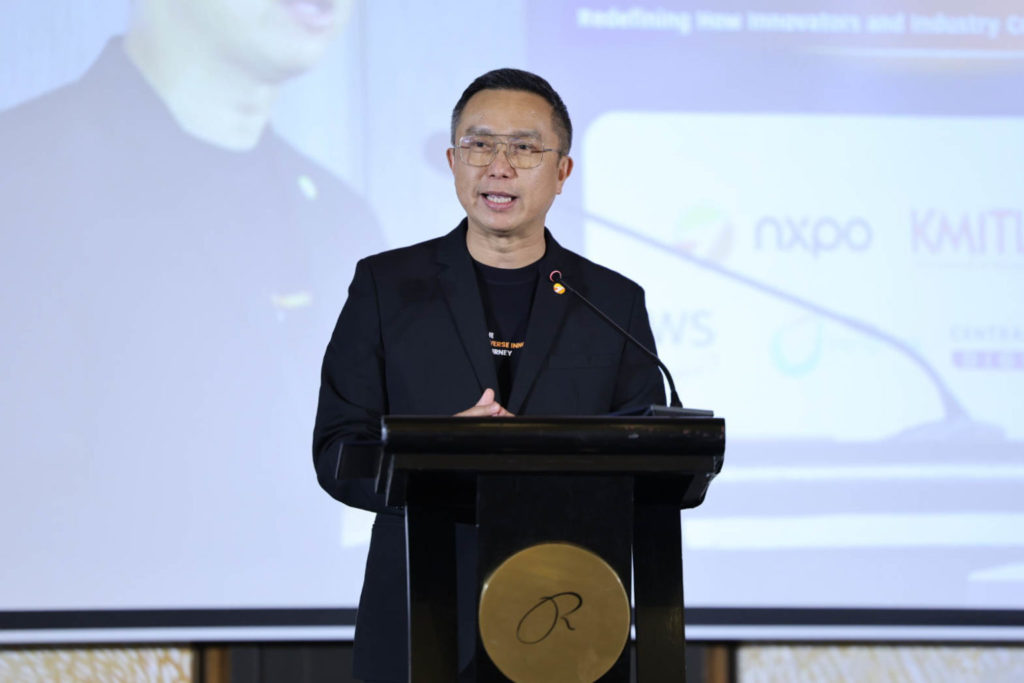
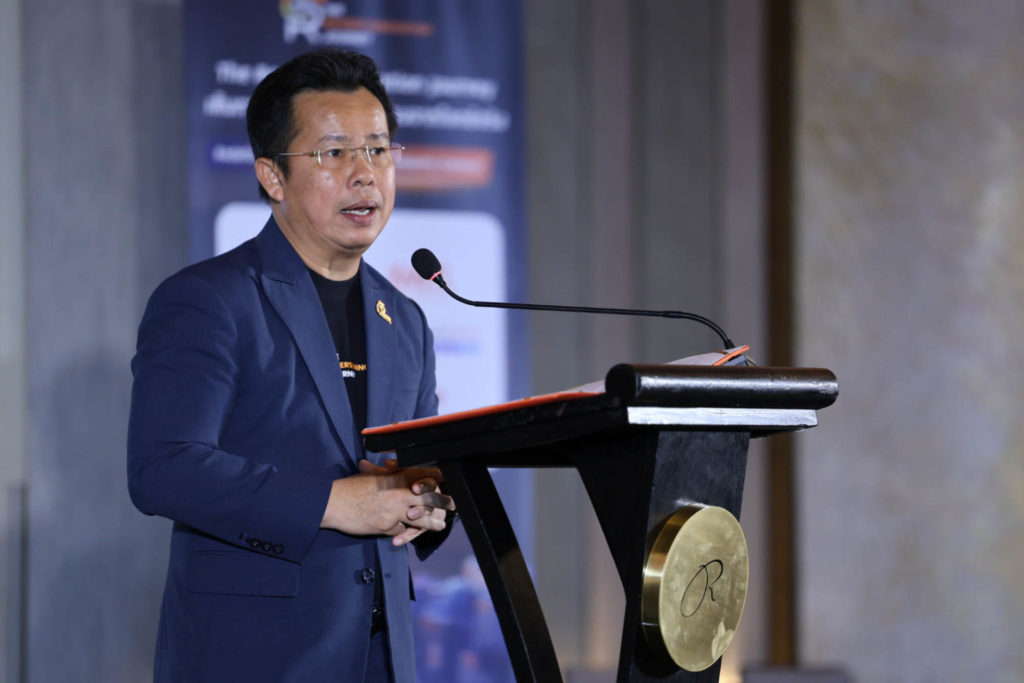
In his opening remarks, Dr. Surachai emphasized NXPO’s central role in policymaking and its mission to support measures and mechanisms that inform government priorities. NXPO’s mandate spans both higher education and science policies, including the promotion of startups in Thailand.
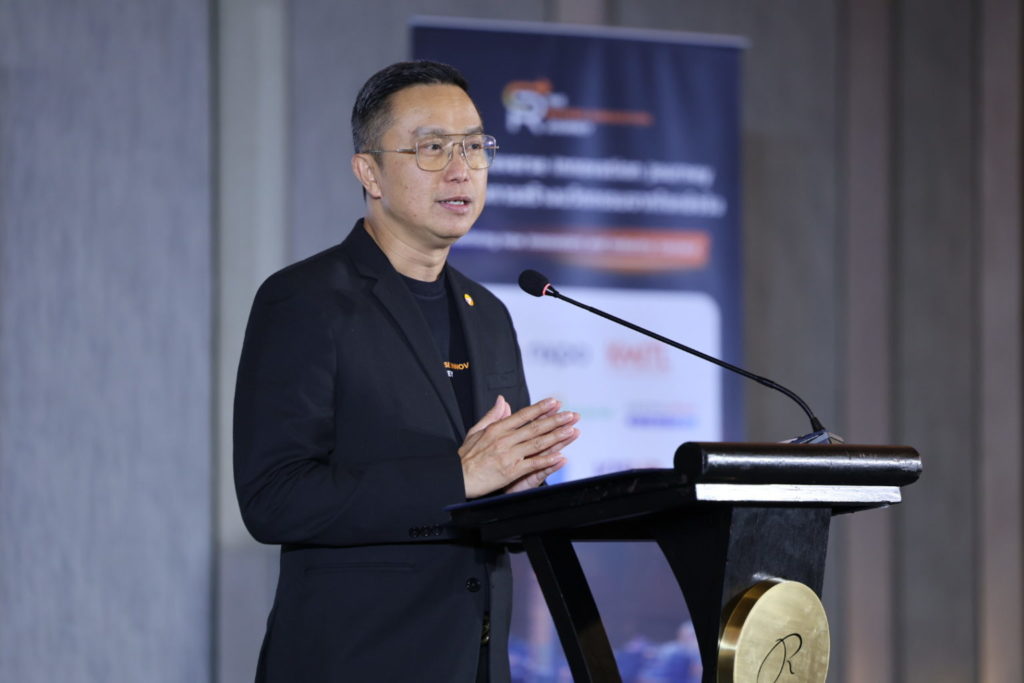
To this end, NXPO has developed a model that fosters collaboration between large corporations and university-based startups through activities such as Reverse Pitching and Collaborative Bootcamps. By engaging leading companies with strong influence on Thailand’s economy and innovation ecosystem, startups gain access to real business challenges, enabling them to develop targeted and impactful solutions.

The event also featured a panel discussion with representatives from NXPO, Amazon Web Services (Thailand), Bangchak Corporation, Central Retail Corporation, and Krungthai Bank. The session was moderated by Asst. Prof. Dr. Rutchanee Gullayanon from KMITL and Mr. Apiwat Thongprasert from VISUP.


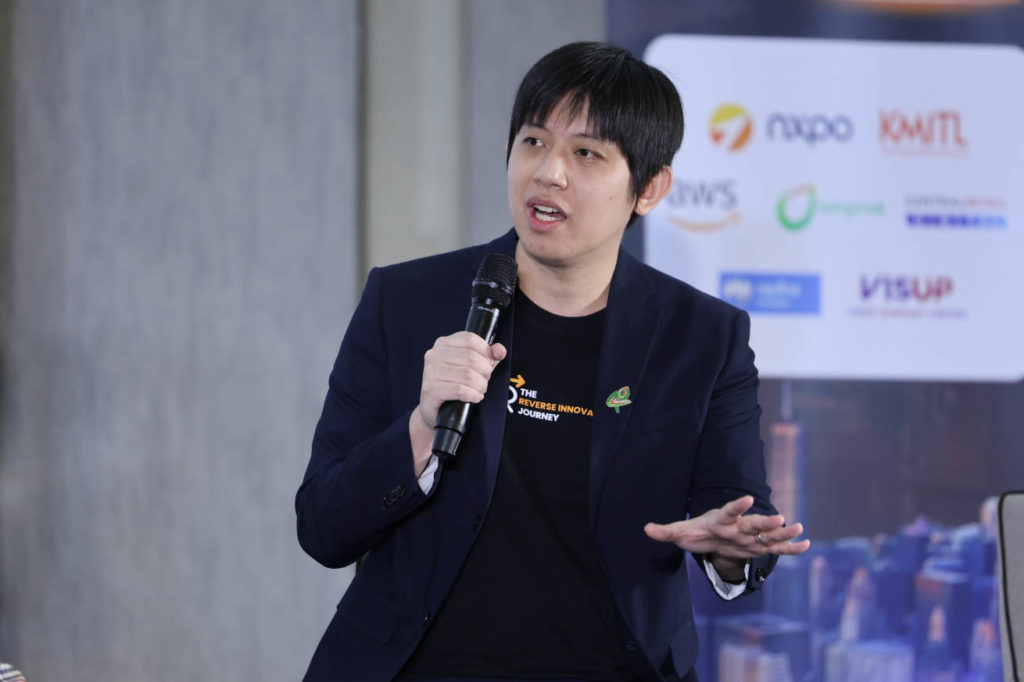


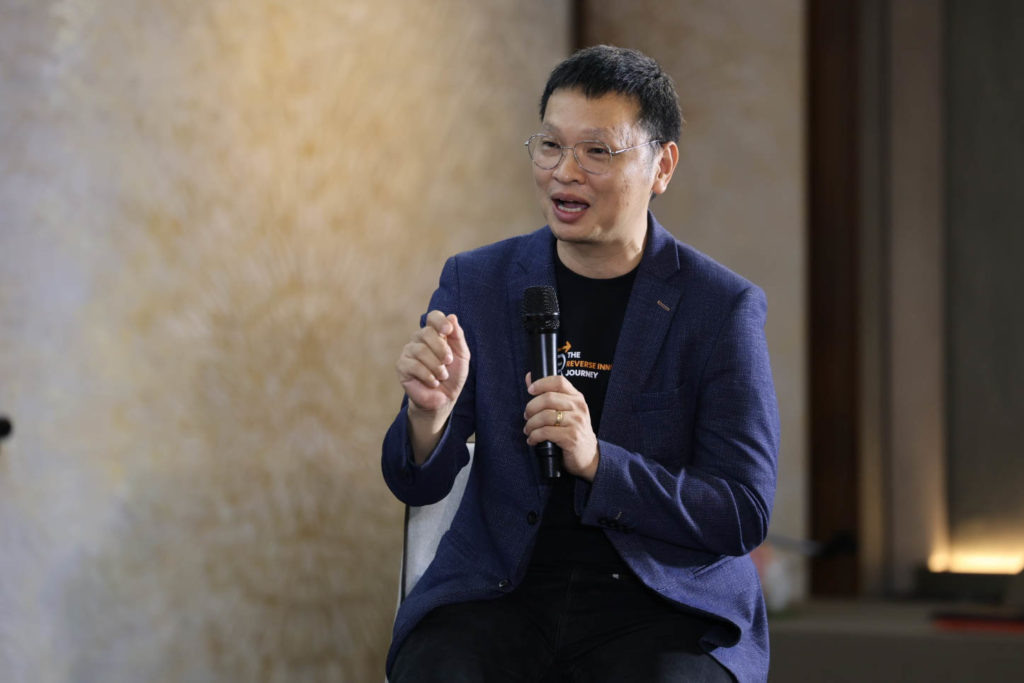
During the discussion, Ms. Manunya Chunhavuthiyanon, Director of Innovation Policy for Entrepreneurship Development at NXPO, underscored NXPO’s commitment to fostering collaboration between corporations and startups. She noted that while large companies bring resources, industry expertise, and market access, startups offer agility, creativity, and new technologies—together accelerating innovation.

She further explained that NXPO’s research found universities to be the most effective intermediaries for such collaboration, given their knowledge base, research capacity, and incubated startups with high potential. Many universities also operate holding companies, which help bridge resources and partnerships with the private sector. Reverse Pitching, in particular, provides a valuable mechanism where corporations present real business challenges and startups respond with innovative, practical solutions. This approach aligns with Thailand’s strategy of translating research into applications and driving the growth of innovation-driven enterprises.
“Through this collaboration, we want all parties to benefit—large companies gain solutions to strengthen their businesses, startups grow with the support of both corporations and universities, universities maximize the value of their research and resources, and NXPO secures a proven policy tool that connects large companies and startups to create real impact,” said Ms. Manunya.
She concluded by noting that lessons and insights drawn from this initiative will be used to expand the model into other mechanisms, reinforcing Thailand’s ability to develop innovations that address industry needs.